
A used car can look appealing and still have a complicated past. One history worth investigating is a lemon law buyback: a vehicle a manufacturer previously repurchased because of a warranty-related problem.
A buyback is not automatically unsafe, and its history does not by itself establish that the seller broke the law. But understanding why the vehicle was returned, what repairs were made, and what warranty protection remains can help you make an informed decision.
Disclosure and lemon-law rules vary by state. Here are practical questions to ask before you buy, and steps to consider if you learn about a buyback afterward.
What is a lemon law buyback?
Generally, a lemon law buyback is a vehicle a manufacturer reacquired following a consumer’s warranty complaint. The details matter: the reason for the repurchase, the law involved, the vehicle’s title history, and any repairs can differ from one car to another.
A previously repurchased vehicle may be resold. For example, the California Department of Motor Vehicles explains that a vehicle returned under applicable consumer warranty laws can be sold again as a used vehicle, subject to applicable branding and disclosure requirements.
A repurchase also does not tell you, by itself, whether the original problem still exists. Ask for the records and have the vehicle independently inspected.
Check the vehicle’s title and history
Ask the seller for the vehicle identification number, or VIN, and use it to obtain a vehicle history report. The Federal Trade Commission recommends checking the National Motor Vehicle Title Information System through an approved report provider for title, insurance-loss, and salvage information. A provider may charge a fee.
Look for title brands or other entries suggesting a manufacturer repurchase or warranty return. Compare the report with the seller’s disclosures and the vehicle’s records. Ask questions about gaps, inconsistencies, or a history in multiple states.
A clean-looking report is not proof that a car has never had a serious problem. Reports depend on available information, and a vehicle history report is not a substitute for a mechanical inspection. Different providers may have different information.
Ask why the car was returned and what was repaired
Before agreeing to buy, ask the seller for written answers to questions such as:
- What defect or condition led to the repurchase?
- What repair attempts were made, and when?
- Is there documentation showing the most recent diagnosis and repair?
- What warranty coverage, if any, applies to me as the next owner?
Request copies of available repair orders, repurchase disclosures, warranty documents, and the current title information. Review them before signing. If the seller cannot provide records, consider that uncertainty when deciding whether to proceed.
California example: Title branding and disclosures
California’s DMV describes requirements for certain vehicles reacquired by a manufacturer because of a specific warranty defect, including a “Lemon Law Buyback” title brand. Its guidance also describes written disclosures concerning the reported nonconformities and attempted repairs, as well as a signed disclosure requirement for dealers selling certain known returned vehicles. The details and scope are explained in the California DMV’s buyback guidance.
That is a California example, not a nationwide rule. Other states may use different terms, coverage, or disclosure procedures.
Pay for an independent inspection
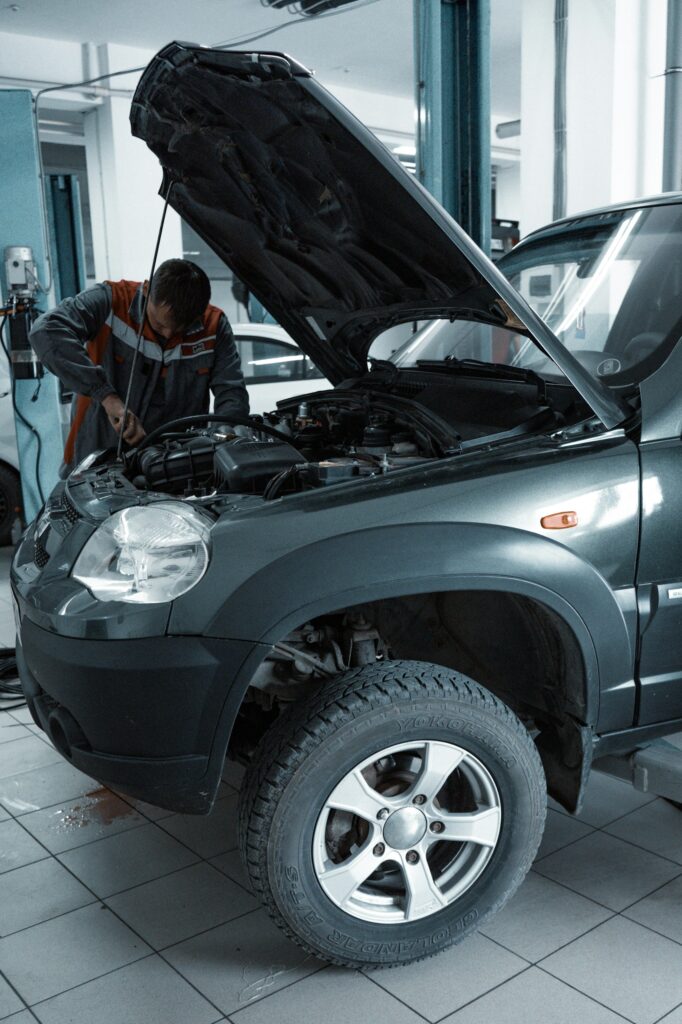
Arrange for a qualified mechanic or inspection service you choose to examine the vehicle before purchase. Give the inspector any available information about the original complaint and ask for a written report. Depending on the problem, a specialist may be appropriate.
The FTC recommends an independent inspection even when a dealer has inspected or certified the vehicle. A history report may not identify mechanical problems, and a routine safety inspection is not the same as a thorough mechanical inspection.
If the seller will not permit an independent inspection, consider whether you are comfortable proceeding without one.
Read the warranty before signing
For a used car sold by a dealer, review the Buyers Guide and the actual warranty documents. The guide indicates whether the dealer is offering a warranty or selling the vehicle “as is,” where an as-is sale is permitted. Confirm which components are covered, how long coverage lasts, who performs repairs, and whether any manufacturer warranty transfers to you.
Do not assume a service contract is the same thing as a warranty or that every repair will be covered. Ask for promises in writing and keep the final signed documents. The FTC’s used-car guide explains how to review dealer warranty and inspection information.
State protections can differ substantially. For example, New York’s used-car lemon law requires a written dealer warranty for vehicles that meet specified eligibility conditions. Whether a particular vehicle qualifies depends on the law and the facts.
What if you already bought the car?
If you discover a prior buyback after the sale, start by gathering the information rather than assuming the history alone proves a violation.
- Preserve your records. Keep the advertisement, screenshots, history reports, Buyers Guide, sales contract, title paperwork, disclosures, messages, and repair orders.
- Ask for an explanation in writing. Request the vehicle’s repurchase and repair records and any disclosures the seller says were provided.
- Document current problems. Report warranty concerns promptly using the instructions in the warranty, and retain copies of each complaint and service visit.
- Check your state’s rules. Your state attorney general, motor-vehicle agency, or consumer protection office may have relevant guidance or a complaint process.
- Consider legal advice. A qualified attorney can review the documents, applicable deadlines, and possible remedies. Do not assume that a refund or other outcome is guaranteed.
If you are financing the car, the sale dispute and the loan are separate matters. Before changing your payments or signing a release, seek advice about the potential consequences.
The bottom line
A prior lemon law buyback is a reason to investigate, not a shortcut to a conclusion. Review the vehicle’s history and written disclosures, obtain an independent inspection, and understand the warranty before deciding whether the car is right for you.
This article is for general informational purposes only and is not legal advice. Laws vary by jurisdiction and facts. Consult a qualified attorney in your state about your specific situation.
Authoritative sources