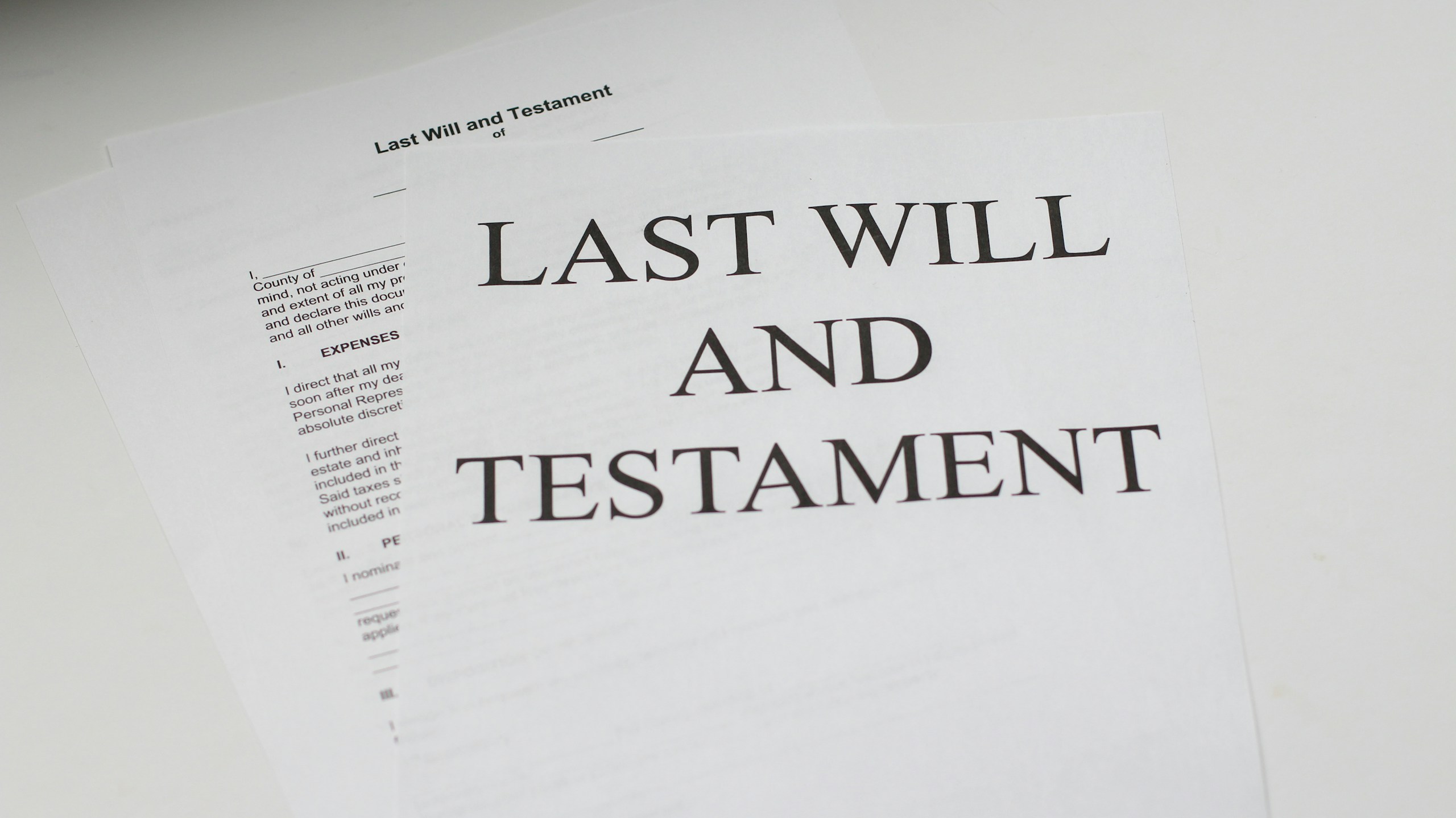
A Will Is an Important First Step—But for Many Families, It Isn’t the Last Step They Should Take
“I Have a Will. I’m Covered.”
As an estate planning attorney, this is one of the most common statements I hear.
Many people believe that once they’ve signed a simple will, they’ve checked estate planning off their to-do list forever.
For some individuals, that’s true.
For many others, it isn’t.
A will is one of the most important legal documents you can have, but it’s often misunderstood. People frequently assume a will avoids probate, protects assets from creditors, provides for loved ones with special needs, or keeps family matters private. In reality, a will alone often doesn’t accomplish those goals.
That doesn’t mean a will is bad—it simply means it may not be enough for your particular situation.
If any of the following five situations describe you, relying solely on a basic will could leave your family facing unnecessary legal expenses, delays, taxes, or conflict.
First, What Does a Will Actually Do?
A will is a legal document that generally allows you to:
- Decide who receives your property after your death.
- Name an executor to administer your estate.
- Nominate a guardian for minor children.
- Express your final wishes.
A properly drafted will is an essential part of almost every estate plan.
However, a will generally does not:
- Avoid probate.
- Manage your assets if you become incapacitated.
- Protect inheritances from beneficiaries’ creditors.
- Prevent disputes among family members.
- Coordinate complex estate planning strategies.
Those goals often require additional planning.
Situation #1: You Own a Home (or Other Real Estate)
For many families, their home is their largest asset.
If your only estate planning document is a will, your home will often become part of your probate estate.
Probate isn’t necessarily something to fear, but it can involve:
- Court filings
- Waiting periods
- Legal expenses
- Executor responsibilities
- Public records
If you own:
- A primary residence
- Vacation property
- Rental property
- Commercial real estate
you may want to discuss whether a revocable living trust makes sense for your situation.
A properly funded trust can often simplify the transfer of real estate after death and may help avoid probate for trust-owned property.
Situation #2: You Have Young Children
Parents often believe that naming a guardian in a will completes their planning.
Naming a guardian is critically important.
But that’s only part of the picture.
Suppose both parents die while their children are still minors.
Questions quickly arise:
- Who manages the inheritance?
- At what age should children receive money?
- Can funds be used for education?
- What if a child has special needs?
- What if a child struggles financially later in life?
A simple will may leave assets outright to children once they reach the age specified by state law or the terms of the will.
Many parents prefer greater flexibility.
Trusts can allow funds to be used for:
- Education
- Health care
- Living expenses
- Emergencies
- Buying a first home
while delaying full distributions until beneficiaries reach a level of maturity the parents believe is appropriate.
Situation #3: You Have a Blended Family
Second marriages often create some of the most challenging estate planning situations.
Imagine this common scenario:
You want to:
- Protect your current spouse.
- Ensure your children from a previous marriage ultimately inherit your assets.
A simple will may not accomplish both goals.
For example:
If everything passes outright to your surviving spouse, your spouse generally becomes the owner of those assets.
Later:
- The spouse may remarry.
- The spouse may revise his or her own estate plan.
- Assets may ultimately pass to different beneficiaries than originally intended.
That outcome may be completely appropriate—or completely contrary to your wishes.
Trust-based planning often provides significantly greater flexibility for blended families.
Situation #4: You Own a Business
Business owners often require planning that extends far beyond a simple will.
Questions include:
- Who will operate the business?
- Who inherits ownership?
- What happens if you’re incapacitated?
- Will surviving family members have authority to make decisions?
- Is there a succession plan?
Without proper planning, your business may experience:
- Operational delays
- Ownership disputes
- Banking complications
- Contract issues
- Employee uncertainty
Business succession planning frequently involves trusts, operating agreements, buy-sell agreements, and coordinated estate planning.
Situation #5: You Want to Avoid Probate or Maintain Privacy
Many people assume a will avoids probate.
Ironically, a will often serves as the roadmap for the probate process.
In many states, probate filings become public records.
That means information regarding:
- Assets
- Beneficiaries
- Executors
- Creditors
may become publicly available.
Some families prefer greater privacy.
A properly funded revocable living trust generally allows trust assets to pass outside the probate process, keeping many aspects of the estate administration private.
What About Incapacity?
One of the biggest limitations of relying solely on a will is that a will generally becomes effective only after death.
It doesn’t help if you’re alive but unable to manage your affairs because of:
- Dementia
- Alzheimer’s disease
- Stroke
- Serious accident
- Extended hospitalization
Comprehensive estate planning typically includes:
- Durable financial power of attorney
- Health care power of attorney
- Living will
- HIPAA authorization
- Revocable living trust (when appropriate)
These documents help ensure someone you trust can assist with financial and medical decisions if you’re unable to do so yourself.
Estate Planning Is About More Than Taxes
Many people associate estate planning exclusively with federal estate taxes.
While tax planning can be important for larger estates, most families today benefit from estate planning for entirely different reasons:
- Simplifying administration
- Avoiding family conflict
- Protecting children
- Planning for incapacity
- Maintaining privacy
- Coordinating beneficiary designations
- Protecting assets
Estate planning isn’t only about how much you own.
It’s about how you want your affairs handled.
Common Mistakes People Make
Assuming Everything Automatically Goes to Their Spouse
While spouses often inherit significant portions of an estate, state laws vary, and relying solely on default rules may not accomplish your goals.
Forgetting Beneficiary Designations
Retirement accounts, life insurance policies, and payable-on-death accounts often pass according to beneficiary designations—not your will.
Failing to update those designations can create unintended results.
Never Updating Their Plan
Estate plans should evolve as life changes.
Events that often warrant a review include:
- Marriage
- Divorce
- Birth of a child
- Death of a beneficiary
- Purchasing a home
- Starting a business
- Retirement
- Significant changes in wealth
Believing Estate Planning Is Finished Forever
Estate planning isn’t a one-time event.
Think of it as an ongoing process that should grow with your family.
Do You Need a Trust?
Not necessarily.
Some individuals truly need only:
- A properly drafted will
- Financial power of attorney
- Health care power of attorney
- Living will
Others benefit tremendously from adding a revocable living trust.
The right answer depends upon your:
- Family
- Assets
- Goals
- Long-term planning priorities
There is no universal solution.
Frequently Asked Questions
Is a will better than having no estate plan?
Absolutely.
A properly drafted will is far better than leaving your estate entirely to state intestacy laws.
Does everyone need a trust?
No.
Trusts are valuable tools, but they aren’t appropriate for every family.
Can I update my estate plan later?
Yes.
Most estate plans should be reviewed every few years or after significant life changes.
What happens if I become incapacitated?
Without appropriate incapacity planning documents, your loved ones may need to seek court involvement before managing certain financial or medical matters.
How often should I review my estate plan?
A review every three to five years—or after major life events—is generally a good practice.
Final Thoughts
A simple will is one of the most important documents you can have, but it isn’t always enough to accomplish everything today’s families hope to achieve. As your life becomes more complex—whether through homeownership, raising children, owning a business, entering a second marriage, or building wealth—your estate plan should become more sophisticated as well.
The goal of estate planning isn’t simply deciding who receives your property. It’s creating a thoughtful roadmap that protects your loved ones, minimizes unnecessary delays and expenses, prepares for incapacity, and reflects your family’s unique circumstances.
The good news is that you don’t have to figure it out alone. An experienced estate planning attorney can help you understand whether a simple will meets your needs or whether additional planning tools—such as a revocable living trust, powers of attorney, or specialized trusts—would better protect your family and your legacy.
The best estate plan isn’t the most complicated one. It’s the one that’s designed specifically for your life, your family, and your goals.