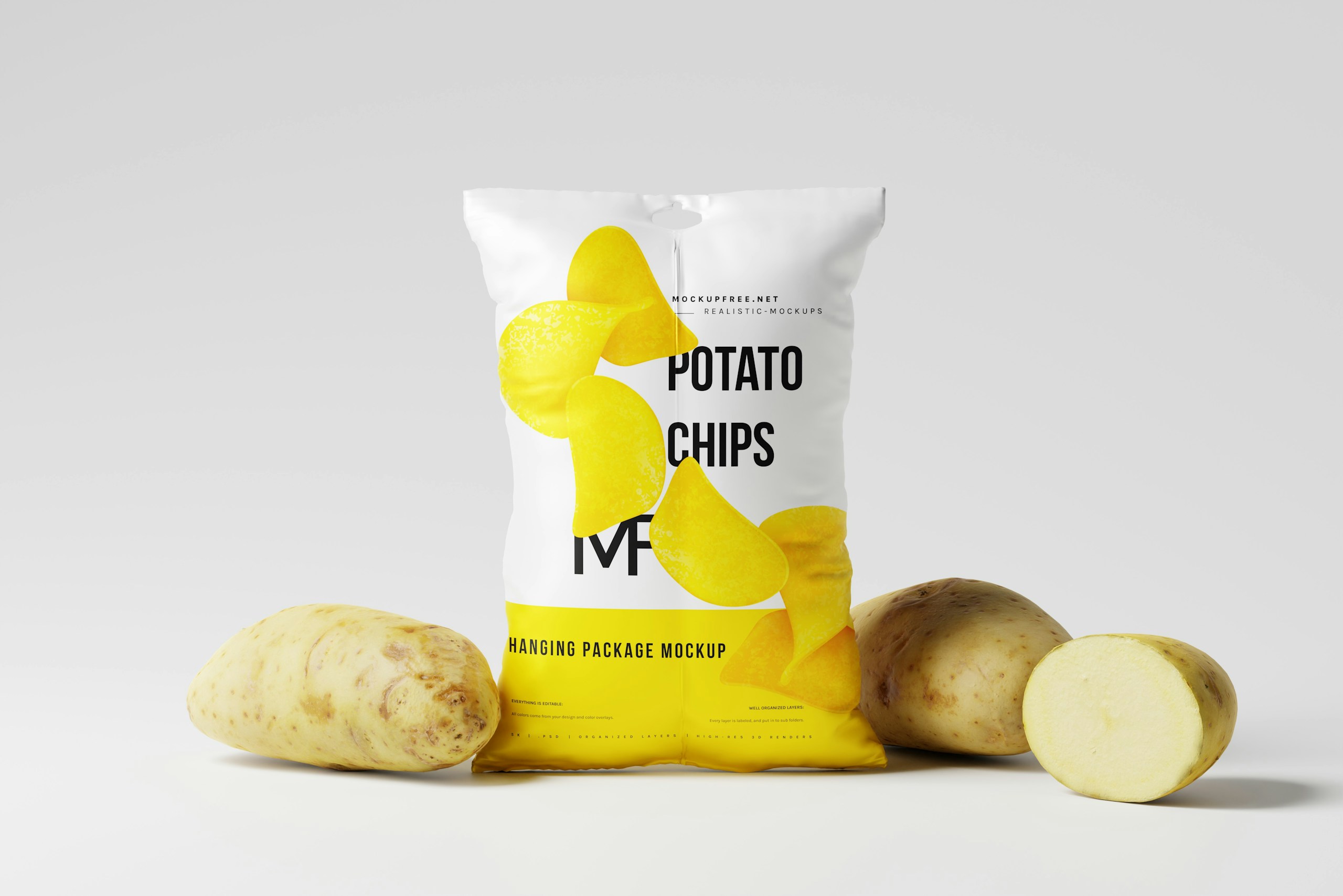
Few shopping experiences are as frustrating as opening a bag of potato chips, popcorn, pretzels, or candy only to discover that nearly half the package appears to be empty. Consumers often joke that they paid for “a bag of air with a few chips thrown in,” but in some cases, that frustration has led to lawsuits alleging deceptive packaging practices known as slack fill.
While not every partially filled package violates the law, manufacturers cannot simply use oversized packaging to make consumers believe they are receiving more product than they actually are. Federal and state laws regulate packaging, and companies that use misleading containers may face legal challenges from consumers and regulators alike.
So what exactly is slack fill, when is it legal, and when might it cross the line into deceptive marketing?
What Is Slack Fill?
Slack fill refers to the empty space inside a package that is not occupied by the product.
Anyone who has purchased products like:
- Potato chips
- Tortilla chips
- Popcorn
- Crackers
- Candy
- Cookies
- Cereal
- Coffee
- Frozen foods
- Snack mixes
has likely noticed slack fill.
The key legal question is not whether a package contains empty space. Instead, the question is why the empty space exists.
Not All Empty Space Is Illegal
Many consumers assume that every half-empty package is automatically deceptive.
That is not true.
Federal regulations recognize that some empty space is both necessary and unavoidable.
Legitimate reasons for slack fill include:
Product Protection
Potato chips are fragile.
Without some air inside the package, chips would likely arrive as crumbs by the time they reached store shelves.
The air acts as a cushion during shipping and transportation.
Machinery Requirements
Manufacturing equipment often requires a certain amount of empty space to properly seal packages during production.
Product Settling
Some foods naturally settle during shipping.
Granola, cereal, shredded cheese, and snack mixes may occupy less space after transportation than they did when initially packaged.
Functional Packaging
Certain products require additional room for dispensing, mixing, or protecting the contents.
In these situations, slack fill may serve a legitimate purpose.
What Is “Nonfunctional Slack Fill”?
Problems arise when the empty space serves no legitimate purpose and instead creates a misleading impression about the amount of product being sold.
Federal law generally prohibits what is known as nonfunctional slack fill—empty space that is unnecessary and likely to mislead consumers.
For example, if two bags appear identical in size but one contains substantially less product without any functional reason for the difference, consumers may reasonably argue that the packaging is deceptive.
Why Package Size Matters
Consumers often rely on visual impressions when shopping.
Imagine two bags of chips displayed side by side.
One appears significantly larger.
Without carefully examining the weight printed on the label, many shoppers naturally assume the larger bag contains more food.
Packaging influences purchasing decisions.
Companies invest enormous resources into package design because they understand that consumers often make buying decisions within seconds.
Oversized containers can create an impression of greater value, even when the actual quantity of food remains relatively small.
The Net Weight Is Still Important
Manufacturers often defend slack fill lawsuits by pointing out that the package accurately states the net weight.
And they’re correct—net weight disclosures are important.
Every packaged food sold in the United States generally must disclose how much product it contains.
However, courts have recognized that simply printing an accurate weight on the package does not necessarily eliminate every claim of deceptive packaging.
Consumer protection laws often evaluate the overall impression created by the packaging.
If the size of the container materially misleads reasonable consumers, the presence of an accurate weight disclosure may not always resolve the issue.
Each case depends on its specific facts.
Common Products That Have Been Challenged
Over the years, slack fill lawsuits have involved a wide variety of products, including:
- Potato chips
- Tortilla chips
- Candy boxes
- Raisins
- Pasta
- Macaroni and cheese
- Coffee containers
- Protein powders
- Snack crackers
- Cookies
- Frozen foods
- Cosmetics
- Dietary supplements
Some cases have resulted in settlements, while others have been dismissed because courts concluded the packaging served legitimate purposes or that reasonable consumers would not have been misled.
How Courts Evaluate Slack Fill Claims
There is no single rule that determines whether packaging is deceptive.
Instead, courts often consider questions such as:
- Is the empty space necessary?
- Could a smaller package reasonably have been used?
- Does the package accurately disclose the net quantity?
- Would a reasonable consumer likely be misled?
- Does the packaging create a false impression of value?
- Are there legitimate manufacturing or product-protection reasons for the empty space?
Because these questions are highly fact-specific, different courts sometimes reach different conclusions involving similar products.
Why Consumers Continue to File Lawsuits
Although some slack fill cases are unsuccessful, others have resulted in manufacturers changing their packaging or agreeing to settlements.
Consumers argue that misleading package sizes affect purchasing decisions by:
- Making products appear larger
- Making products appear to contain more servings
- Creating inaccurate value comparisons
- Encouraging impulse purchases
- Making price comparisons more difficult
Even small differences can matter when multiplied across millions of purchases nationwide.
Tips for Consumers
While companies should market products honestly, consumers can also take steps to make informed purchasing decisions.
Compare Net Weight
Rather than relying solely on package size, compare the actual weight printed on the label.
Compare Unit Pricing
Many grocery stores display unit prices, such as price per ounce.
This can provide a much more accurate comparison than package size alone.
Don’t Assume Bigger Means More
A larger package may simply contain more air.
Always compare both the quantity and the price.
Read Serving Information
Some packages appear large but contain surprisingly few servings.
Review the Nutrition Facts panel to understand what you’re actually buying.
Packaging Transparency Benefits Everyone
Clear and accurate packaging benefits both consumers and businesses.
Consumers can:
- Make informed purchasing decisions.
- Compare competing products fairly.
- Feel confident about the value they receive.
Honest businesses also benefit because they compete based on product quality and price rather than potentially misleading packaging.
Transparency builds trust, and trust encourages repeat customers.
What If You Believe Packaging Is Misleading?
If you believe a product’s packaging is deceptive:
- Save the packaging.
- Keep your receipt.
- Photograph the product before opening it.
- Compare the stated weight with similar products.
- Report concerns to the manufacturer or appropriate consumer protection agencies if warranted.
If many consumers experience the same issue, attorneys may investigate whether the packaging violates applicable consumer protection laws or federal labeling requirements.
Final Thoughts
Not every bag of chips that appears half empty is the result of deceptive packaging. In many cases, empty space serves important functions, such as protecting fragile contents during shipping or accommodating manufacturing processes. However, when oversized packaging serves no legitimate purpose and creates a misleading impression about the amount of product inside, consumers may have valid concerns.
The next time you reach for a snack and feel disappointed by how little product is inside, take a closer look. Compare the net weight, review the unit price, and consider whether the package accurately reflects what you’re purchasing. While a little air may be necessary to protect your chips, consumers should never have to pay for empty space that exists only to create the illusion of getting more than they actually receive.
Consumer protection laws are designed to promote honesty and transparency in the marketplace. Understanding how slack fill works helps shoppers make informed decisions and encourages manufacturers to compete fairly by accurately representing the products they sell.