Vehicle fires represent one of the most serious safety hazards consumers can face. When manufacturers discover defects capable of causing a vehicle to ignite, recalls often follow. However, many consumers do not realize that a recall is only one part of the legal landscape.
If your vehicle has been recalled because of a fire risk, you may have important rights under state and federal law.
Why Vehicle Fire Defects Are Different
Many recalls involve minor issues such as software updates or labeling errors.
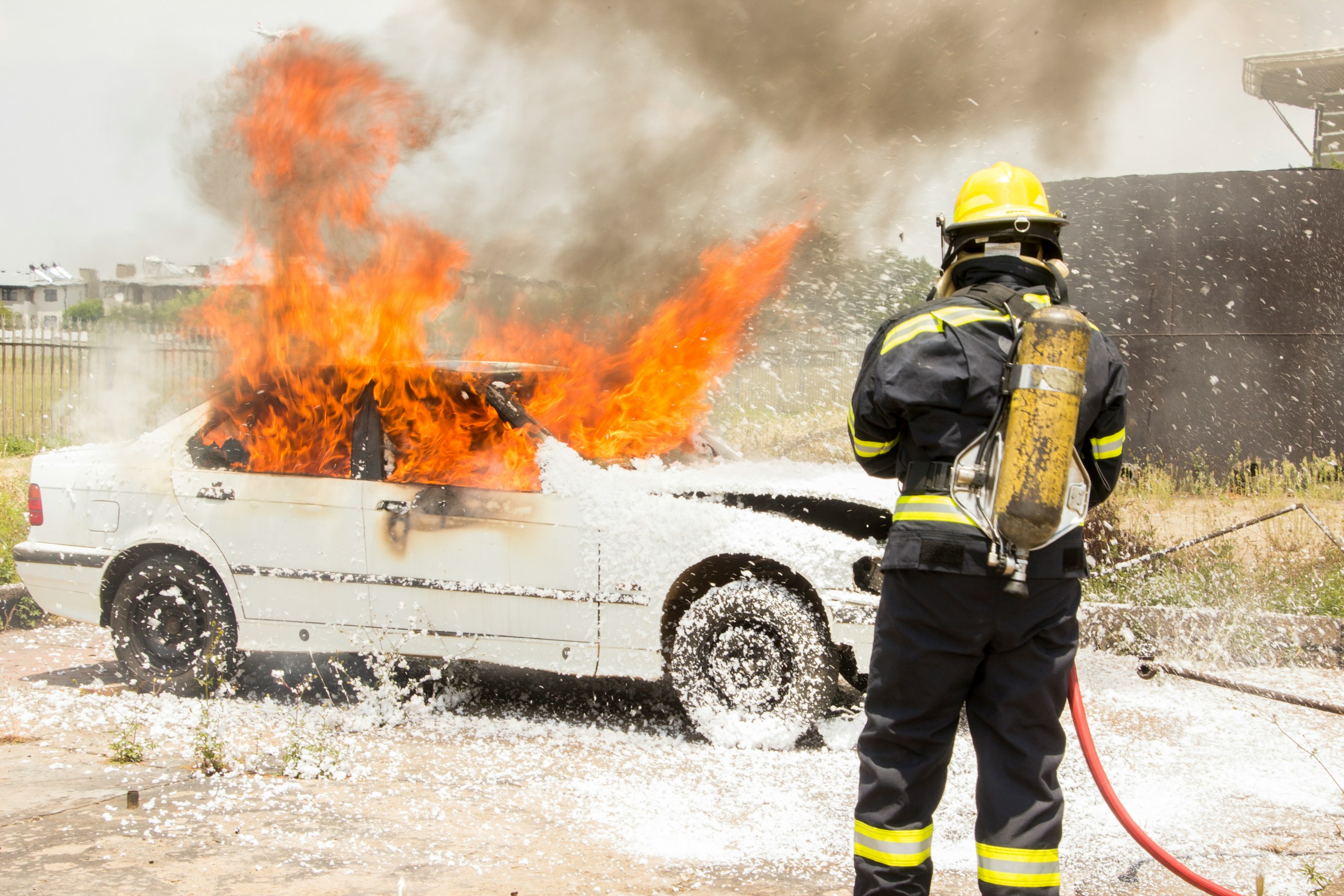
Fire defects are fundamentally different because they create immediate safety risks.
Potential consequences include:
- Personal injury
- Death
- Property damage
- Destruction of homes
- Damage to neighboring vehicles
A defect capable of causing a vehicle to catch fire while parked is especially concerning because it may occur without warning.
Common Causes of Vehicle Fires
Vehicle fires can result from numerous defects, including:
Electrical System Failures
Short circuits and wiring defects are among the leading causes of vehicle fires.
Battery Defects
Lithium-ion battery systems can overheat and ignite under certain conditions.
Fuel System Problems
Leaking fuel lines or fuel tank defects can create ignition hazards.
Engine Compartment Defects
Heat buildup and fluid leaks can increase fire risks.
Hybrid and Electric Vehicle Issues
As electric vehicle adoption grows, battery-related fire investigations continue to increase.
Your Rights Under Recall Laws
When a manufacturer identifies a safety defect, federal law generally requires:
- Notification to consumers
- Recall implementation
- Free repairs
However, these obligations do not necessarily compensate owners for lost vehicle value or ongoing problems.
Lemon Law Rights
Many fire-related defects may qualify for lemon law protection.
A vehicle may qualify if:
- Repairs fail repeatedly
- The defect substantially affects safety
- The vehicle spends extensive time in the repair shop
Fire hazards frequently meet the threshold of a substantial safety defect.
Warranty Protections
Consumers may also have rights under:
- Manufacturer warranties
- Extended warranties
- Federal warranty laws
The Magnuson-Moss Warranty Act often provides additional protection when manufacturers fail to honor warranty obligations.
Document Everything
Consumers should maintain:
- Photos
- Videos
- Recall notices
- Repair invoices
- Towing records
Detailed documentation strengthens potential legal claims.
Conclusion
Vehicle fire defects create unique risks that can threaten both safety and property. While recalls provide an important remedy, they do not eliminate all consumer rights. If recall repairs fail or safety concerns continue, consumers may have powerful protections under lemon laws and warranty statutes.