If you’ve ever sat across from an estate planning attorney and heard something like:
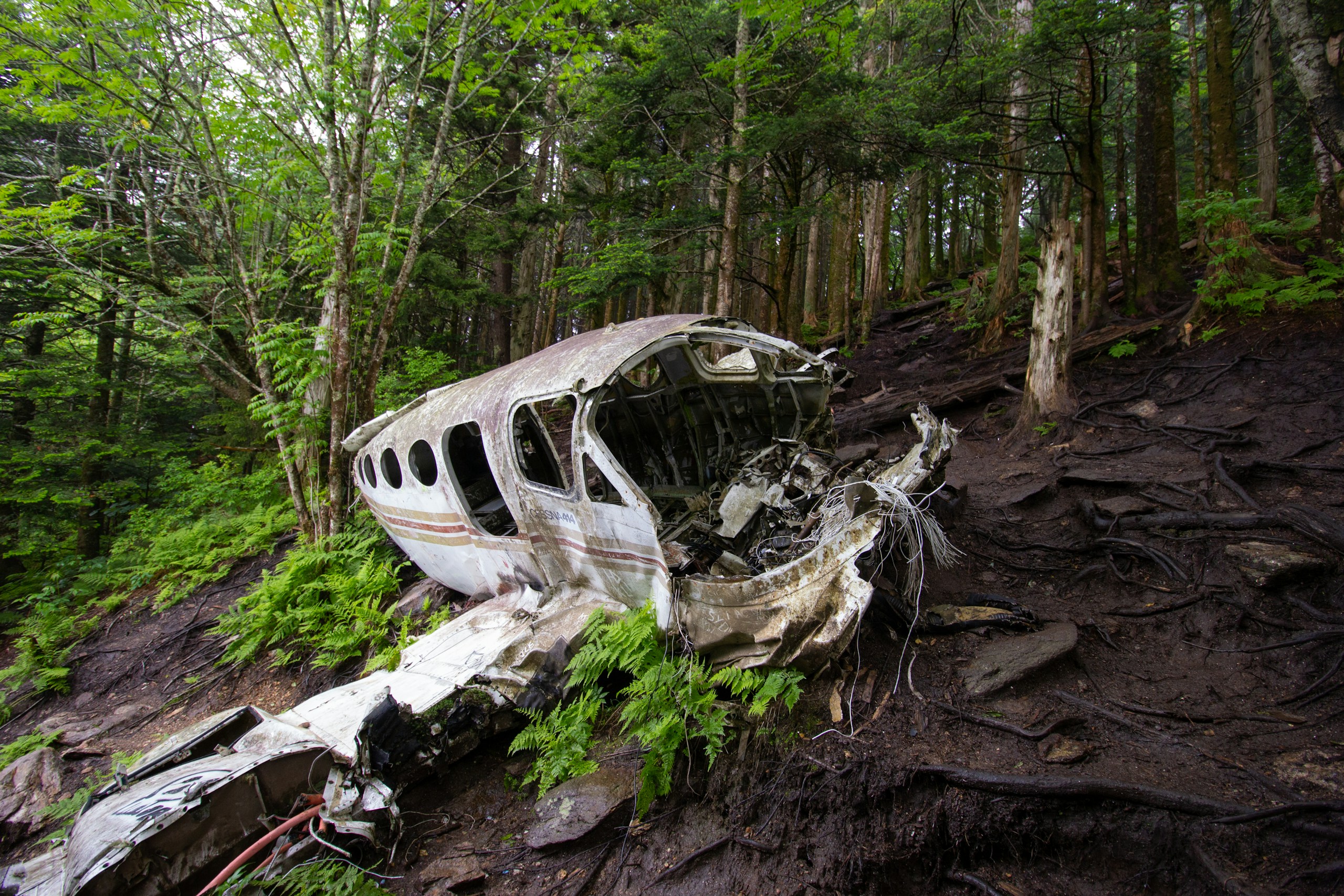
“Let’s assume you, your spouse, and your kids all die in a plane crash…”
…your first reaction was probably somewhere between confusion and “this feels a bit extreme.”
You’re not wrong. It is extreme. It’s also one of the most important parts of building a solid estate plan.
Let’s talk about why attorneys do this—and why you should take it seriously.
Yes, It’s Unlikely. That’s the Point.
The scenario itself—a single event wiping out your entire immediate family—is rare.
But estate planning isn’t about planning for the likely.
It’s about planning for the possible—especially the scenarios that create the most confusion, conflict, and unintended consequences.
Because here’s the truth:
👉 The more unusual the situation, the more likely your plan will fail without clear instructions.
What Your Attorney Is Actually Testing
When your attorney walks you through a “plane crash” scenario, they’re not being dramatic—they’re pressure-testing your plan.
They’re asking:
- If your primary beneficiaries (spouse, children) are gone…
- Who gets everything next?
- And is that result actually what you want?
Most people haven’t thought past the first layer.
The Hidden Problem: No Backup Plan
A typical estate plan looks like this:
- Leave everything to your spouse
- If your spouse is gone, leave everything to your children
But what if:
- Your spouse and children are gone?
- Or they pass at the same time?
👉 Now your plan needs a third layer (and sometimes a fourth).
Without it, the law decides for you.
Where Does Your Estate Go Next?
If your entire immediate family is gone, your estate typically passes to:
1. Extended Family (Heirs at Law)
This could include:
- Parents
- Siblings
- Nieces and nephews
- More distant relatives
Depending on your state’s intestacy laws, assets may flow in a strict order—even to people you barely know.
👉 You might be surprised who legally qualifies.
2. Named Backup Beneficiaries
If your documents are well-drafted, you can override default rules and direct assets to:
- Specific relatives
- Friends
- Trusts
- Charities
This is where intentional planning really matters.
3. Charity
Many people choose to include a charitable “fail-safe”:
- If no close family survives, assets go to causes they care about
- This avoids wealth passing to unintended or unknown relatives
Why This Scenario Really Matters
Even though it feels far-fetched, this exercise forces clarity on big questions:
Who do you trust beyond your immediate family?
Not everyone wants assets going to extended relatives by default.
Do your spouse and you have identical wishes?
If not, simultaneous death scenarios can produce very different outcomes.
Are you okay with the state deciding?
Because without clear instructions—that’s exactly what happens.
The Real Risk Isn’t the Plane Crash
The real risk isn’t the unlikely event.
It’s this:
👉 An incomplete plan that stops one step too soon.
That’s how estates end up:
- In probate longer than necessary
- Distributed in ways the person never intended
- Creating disputes among extended family
Why Attorneys Push This Conversation
Good estate planning attorneys aren’t trying to be morbid—they’re trying to be thorough.
By walking through extreme scenarios, they:
- Identify gaps in your plan
- Ensure every “what if” has an answer
- Give you control over outcomes instead of leaving it to chance
The Bottom Line
No one enjoys imagining worst-case scenarios.
But the people who do this planning thoughtfully are the ones who:
- Protect their legacy
- Make life easier for the people left behind
- Ensure their assets go exactly where they intend
So the next time your attorney brings up that “plane crash” scenario…
It’s not about fear.
👉 It’s about making sure nothing is left to accident—including your estate.