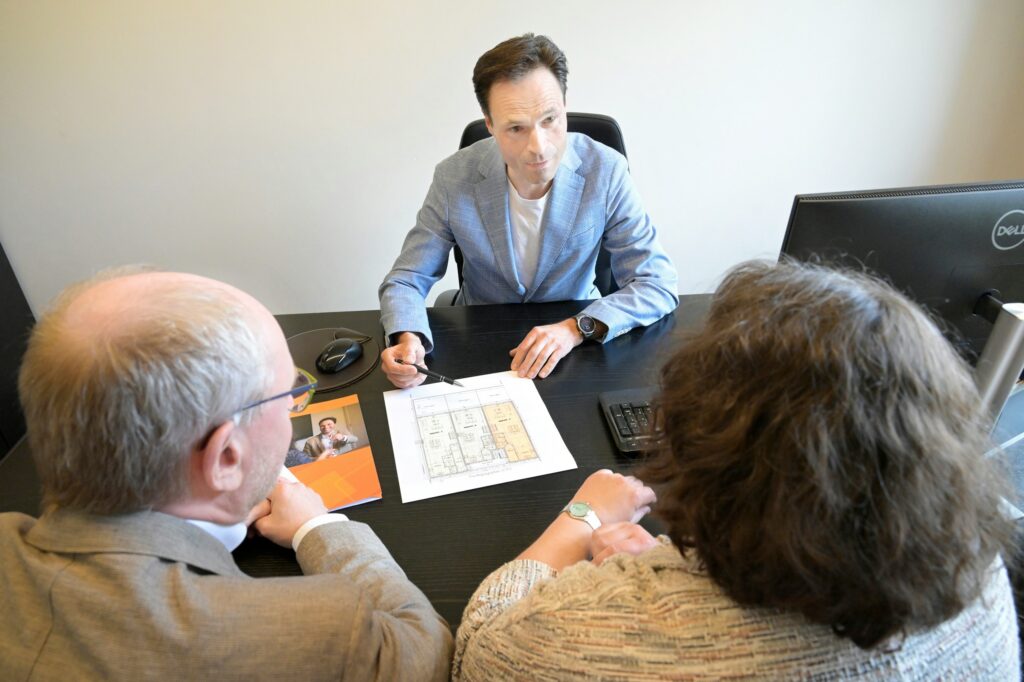
Estate planning isn’t just for the wealthy. It’s for anyone who wants to make life easier for the people they love—especially during stressful times.
A basic plan can:
- clarify who makes decisions if you can’t
- reduce confusion and conflict
- help your family access accounts and handle practical tasks
- ensure your wishes are known
This post is a consumer-friendly starter guide, with a checklist of documents to gather before you meet with an estate planning attorney.
What “estate planning” usually includes
Most people think “will,” but a plan often includes several pieces:
- Will: instructions for property distribution and guardianship for minor children
- Power of attorney: who can handle financial/legal matters if you’re incapacitated
- Health care directive / health care power of attorney: who can make medical decisions
- Beneficiary designations: life insurance, retirement accounts, payable-on-death accounts
- Trust (in some cases): a tool to manage assets during life and/or after death
Not everyone needs every tool. The right plan depends on your family, assets, and goals.
The two biggest misconceptions
Misconception #1: “My family will automatically be able to handle everything.”
In reality, banks, hospitals, and agencies often require legal authority. Without documents, your family may need court involvement.
Misconception #2: “A will avoids probate.”
A will often guides probate—it doesn’t necessarily avoid it. Some assets pass outside probate (like certain beneficiary-designated accounts), but rules vary.
A practical “starter plan” checklist
If you want to begin without getting overwhelmed, start here:
- Choose your decision-makers
- Who would you trust to handle finances?
- Who would you trust to make medical decisions?
- List your key assets
- home, vehicles, bank accounts, retirement accounts, insurance
- Identify your beneficiaries
- who should receive what, and any special circumstances
- Consider guardianship
- if you have minor children, who would care for them?
- Think about “what if” scenarios
- blended families, special needs planning, aging parents, business ownership
Document checklist: What to gather before your appointment
Bring (or prepare) copies of:
- Photo ID
- Marriage certificate, divorce decrees, prenup (if applicable)
- Names/addresses of intended decision-makers and beneficiaries
- Deeds/mortgage info for real estate
- Bank and investment account statements
- Retirement account and life insurance beneficiary pages
- Business ownership documents (if any)
- Existing estate planning documents (old wills, trusts, POAs)
- A list of debts (mortgage, loans)
If you don’t have everything, that’s okay. The goal is to speed up the process.
When a trust might come up
A trust may be discussed if you want to:
- plan for minor children
- provide for a family member with special needs
- manage assets across multiple states
- create more privacy than a public court process
- set rules for distributions over time
Trusts are tools—not magic. They need proper funding and coordination with beneficiary designations.
If you want a clear, practical estate plan that fits your life (without legal jargon), Ginsburg Law Group, PC can help you understand your options and put the right documents in place. Contact us to schedule a consultation.