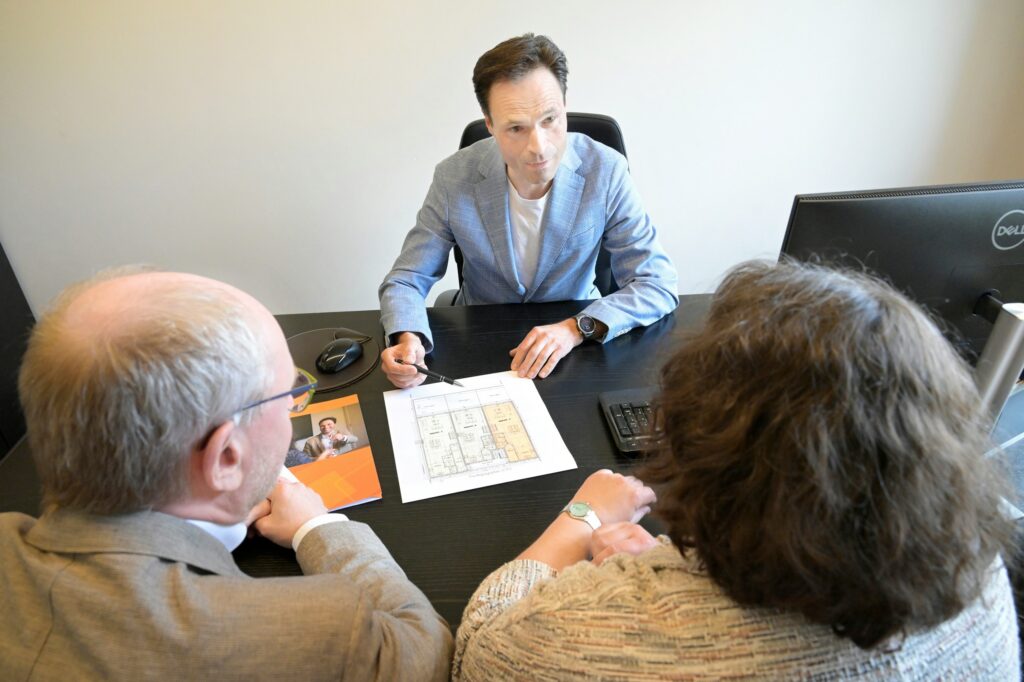
Estate planning isn’t just for the wealthy. It’s for anyone who wants to protect their family, avoid confusion, and make sure the right people can step in if something happens.
Most people delay it because it feels overwhelming. The truth: a solid starter plan is usually built from a few core documents and a clear list of your assets, beneficiaries, and decision-makers.
What estate planning is (plain English)
Estate planning is the process of putting legal documents in place so that:
- Your property goes where you want
- The right person can make decisions if you can’t
- Your children are protected
- Your family avoids unnecessary delays and conflict
The right plan depends on your goals, your state, and your family situation.
The “starter plan” documents
Many families begin with:
1) A will
A will can:
- Name who receives your property
- Name a guardian for minor children
- Name an executor to handle the process
2) Powers of attorney
These documents can authorize someone you trust to handle:
- Financial decisions (paying bills, managing accounts)
- Legal/administrative tasks
3) Health care documents
Depending on your state, this may include:
- Health care power of attorney
- Living will / advance directive
- HIPAA authorization
4) A trust (sometimes)
A trust can be helpful for:
- Avoiding probate in certain situations
- Planning for minor children
- Privacy and organization
- Special circumstances (blended families, special needs planning)
Not everyone needs a trust, and the details matter.
What to bring to your first estate planning meeting (checklist)
Personal and family information
- Full legal names, addresses, and dates of birth
- Marriage/divorce information
- Children’s information (including from prior relationships)
- Names of potential guardians for minor children
Asset overview
- Real estate (addresses, approximate values, mortgage info)
- Bank accounts (types and institutions)
- Retirement accounts (401(k), IRA)
- Life insurance policies
- Vehicles
- Business interests
- Significant personal property
Existing documents
- Prior wills or trusts
- Powers of attorney
- Prenuptial or postnuptial agreements
- Deeds or titles
Your decision-makers
Think about:
- Executor
- Trustee (if a trust is used)
- Financial agent under power of attorney
- Health care agent
Choose people who are reliable and able to handle stress.
Common pitfalls to avoid
- Naming someone without asking them first
- Forgetting to update beneficiaries on retirement accounts and insurance
- Assuming a will avoids probate in every situation
- Using generic online forms that don’t match your state’s requirements
- Not planning for incapacity (not just death)
If you want a straightforward starter plan—or you’re not sure whether you need a trust—Ginsburg Law Group, PC can walk you through your options in plain English and help you put the right documents in place for your family. START NOW!