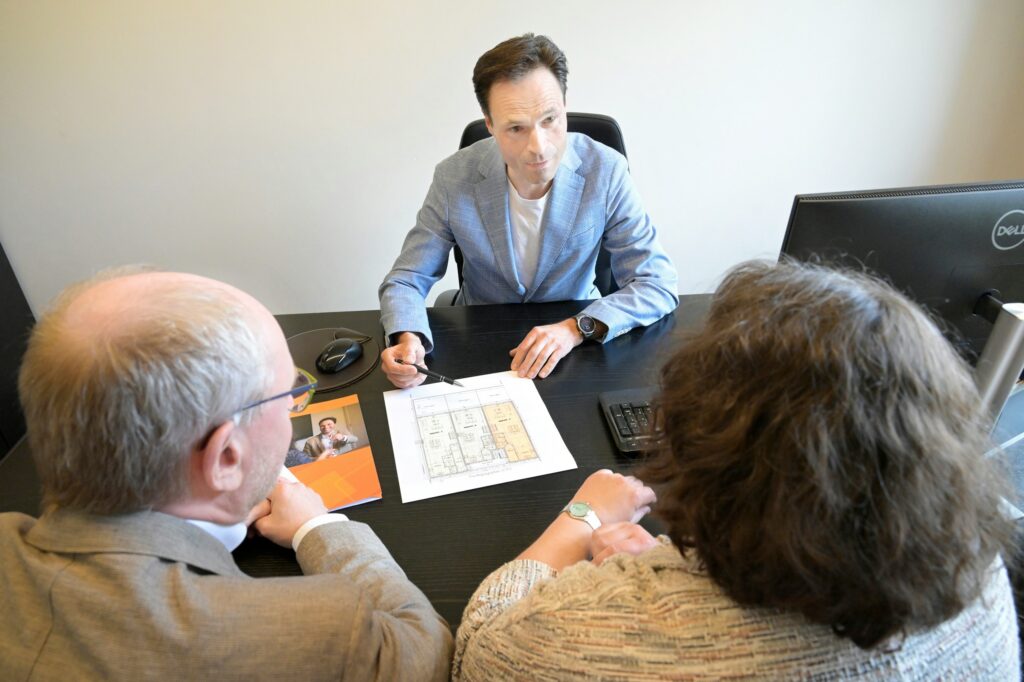
Estate planning isn’t just for “wealthy people”
Many families avoid estate planning because it feels intimidating, expensive, or like something you do later.
In reality, estate planning is often about:
- Making sure the right person can make decisions if you can’t
- Reducing confusion and conflict
- Protecting children and dependents
- Making the process easier for your loved ones
This post is a practical, plain-English overview of a starter plan—what documents to consider, what information to gather, and how to prepare for a meeting with an attorney.
The starter plan: 5 building blocks
1) A will
A will generally addresses:
- Who receives your assets
- Who serves as executor/personal representative
- Guardianship nominations for minor children
What to document:
- Full legal names of beneficiaries
- Current addresses (approximate is okay to start)
- A list of major assets
- Any special circumstances (blended family, estrangement, special needs)
2) Powers of attorney (financial)
A financial power of attorney can allow someone you trust to handle finances if you’re unavailable or incapacitated.
What to document:
- Who you trust to act
- Backup choice
- Any limits you want (if appropriate)
3) Health care directives (medical)
These documents can cover:
- Who can make medical decisions
- Your preferences for end-of-life care
What to document:
- Primary and backup health care agent
- Basic preferences (you can discuss details with counsel)
4) Beneficiary designations (often overlooked)
Some assets pass by beneficiary designation, not by will.
Examples:
- Life insurance
- Retirement accounts
- Some bank accounts
What to document:
- Current beneficiaries
- Whether they’re still appropriate
5) A simple “family information sheet”
This is not a legal document, but it’s incredibly helpful.
Include:
- Account list (bank, retirement, insurance)
- Where documents are stored
- Key contacts (CPA, financial advisor)
- Password manager location (not the passwords themselves)
Do you need a trust?
Trust planning can be useful in many situations, but it’s not one-size-fits-all.
A good starting question is:
- “What problem am I trying to solve?”
Examples of common goals:
- Avoiding probate in certain situations
- Planning for minor children
- Planning for a family member with special needs
- Managing assets if you own property in multiple states
An attorney can help you evaluate whether a trust makes sense for your family.
The estate planning meeting prep checklist
Bring (or gather) the following:
- Full legal names and dates of birth (spouse/partner, children)
- Prior marriage/divorce documents (if applicable)
- A list of assets (home, accounts, insurance)
- A list of debts (mortgage, loans)
- Names/contact info for your chosen decision-makers
- Questions you want answered (probate, guardianship, trust options)
Common mistakes that create headaches later
- Not updating documents after life changes (marriage, divorce, new child, move).
- Naming someone without asking them first.
- Forgetting beneficiary designations.
- Storing documents where no one can find them.
If you’ve been meaning to “get your documents in order” but don’t know where to start, Ginsburg Law Group, PC can help you build an estate plan that fits your life—without jargon and without overwhelm. Contact us to schedule a consultation and we’ll walk you through your options.