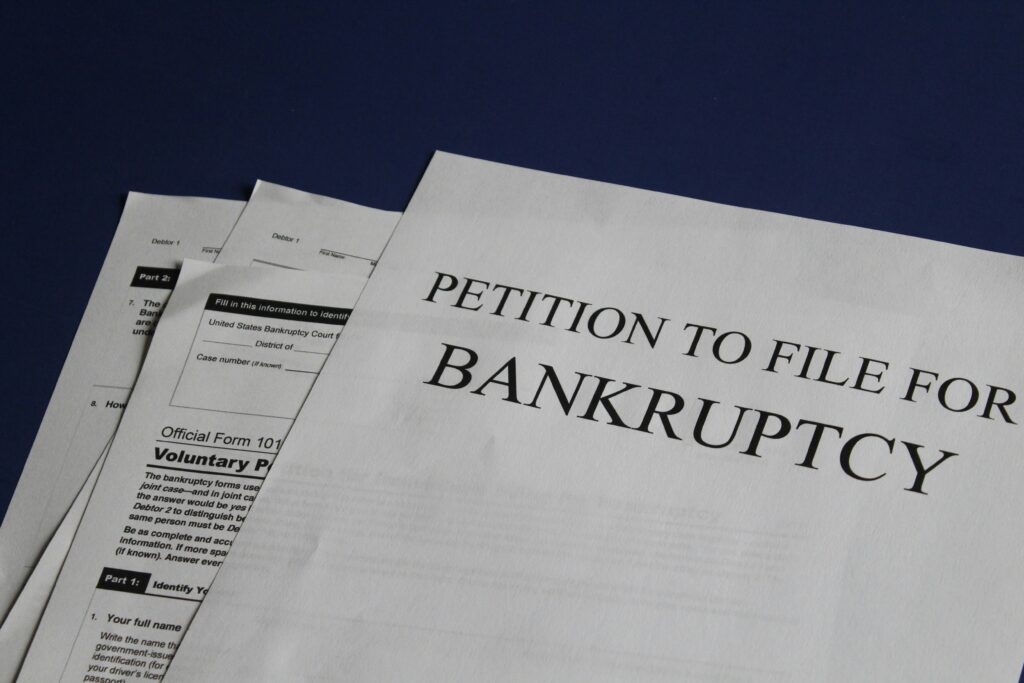
For many consumers struggling with debt, bankruptcy is supposed to offer a fresh start. But what happens when you fall into a frustrating middle ground—earning too much to qualify for Chapter 7, yet not enough to realistically afford a Chapter 13 repayment plan?
This situation is more common than most people realize, and it can leave individuals feeling trapped, confused, and without clear options.
Understanding the Bankruptcy “Gap”
Bankruptcy law was designed with two primary paths for individuals:
- Chapter 7: A liquidation bankruptcy meant for those with limited income
- Chapter 13: A repayment plan for individuals with steady income
But the system doesn’t always work cleanly. Many people fall into what’s often called the “bankruptcy gap.”
This happens when:
- Your income is above the Chapter 7 means test threshold
- But your actual expenses leave you with little or no disposable income
On paper, you look like you can pay. In reality, you can’t.
Why You May Not Qualify for Chapter 7
Chapter 7 eligibility is determined largely by the means test, which compares your income to the median income in your state.
If your income is too high:
- You may be presumed to have the ability to repay debts
- The court may deny your Chapter 7 filing
But the means test doesn’t always reflect real life. It uses standardized expense allowances that may not match your actual financial obligations.
For example:
- High medical expenses
- Childcare costs
- Support obligations
- Regional cost-of-living differences
These may not be fully accounted for.
Why Chapter 13 May Not Be Feasible
If you don’t qualify for Chapter 7, Chapter 13 is often the next option. But Chapter 13 requires:
- A 3–5 year repayment plan
- Monthly payments based on “disposable income”
- Strict budget compliance
The problem?
Many people technically qualify for Chapter 13—but:
- Have no real disposable income
- Can’t sustain payments long-term
- Are already living paycheck to paycheck
This leads to a high failure rate. Many Chapter 13 cases are dismissed before completion.
The Emotional Toll
Being stuck in this middle ground can feel overwhelming.
You may experience:
- Constant creditor calls
- Wage garnishments
- Mounting interest and penalties
- Anxiety about financial instability
And worst of all—you’re told you “make too much” to get help.
So… What Are Your Options?
Even if you don’t neatly fit into Chapter 7 or 13, you still have options.
1. Reevaluate the Means Test
Sometimes, the initial analysis is incomplete.
An experienced attorney can:
- Identify allowable expense deductions
- Factor in special circumstances
- Challenge the presumption of abuse
You may still qualify for Chapter 7.
2. Strategic Chapter 13 Filing
Even if Chapter 13 seems unaffordable, it may still:
- Stop foreclosure or repossession
- Provide temporary relief
- Allow restructuring of priority debts
Some plans can be adjusted based on actual ability to pay.
3. Debt Settlement
Negotiating directly with creditors can:
- Reduce balances
- Lower monthly obligations
- Avoid long-term court supervision
4. Defending Debt Collection Lawsuits
If creditors sue:
- You may have legal defenses
- You may force settlements
- You may even get cases dismissed
5. Consumer Protection Claims
Some debts involve:
- Illegal collection practices
- Violations of federal law
These claims can:
- Eliminate debt
- Result in compensation
The Bottom Line
If you feel stuck between Chapter 7 and Chapter 13, you’re not alone—and you’re not out of options.
The key is understanding that bankruptcy is not one-size-fits-all. A deeper legal analysis can often uncover paths forward that aren’t immediately obvious.