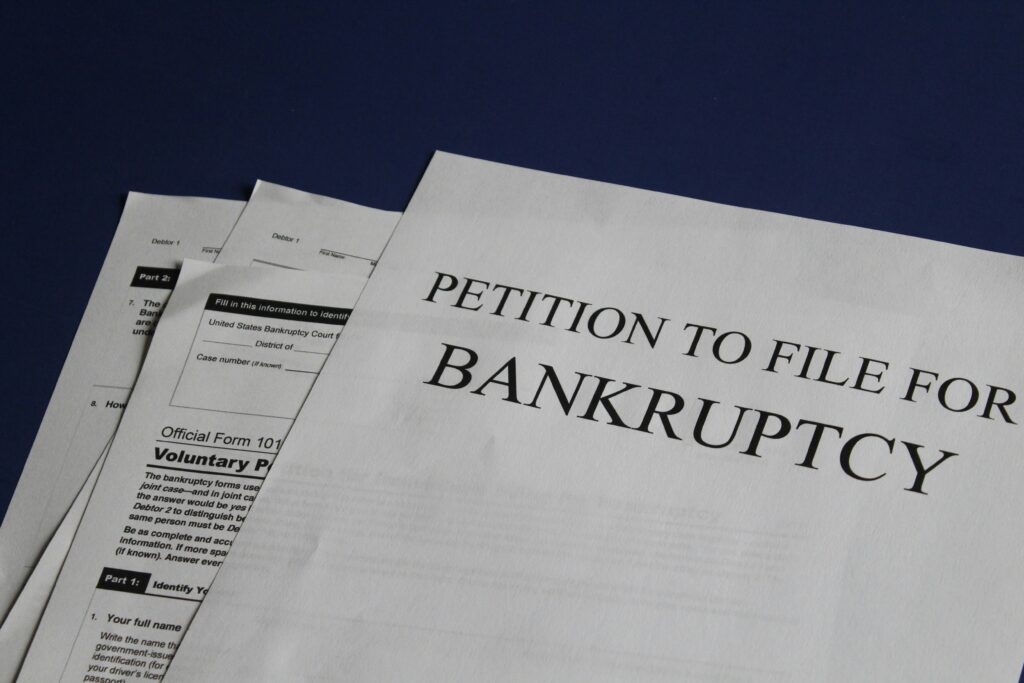
Bankruptcy is a legal tool designed to give honest people a fresh start. But it’s also a paperwork-heavy process, and many consumers feel overwhelmed before they even make the first call.
This post is a practical “prep guide” for what to gather and what questions to think through before a consultation. It’s general information, not legal advice for your specific situation.
The two most common consumer bankruptcies: Chapter 7 and Chapter 13
Chapter 7 (often called “liquidation”)
- Typically faster
- May wipe out many unsecured debts
- Eligibility depends on income and other factors
Chapter 13 (a repayment plan)
- Involves a court-approved payment plan over time
- Often used to catch up on mortgage or car payments
- Can be useful when Chapter 7 isn’t available
Whether either option fits depends on your income, assets, debts, and goals.
Before you call: define your top priorities
Your “why” matters. Examples:
- Stop collection calls
- Stop wage garnishment
- Stop a bank account levy
- Catch up on a mortgage
- Deal with a car loan
- Handle medical debt
Write down your top 2–3 goals.
What to gather (document checklist)
Having these ready can make your consultation more efficient.
Income and employment
- Pay stubs (recent)
- Proof of other income (benefits, child support, gig work)
- Last two years of tax returns (if available)
Banking and cash
- Bank statements (checking/savings)
- Information about cash on hand
Debts
- Credit card statements
- Medical bills
- Collection letters n- Personal loan statements
- Any lawsuit paperwork
Home and vehicle
- Mortgage statements
- Car loan statements
- Vehicle title/registration
- Estimated home value and mortgage balance
Monthly expenses
- Rent/mortgage
- Utilities
- Insurance
- Childcare
- Transportation
- Food
Legal issues
- Court papers for lawsuits
- Garnishment or levy notices
- Divorce or support orders (if relevant)
What to document if you’re facing urgent collection action
If you’re dealing with a lawsuit, garnishment, or levy, collect:
- The complaint and summons
- Any court notices
- The date you were served
- Any wage garnishment paperwork
- Any bank levy notice
Deadlines can be short, so don’t wait.
Questions to ask in your consultation
- What chapter options might apply to me?
- What property is protected (exempt) in my state?
- How will bankruptcy affect my car and home?
- What happens to recent charges or cash advances?
- What is the timeline and what are the next steps?
Next step: get a clear plan
If you’re feeling stuck, a consultation can help you understand your options and reduce the uncertainty. Ginsburg Law Group, PC can help consumers evaluate bankruptcy basics and related debt issues, and explain what documents matter most for your situation.
If you reach out, having the checklist above ready will help us give you a more accurate, efficient evaluation.