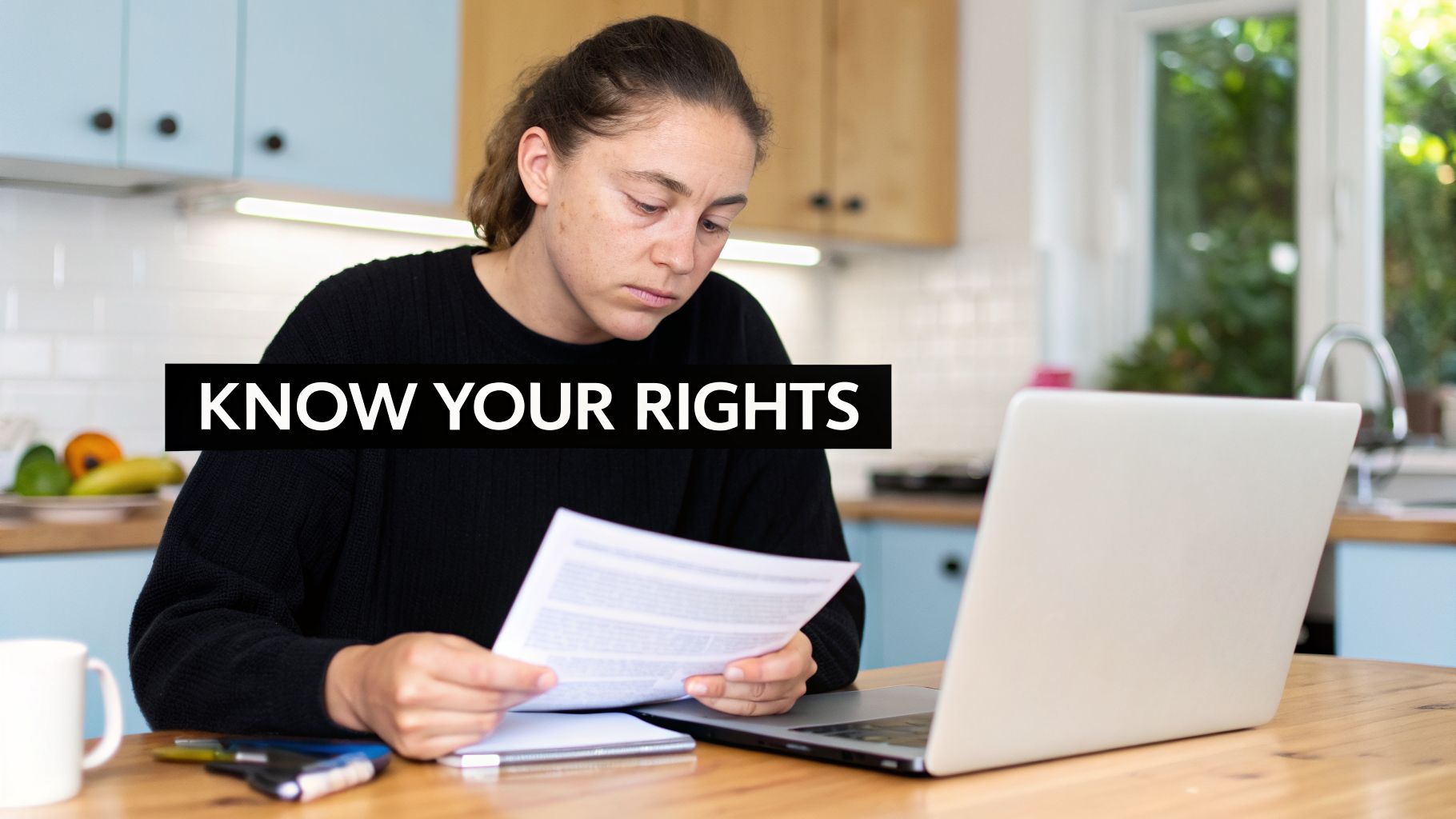
If a debt collector contacts you, one of the most powerful tools you have is the debt validation letter. This right, provided under the Fair Debt Collection Practices Act (FDCPA), allows you to demand proof before paying a single dollar.
Understanding how to use this right can stop collection efforts and protect you from paying debts you don’t actually owe.
What Is a Debt Validation Letter?
A debt validation letter is a written request asking a debt collector to verify:
- The amount of the debt
- The original creditor
- Proof that you owe the debt
- Proof that the collector has the right to collect
When Can You Request Validation?
You have 30 days from the first written notice to dispute the debt.
Once you send your dispute:
- Collection activity must stop
- The collector must verify the debt
Why This Matters
Debt collectors often:
- Have incomplete records
- Purchase inaccurate debt portfolios
- Attempt to collect outdated or incorrect debts
A validation request forces them to prove their claim.
What Happens After You Send a Validation Letter?
Once sent:
- Collection efforts must pause
- The collector must investigate
- They must provide verification before continuing
If they fail to do so but continue collecting, they may violate the FDCPA.
What Counts as Proper Validation?
Proper validation should include:
- Documentation of the debt
- A clear breakdown of the amount
- Evidence linking you to the debt
A simple statement saying “you owe this” is not enough.
Common Collector Mistakes
Collectors often violate the FDCPA by:
- Ignoring validation requests
- Sending incomplete information
- Continuing to call or demand payment
These actions may entitle you to compensation.
How to Write a Debt Validation Letter
Your letter should include:
- Your name and contact information
- The account number (if known)
- A statement disputing the debt
- A request for validation
👉 Always send it by certified mail and keep a copy.
Should You Pay Before Validation?
No. You should never pay a debt you are unsure about until it has been properly validated.
What If the Debt Is Valid?
If the debt is confirmed, you still have options:
- Negotiate a settlement
- Request a payment plan
- Explore legal defenses
What If the Debt Is Not Valid?
If the collector cannot validate the debt:
- They must stop collection
- They may not legally pursue payment
When to Contact an Attorney
You should speak with an attorney if:
- The collector ignores your dispute
- They continue contacting you
- The debt seems incorrect
Final Thoughts
Debt validation is one of the most powerful protections under the FDCPA. It shifts the burden to the collector and ensures you are not paying something you don’t owe.
If used correctly, it can stop harassment, uncover errors, and even lead to legal claims against collectors who break the law.