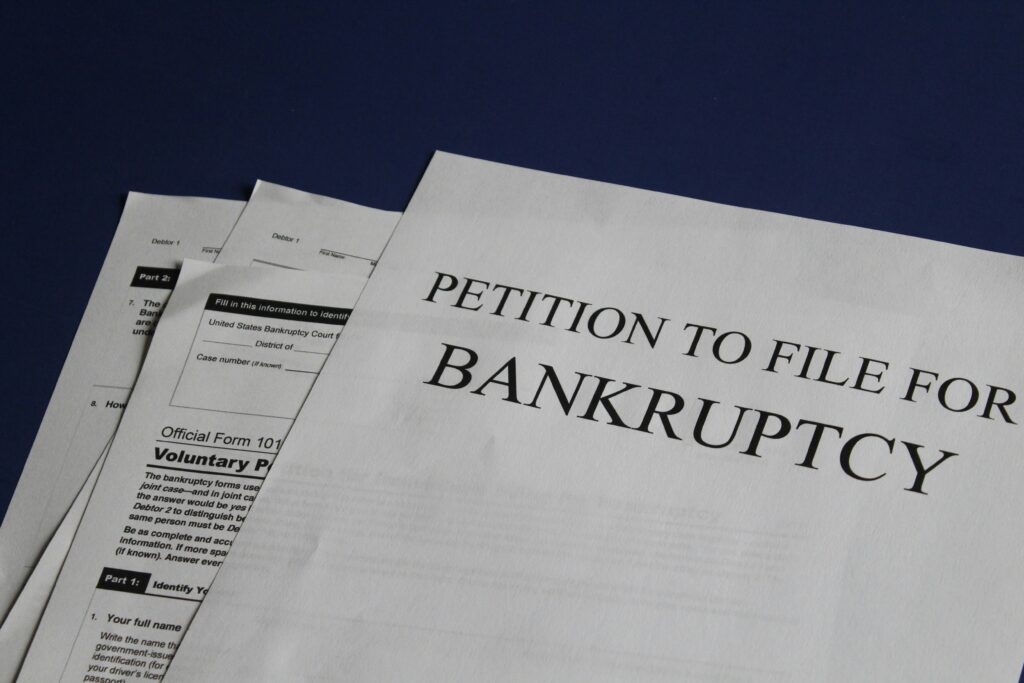
If you’re considering bankruptcy, one of the most important decisions you’ll face is choosing between Chapter 7 and Chapter 13. While both provide relief from overwhelming debt, they operate very differently and serve different financial situations.
Understanding these differences can help you make an informed decision about your financial future.
The Core Difference
At its simplest:
- Chapter 7 eliminates debt quickly
- Chapter 13 restructures debt over time
Your income, assets, and goals will determine which option is best.
Chapter 7 Bankruptcy Overview
Chapter 7 is ideal for individuals who:
- Have limited income
- Cannot realistically repay their debts
- Want a fast resolution
Advantages
- Quick process (3–4 months)
- Most unsecured debts discharged
- No repayment plan
Disadvantages
- Income limits apply
- Some non-exempt property may be sold
- Not ideal for saving a home from foreclosure
Chapter 13 Bankruptcy Overview
Chapter 13 is designed for individuals who:
- Have steady income
- Want to keep their property
- Need time to catch up on payments
Advantages
- Stops foreclosure
- Allows you to catch up on mortgage arrears
- Protects co-signers
- Consolidates debt into one payment
Disadvantages
- Requires 3–5 year commitment
- Monthly payments required
- More complex than Chapter 7
Income Requirements
One of the biggest determining factors is income.
Chapter 7 Means Test
If your income is below your state’s median, you likely qualify. If it’s above, you may still qualify after expenses are considered.
Chapter 13 Eligibility
You must have:
- Regular income
- Debt within certain limits
What Happens to Your Property?
Chapter 7
- Non-exempt assets may be sold
- Most filers keep their property due to exemptions
Chapter 13
- You keep all your property
- You repay creditors based on your disposable income
Foreclosure and Repossession
Chapter 7
- Temporarily stops foreclosure
- Does not provide a long-term solution
Chapter 13
- Allows you to cure arrears over time
- Can save your home
Debt Treatment
Chapter 7
- Eliminates unsecured debts
- Secured debts must be reaffirmed or surrendered
Chapter 13
- Repays a portion of debts
- Remaining eligible debts are discharged after completion
Monthly Payments
- Chapter 7: No payments
- Chapter 13: Structured monthly payment plan
Credit Impact
Both types affect credit, but:
- Chapter 7 stays for 10 years
- Chapter 13 stays for 7 years
However, both allow for rebuilding.
Which Should You Choose?
Choose Chapter 7 If:
- You have little income
- You have mostly unsecured debt
- You want a quick fresh start
Choose Chapter 13 If:
- You want to keep your home
- You are behind on payments
- You have regular income
Real-Life Example
Consider two individuals:
- John has $50,000 in credit card debt and lost his job → Chapter 7
- Sarah is behind on her mortgage but has steady income → Chapter 13
Each situation requires a different approach.
Common Mistakes to Avoid
- Waiting too long to file
- Choosing the wrong chapter
- Not consulting an attorney
- Failing to disclose all assets
Final Thoughts
Choosing between Chapter 7 and Chapter 13 is not just a legal decision—it’s a financial strategy. The right choice depends on your goals, income, and the type of debt you have.
Speaking with an experienced bankruptcy attorney can help ensure you choose the best path toward financial recovery.