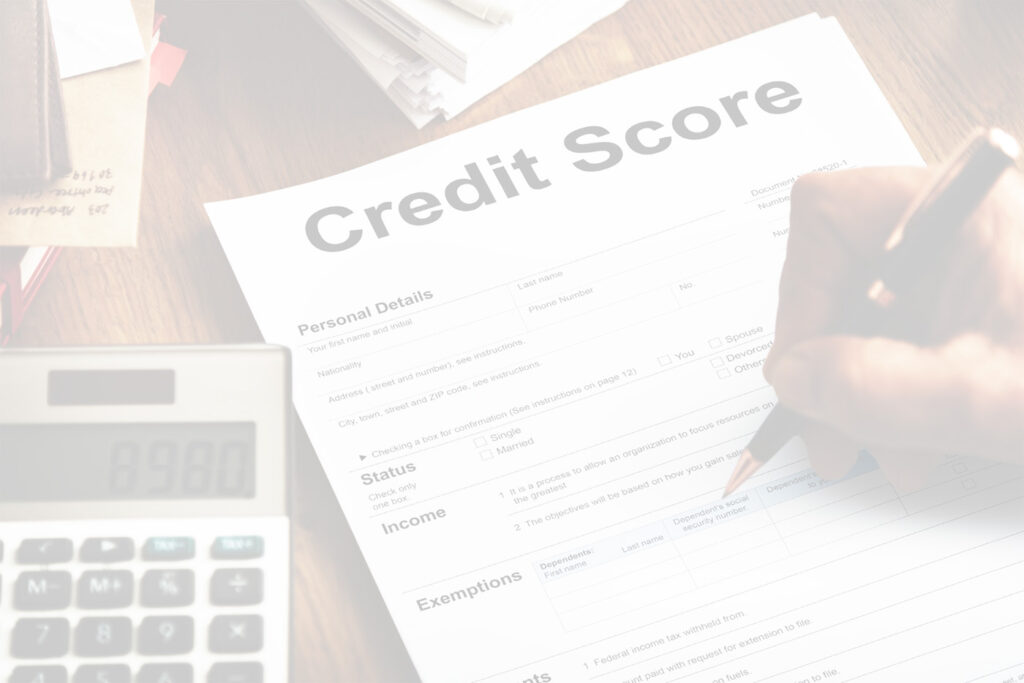
If you see a debt on your credit report that is wrong, inflated, or not yours, disputing it the right way matters.
Done correctly, a dispute can trigger legal protections under the FCRA (Fair Credit Reporting Act) and sometimes the FDCPA (Fair Debt Collection Practices Act).
Here’s how to do it properly.
Step 1: Pull All Three Credit Reports
Get your reports from:
- Experian
- Equifax
- TransUnion
You need to know:
- Who is reporting the debt
- The balance listed
- The status (open, charged off, collection)
- The dates (date opened, date of first delinquency)
Take screenshots or download copies.
Documentation matters.
Step 2: Identify the Problem
Common errors include:
- Not your account
- Wrong balance
- Duplicate reporting
- Paid debt still showing due
- Account not marked “disputed”
- Debt past the reporting period
Be specific. “This is wrong” is not enough.
Step 3: Dispute With the Credit Bureaus (Not Just the Collector)
File a dispute directly with:
- Each credit bureau reporting the error
You can dispute:
- Online
- By certified mail (recommended for paper trail)
Include:
- Your identifying information
- The account name and number
- A clear explanation of the error
- Supporting documentation (proof of payment, ID theft report, etc.)
The bureau has 30 days to investigate.
Step 4: Dispute With the Furnisher (Optional but Strategic)
You can also send a dispute directly to:
- The debt collector
- The original creditor
Under the FCRA, they must:
- Conduct a reasonable investigation
- Correct inaccurate information
- Report the debt as disputed
Step 5: Track the Investigation Results
After investigation, the bureau must send you:
- Written results
- Updated credit report if changes were made
If the debt remains and you believe it is still wrong, you may have grounds for further action.
Step 6: Know When It Becomes a Legal Issue
If:
- The furnisher fails to reasonably investigate
- The debt is reported inaccurately after notice
- The dispute is ignored
- The account is not marked disputed
You may have a potential FCRA claim.
The key is that the furnisher must have received notice of the dispute from the bureau.
Key Mistakes to Avoid
- Disputing without documentation
- Sending vague disputes
- Only disputing by phone
- Ignoring deadlines
- Re-disputing the same issue repeatedly without new information
Precision matters.