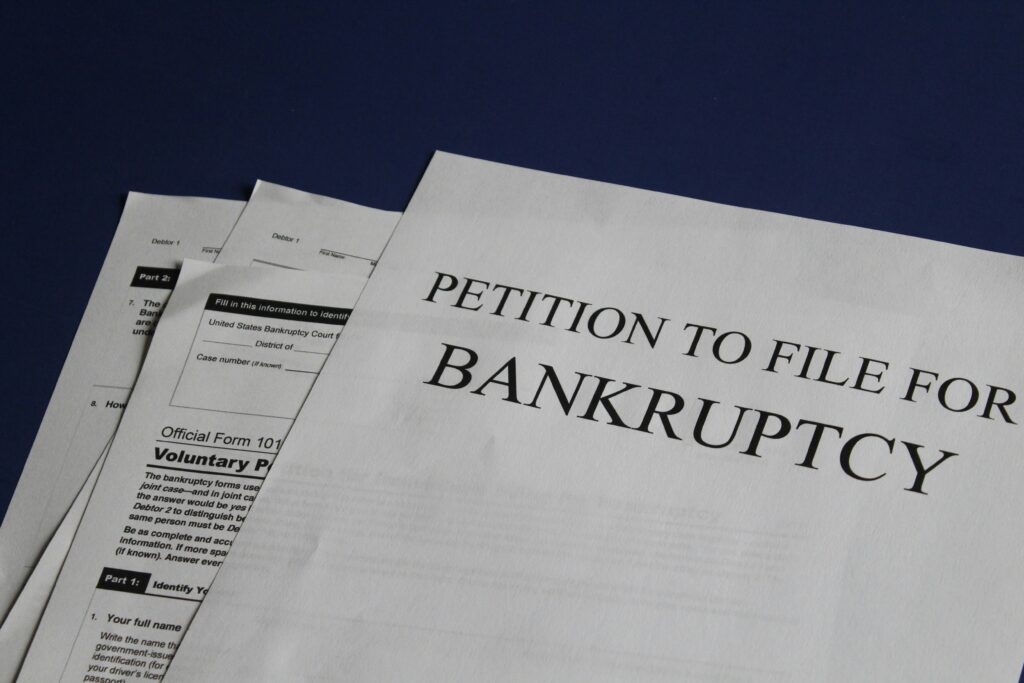
Today’s Question: A Creditor Was Included in My Bankruptcy… But They’re Still Trying to Collect. What Should I Do?
If you filed a Chapter 7 bankruptcy and received your discharge, you probably felt a huge sense of relief.
No more collection calls.
No more harassment.
No more threats of lawsuits.
But then it happens…
You open your email (or mailbox) and see an invoice, a collection notice, or even a demand for payment from a creditor you know was included in your bankruptcy.
Naturally, your first thought is:
“Wait… didn’t bankruptcy wipe this out?”
“Can they do this?”
“Do I have to pay?”
“What should I do next?”
If this happened to you, you are not alone — and the good news is:
In most cases, the creditor is NOT allowed to collect.
Let’s break down what this means and what steps you should take.
What Happens When You Get a Chapter 7 Discharge?
When your Chapter 7 bankruptcy is discharged, the court issues an official order that permanently eliminates certain qualifying debts.
This discharge order is not a suggestion.
It is a federal court order.
Once a debt is discharged, creditors are legally prohibited from attempting to collect it.
Can a Creditor Still Try to Collect After Bankruptcy?
No — not if the debt was discharged.
Once the discharge is entered, creditors cannot:
- call you demanding payment
- send bills or invoices
- threaten legal action
- report the debt as still owed (in many cases)
- sue you for the discharged balance
- continue collection lawsuits
- garnish wages for that debt
If they do, they may be violating bankruptcy law.
What Law Protects You?
When you file bankruptcy, an “automatic stay” immediately stops collection activity.
After you receive your discharge, a stronger protection applies:
The Discharge Injunction
The discharge injunction is a legal order that permanently prevents creditors from attempting to collect discharged debts.
This means collection attempts after discharge are not just annoying — they may be illegal.
Why Would a Creditor Still Send an Invoice?
There are several reasons this happens:
1. Their system wasn’t updated
Some creditors use automated billing systems that keep generating invoices even after discharge.
2. They sold the debt
Sometimes the debt is transferred or sold to a new collector who may not have properly processed the bankruptcy notice.
3. They claim they didn’t get notice
Even if you listed them, creditors sometimes argue they didn’t receive the bankruptcy paperwork (especially if addresses were outdated).
4. It could be a different type of debt
Some debts are not dischargeable, such as certain taxes, student loans, or domestic support obligations. But most consumer debts like credit cards and medical bills are discharged.
Do You Have to Pay?
In most cases: NO.
If the creditor was properly included and the debt was discharged, you do not owe it anymore.
Even if they send an invoice.
Even if the amount looks official.
Even if the email says “past due” or “urgent.”
What Should You Do If a Creditor Contacts You After Discharge?
Here are the steps you should take:
Step 1: Do Not Ignore It (But Don’t Panic)
You do not need to freak out — but you also should not assume it will go away on its own.
Some creditors stop once they realize the bankruptcy was filed.
Others keep pushing until they are forced to stop.
Step 2: Do NOT Pay the Debt
Paying could create confusion and may even weaken your position.
If the debt was discharged, you should not be pressured into paying “just to get them off your back.”
Step 3: Save Everything
Keep documentation, including:
- the email or invoice
- screenshots
- envelopes and letters
- voicemails
- caller ID logs
- any credit report updates showing the debt
Documentation matters if legal action becomes necessary.
Step 4: Confirm the Creditor Was Listed
Check your bankruptcy paperwork to confirm:
- the creditor is listed on your schedules
- the address is correct
- the account number matches
- the creditor received notice
Even if the address was slightly wrong, your discharge may still apply — but this is important to review.
Step 5: Provide Proof of the Bankruptcy Discharge
Often the fastest way to stop the collection is to send:
- your bankruptcy case number
- the discharge date
- a copy of your discharge order
- your attorney’s contact information
Many creditors will immediately stop once they receive proof.
Step 6: Contact Your Bankruptcy Attorney Immediately
This is one of the most important steps.
Your attorney can usually resolve the issue quickly by contacting the creditor directly.
If the creditor continues collection attempts, your attorney may be able to file a motion with the bankruptcy court.
What If the Creditor Keeps Trying to Collect?
If the creditor continues after being notified, the issue becomes much more serious.
A creditor who continues collection after discharge may be violating federal law.
In many cases, the bankruptcy court can:
- sanction the creditor
- order them to stop
- require them to pay attorney’s fees
- award damages to the debtor
In some situations, creditors can be held financially responsible for knowingly violating the discharge injunction.
What If the Creditor Reports the Debt on My Credit Report?
This is another common issue.
A discharged debt should usually show as:
- “included in bankruptcy”
- “discharged”
- with a zero balance
If it continues to show as delinquent or collectible, you may have rights under federal consumer protection laws, including the Fair Credit Reporting Act (FCRA).
Common Types of Creditors Who Make This Mistake
We often see post-discharge collection attempts from:
- medical providers
- credit card companies
- debt buyers
- collection agencies
- utility providers
- old landlords
- payday loan lenders
Many of these companies rely heavily on automated billing systems, which is why errors happen.
But mistakes do not excuse illegal collection.
The Bottom Line
If you filed Chapter 7 bankruptcy and received a discharge, and a creditor included in your case is still trying to collect:
✅ You are not alone
✅ You may be protected by the discharge injunction
❌ You should not pay the debt
📌 Save all evidence
📞 Contact your bankruptcy attorney right away
Final Thought: A Bankruptcy Discharge Is a Court Order
A Chapter 7 discharge is not a “request” to creditors.
It is a federal court order that they must follow.
If a creditor is attempting to collect after discharge, you have rights — and you do not have to tolerate harassment or illegal collection tactics.
Need Help With a Creditor Collecting After Bankruptcy?
If you received a collection notice after your bankruptcy discharge, contact our office. We can review your case and help determine whether the creditor is violating bankruptcy law and what steps can be taken to stop the collection efforts.
You worked hard for your fresh start — don’t let a creditor take it away.