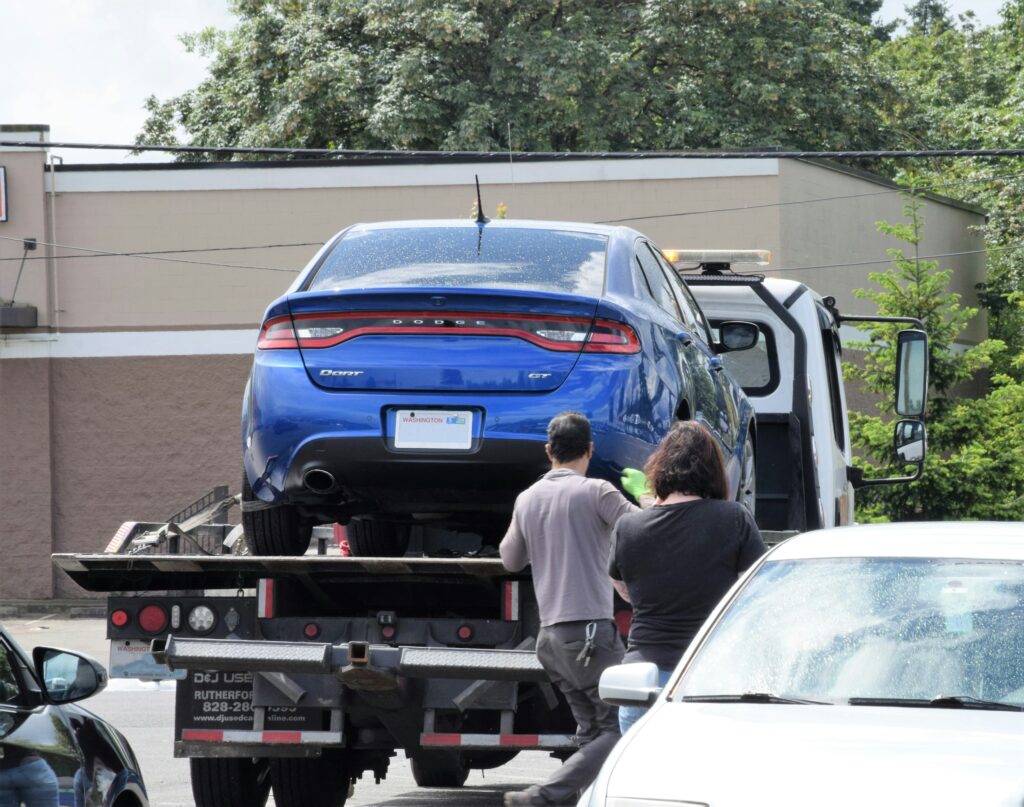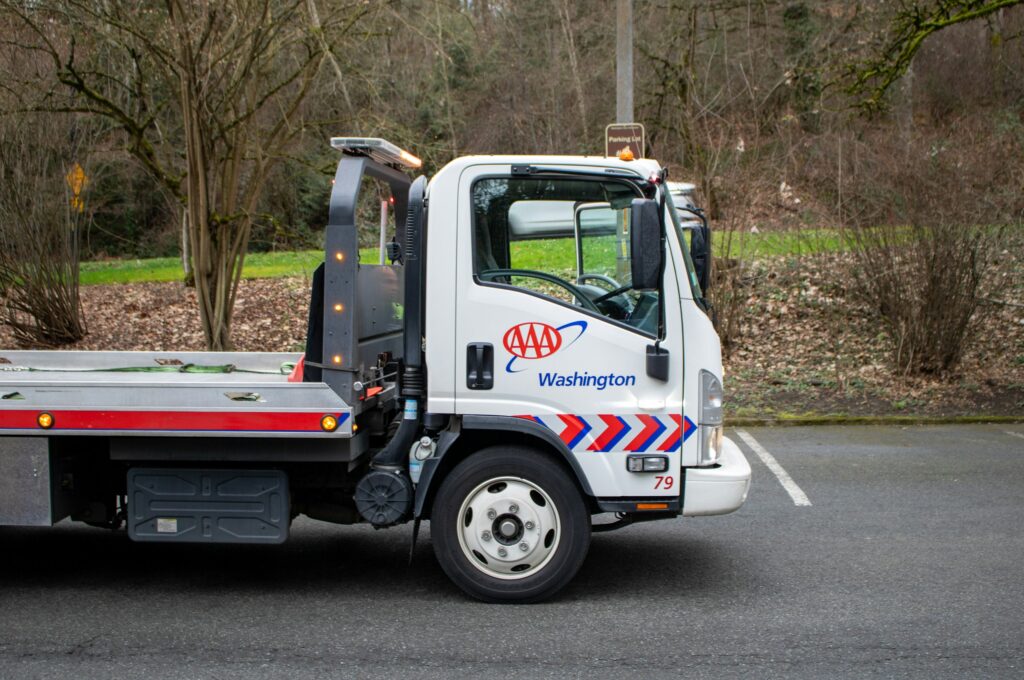
A repossession can remove a car quickly, but it does not erase the loan or end the consumer’s choices. What happens next depends heavily on the finance contract and state law: there may be a short opportunity to retrieve personal property, challenge an error, reinstate the loan, redeem the vehicle, or prepare for the sale and any remaining balance.
The most useful first steps are practical ones: confirm who took the vehicle, contact the lender or servicer in writing, collect payment records, and read every notice promptly. Avoid a confrontation with a repossession agent. A dispute over whether the lender had the right to take the vehicle is better documented and addressed through the lender, a regulator, or qualified counsel.
Why Repossession Can Happen With Little Warning
A vehicle loan normally gives the lender a security interest in the car. Once the borrower is in default, many states allow the lender to repossess the vehicle without first filing a lawsuit or giving advance notice. The contract defines events of default, and a missed payment is a common one. Some states or contracts require a notice or an opportunity to cure before repossession, so a borrower should not assume that one national rule applies.
If a payment problem is developing, contact the lender or servicer directly. Ask whether it offers a due-date change, extension, temporary payment plan, refinance, sale, or voluntary surrender. Any agreement that is supposed to stop repossession should be obtained in writing, including the amount due and the date by which it must be paid. Keep proof of payment. The CFPB has identified wrongful repossessions that occurred even after consumers made promised payments or entered extension agreements.
A Voluntary Surrender Usually Does Not Cancel the Debt
Returning the vehicle voluntarily may reduce some towing or recovery costs, but it usually does not eliminate the remaining loan balance. Unless the lender expressly agrees in writing that the return fully satisfies the debt, the vehicle may still be sold and the borrower may still face a deficiency balance. Late payments and a voluntary surrender may also be reported to consumer reporting companies.
The Repossession Must Stay Within Legal Limits
State versions of secured-transaction law generally allow a lender to take collateral without a court case only if the repossession can occur without a breach of the peace. The exact meaning is state-specific, but force, threats, or entry into a closed garage without permission are commonly cited warning signs. Consumers should not use force or place themselves in danger. Instead, note the time, location, company name, vehicle condition, witness information, and any available video.
Federal debt-collection law can also matter in a narrower way. Section 808(6) of the Fair Debt Collection Practices Act prohibits certain nonjudicial action to take property when there is no present right to possession, no present intention to take it, or the property is exempt. Coverage and available claims depend on who acted, what role that party played, and the facts.
If the Repossession Appears to Be a Mistake
Contact the lender or servicer immediately if the account was current, a payment was misapplied, an extension was approved, the vehicle was included in a pending insurance payoff, or the wrong vehicle was taken. Ask the servicer to place a hold on any sale while it investigates. Send copies, not originals, of documents that support the dispute.
The retail installment contract or loan agreement
Recent account statements and a payment history
Receipts, bank records, confirmation numbers, emails, and text messages
Any extension, deferment, modification, or promise-to-pay agreement
The repossession notice and a written timeline of contacts
If the lender does not resolve the issue, a consumer may submit a complaint to the CFPB and contact the state attorney general or state consumer-protection agency. A local consumer attorney or legal-aid office can assess state-law remedies and deadlines.
Recover Personal Property Promptly
A lender’s security interest in the vehicle does not ordinarily turn personal belongings inside it into collateral. Contact the lender or repossession company promptly to arrange retrieval. Make a written list of the items, their approximate value, and any essential medicines, identification, child-safety equipment, work tools, or accessibility devices. Ask for the retrieval procedure and deadline in writing.
State rules differ on notice, storage, and unclaimed property. The CFPB has also found an unfair practice where consumers’ belongings were withheld unless they paid an upfront fee. Get a receipt for everything returned and document anything missing or damaged.
Read the Sale Notice Carefully
After repossession, the lender may sell the car or, in some circumstances, propose to keep it in satisfaction of the debt. Consumers generally receive notice before a public or private sale, but the notice content and timing come largely from state law. A public-sale notice typically identifies the date, time, and place. A private-sale notice generally states the date after which a sale may occur.
Do not ignore the notice. It may explain how to request an accounting, where to retrieve property, how to redeem the vehicle, whether reinstatement is available, and when the lender plans to sell. Save the envelope as well as the notice because the postmark can matter.
Redemption and Reinstatement Are Different
Redemption generally means paying the full secured obligation plus allowable repossession expenses before the vehicle is sold. Reinstatement usually means curing the default by paying overdue amounts and permitted costs so the existing payment schedule resumes. State law may provide a reinstatement right, but not every state does, and eligibility or frequency limits may apply.
Ask the lender for a written quote that identifies the payoff or reinstatement amount, the deadline, acceptable payment methods, and where the vehicle can be collected. A verbal estimate can become outdated as storage and other permitted charges accumulate.
A Deficiency Balance May Remain After the Sale
Repossession is not the same as debt forgiveness. If the loan balance and allowable expenses exceed the net sale proceeds, the difference is a deficiency balance. For example, if the covered balance and permitted costs total $14,000 and the lender credits $10,000 in net sale proceeds, the claimed deficiency would be $4,000. If the net proceeds exceed the amount owed, state law may require the surplus to be paid to the borrower.
The lender must follow applicable notice and sale rules, and the disposition generally must be commercially reasonable. A borrower who receives a deficiency demand should request an itemized explanation showing the balance before sale, sale price, credits, and each fee. State law may restrict or defeat a deficiency claim when the lender did not follow required procedures.
Check Credit Reports and Collection Communications
Missed payments, a repossession, and a related collection account can affect credit reports. The CFPB states that a repossession could remain on a credit report for up to seven years. Review reports from each nationwide consumer reporting company and dispute information that is inaccurate, duplicated, or not updated after a payment or resolution. Accurate negative information generally cannot be removed merely because it is harmful.
If a third-party debt collector later seeks the deficiency, the FDCPA and state collection laws may apply. Keep the sale accounting and all correspondence. Do not assume the amount is correct before comparing it with the contract, the sale documents, and state law.
Special Protection for Qualifying Servicemembers
The Servicemembers Civil Relief Act may require a court order before a creditor repossesses a vehicle during military service when the contract began before that service and the servicemember paid a deposit or at least one installment before entering service. The protection is fact-specific. A servicemember facing repossession should contact a military legal-assistance office promptly and may report an SCRA concern to the Department of Justice.
A Practical Checklist After Repossession
Confirm the lender, servicer, and repossession company’s contact information independently.
Ask whether a sale hold is available while a documented error is reviewed.
Request access to personal property and keep an inventory of what was in the vehicle.
Collect the contract, payment records, agreements, notices, and a contact log.
Calendar the sale date and any redemption, reinstatement, or dispute deadline.
Request written payoff, reinstatement, and repossession-cost figures before paying.
After sale, request an itemized deficiency or surplus calculation.
Review credit reports and preserve all collection communications.
Because repossession law varies significantly by state and small timing differences can matter, a qualified attorney can review the contract, notices, payment history, and sale process. Consumers who cannot afford counsel can ask a local legal-aid organization whether it handles auto-finance or consumer matters.
Legal Disclaimer
This article is for general informational purposes only and is not legal advice. Laws vary by jurisdiction and facts. Consult a qualified attorney in your state about your specific situation.
Authoritative Sources
Federal Trade Commission, Vehicle Repossession
Consumer Financial Protection Bureau, What happens if my car is repossessed?
Consumer Financial Protection Bureau, What should I do if I cannot make my car payments?
Consumer Financial Protection Bureau, Bulletin 2022-04 on automobile repossession
15 U.S.C. section 1692f, unfair debt-collection practices
U.S. Department of Justice, SCRA financial and housing rights
50 U.S.C. section 3952, installment contracts and repossession