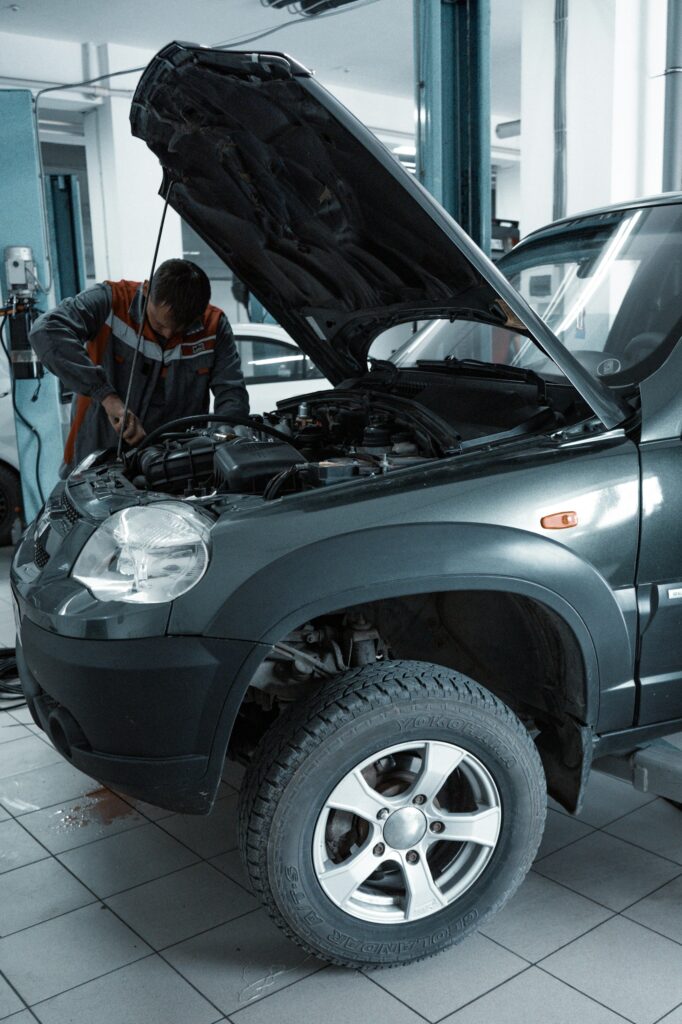
A truck is often purchased because the owner depends on it every day. When a Ram repeatedly develops the same warranty defect, repeated service visits can interfere with work, family responsibilities, and confidence in the vehicle.
Depending on the state, the Lemon Law may provide relief.
What Ram Problems Can Potentially Matter?
Recurring defects may involve:
- Engine
- Transmission
- Diesel systems
- Steering
- Brakes
- Electrical components
- Four-wheel-drive systems
- Emissions-related components
- Suspension
- Safety systems
- Repeated warning lights
The severity and effect of the defect matter more than the name of the component.
Personal vs. Commercial Use
This can be especially important for trucks.
Some state Lemon Laws primarily cover vehicles purchased for personal, family, or household purposes. Others provide limited coverage for certain business vehicles.
If your Ram is used for work, determine whether your state imposes vehicle-weight, fleet-size, or primary-use requirements.
How Many Repairs Are Too Many?
State rules vary.
Three or four unsuccessful attempts may be important, but some laws also have separate safety-defect and days-out-of-service standards.
A truck that spends 30 days awaiting warranty repairs may raise significant Lemon Law issues even if it has fewer separate service visits.
Document Every Repair
Keep work orders showing:
- Date
- Mileage
- Complaint
- Diagnosis
- Repairs
- Days out of service
If symptoms return, report them again promptly.
What If a Major Powertrain Component Is Replaced?
Engine or transmission replacement may be highly significant, especially early in ownership.
If the replacement resolves the problem permanently, the claim may look different.
If the symptoms return, preserve the record.
Can Ram Buy Back the Truck?
Potentially.
A qualifying Lemon Law repurchase may provide a refund calculated under state law rather than ordinary trade-in value.
State formulas differ and may include taxes, fees, financing interests, and a usage deduction.
Leased and Used Ram Trucks
Many states protect qualifying leases.
Used trucks require a more state-specific analysis, particularly where factory warranty remains active.
When Should You Review Your Claim?
Consider it when the same substantial defect keeps returning, your truck has accumulated significant downtime, or the manufacturer refuses meaningful assistance.
Truck owners should also pay close attention to commercial-use exclusions before assuming either that they qualify or do not qualify.
This article provides general information and is not legal advice.