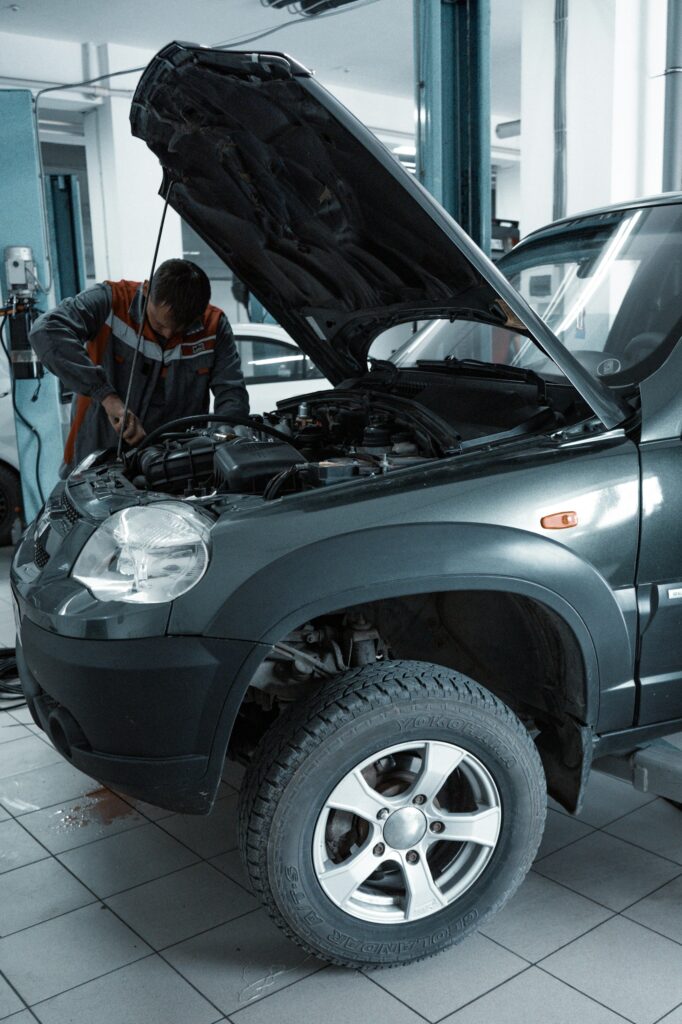
If you purchased or leased a vehicle in California and it repeatedly returns to the dealership for warranty repairs, you may have rights under the California Lemon Law.
California’s vehicle Lemon Law is part of the Song-Beverly Consumer Warranty Act, one of the state’s principal consumer warranty statutes. When a manufacturer cannot repair a qualifying vehicle to conform to its warranty after a reasonable number of attempts, the manufacturer may be required to replace the vehicle or repurchase it.
California’s law can provide substantial relief, but determining whether a vehicle qualifies involves more than simply counting repair visits. The type of defect, warranty coverage, number of repair attempts, days out of service, mileage, timing, and circumstances of the vehicle’s purchase or lease can all matter.
California also implemented significant new Lemon Law procedures beginning in 2025 for manufacturers that elect to use the state’s newer process.
Here is what California vehicle owners should know.
What Is the California Lemon Law?
The California Lemon Law is primarily contained within the Song-Beverly Consumer Warranty Act and the Tanner Consumer Protection Act.
For qualifying new motor vehicles, if the manufacturer or its representative cannot repair the vehicle to conform to the applicable express warranties after a reasonable number of attempts, California law generally requires the manufacturer to promptly:
- Replace the vehicle; or
- Make restitution to the buyer.
Importantly, the consumer may choose restitution instead of accepting a replacement vehicle.
California’s Attorney General summarizes the law similarly: a manufacturer may have to buy back or replace a covered vehicle when a warranty problem substantially impairs its use, value, or safety and cannot be repaired after a reasonable number of attempts.
What Vehicles Are Covered by California Lemon Law?
California law generally covers qualifying new motor vehicles bought or used primarily for personal, family, or household purposes.
Certain vehicles used primarily for business purposes can also qualify when the vehicle weighs under 10,000 pounds and the business has no more than five motor vehicles registered in California.
The statutory definition can include:
- Cars
- Pickup trucks
- SUVs
- Vans
- Dealer-owned vehicles
- Demonstrator vehicles
- Certain portions of motor homes
The California statute expressly excludes motorcycles from the statutory definition of a “new motor vehicle” used for this particular Lemon Law provision, although motorcycles may have other warranty rights under California law.
Because vehicle classification matters, owners of motorcycles, RVs, commercial vehicles, or other unusual vehicles should have their specific warranty rights evaluated rather than assuming the ordinary passenger-car rules apply.
What Makes a Vehicle a Lemon in California?
California does not simply declare a vehicle a lemon because it has needed several repairs.
A qualifying nonconformity is generally a warranty problem that substantially impairs the vehicle’s:
- Use
- Value
- Safety
The problem must also fall within the applicable warranty protections.
Potential Lemon Law defects can involve:
- Transmission problems
- Engine defects
- Loss of acceleration
- Stalling
- Steering problems
- Brake failures
- Electrical defects
- EV battery or charging problems
- Repeated warning lights
- Infotainment or electronic failures that substantially affect use or value
- Water intrusion
- Safety-system problems
- Other significant warranty defects
Whether a particular defect qualifies depends on its seriousness and the complete repair history.
How Many Repair Attempts Are Required in California?
There is no absolute rule that every California Lemon Law case requires exactly four repair attempts.
However, California has a rebuttable Lemon Law presumption that can help consumers establish that a reasonable number of attempts occurred.
The presumption can apply when certain events occur within the first:
18 months after delivery or 18,000 miles, whichever occurs first.
One route to the presumption exists when the same nonconformity has been repaired four or more times and still has not been fixed.
Another applies to certain serious safety problems after fewer repair attempts.
California’s Attorney General emphasizes that these are presumptions rather than mandatory requirements for every possible claim.
That distinction is important.
A vehicle does not necessarily lose all Lemon Law protection simply because the fourth repair occurred after 18,000 miles.
The presumption and the broader obligation to repair a warranted vehicle after a reasonable number of attempts are related but distinct concepts.
What Is California’s Two-Repair Safety Rule?
California provides a stronger presumption for certain dangerous defects.
If the same problem is likely to cause death or serious bodily injury if the vehicle is driven, the Lemon Law presumption may apply after the defect has been subject to repair two or more times, assuming the other statutory requirements are satisfied.
The statute also contains a manufacturer-notice requirement for this presumption when the manufacturer properly disclosed that requirement in the warranty or owner’s manual.
Potentially serious defects could involve problems affecting:
- Braking
- Steering
- Vehicle control
- Sudden loss of power
- Fire risk
- Other severe safety conditions
Whether a particular malfunction satisfies the statutory standard depends on the facts.
What Is California’s 30-Day Lemon Law Rule?
A vehicle’s time out of service can also establish the statutory presumption.
California provides that a reasonable number of attempts may be presumed when the vehicle has been out of service for warranty repairs for a cumulative total of more than 30 calendar days after delivery.
Those days do not have to occur consecutively.
For example:
- First repair: 11 days
- Second repair: 9 days
- Third repair: 13 days
The total would exceed 30 days.
California law allows the 30-day period to be extended when repairs cannot be performed because of circumstances beyond the control of the manufacturer or its agents.
Consumers should therefore keep documents showing exactly when their vehicle entered and left the dealership.
Does the Same Defect Have to Appear on Every Repair Order?
Not necessarily in identical words.
A dealership may describe a recurring problem differently during different repair visits.
For example:
Repair 1: “Vehicle hesitates when accelerating.”
Repair 2: “Transmission jerking.”
Repair 3: “Loss of power during acceleration.”
Repair 4: “Customer states vehicle shudders and will not accelerate normally.”
Those entries could potentially relate to the same underlying issue.
Consumers should describe the actual symptoms consistently rather than attempting to diagnose the mechanical cause themselves.
What Can You Receive Under California Lemon Law?
When a qualifying vehicle cannot be repaired after a reasonable number of attempts, California law generally provides two principal remedies:
Vehicle Replacement
The manufacturer may replace the defective vehicle with a new motor vehicle substantially identical to the original.
The manufacturer is also generally responsible for certain taxes, registration charges, official fees, and qualifying incidental damages.
However, California law makes clear that the consumer cannot be forced to accept a replacement.
Vehicle Repurchase
The consumer may instead elect restitution.
California law generally requires restitution based on the actual price paid or payable for the vehicle, including certain manufacturer-installed options, taxes, license fees, registration fees, and qualifying incidental damages.
The manufacturer may receive a statutory deduction for the consumer’s use of the vehicle before the first qualifying repair attempt.
How Does the California Lemon Law Mileage Deduction Work?
California has a statutory formula for determining the amount attributable to the consumer’s use of the vehicle before the relevant defect was first presented for repair.
The statute generally uses:
Miles driven before the first qualifying repair ÷ 120,000 × actual vehicle price
as the basis for the use deduction.
For example, if the relevant defect was first presented for repair relatively early in ownership, the deduction may be substantially smaller than if the vehicle accumulated significant mileage before the first repair.
The actual calculation can become more complicated depending on the purchase agreement and other charges.
Consumers reviewing a buyback offer should therefore verify the proposed mileage deduction carefully.
What Other Expenses Can Be Included in a California Lemon Law Buyback?
California’s statute recognizes certain collateral and incidental expenses.
Depending on the circumstances, restitution can potentially involve:
- Vehicle purchase price
- Manufacturer-installed options
- Sales or use tax
- Registration fees
- License fees
- Other official charges
- Reasonable repair costs
- Towing expenses
- Rental-car expenses
The exact amount depends on the particular transaction and legally recoverable damages.
Does California Lemon Law Cover Leased Vehicles?
Yes.
California’s new-motor-vehicle warranty protections extend to qualifying lessees.
Someone leasing a defective vehicle should therefore preserve the same documentation as a vehicle purchaser.
Keep:
- Lease agreement
- Warranty
- Repair orders
- Payment records
- Manufacturer communications
- Dealership correspondence
What About Used Vehicles?
Used-vehicle warranty rights in California require careful analysis.
California’s Attorney General notes that Lemon Law protections can apply to certain used vehicles sold with a manufacturer’s new-car warranty. But whether a particular used vehicle qualifies can depend on the warranty accompanying the transaction and other facts.
Consumers with used vehicles may also have other warranty or consumer-law claims even when the vehicle does not qualify for the same statutory protections as a new vehicle.
Do not assume:
“Used car means no warranty rights.”
But likewise, do not assume every used car qualifies for a manufacturer buyback.
California’s Lemon Law Procedures Changed
California has recently changed the procedures governing some Lemon Law disputes.
Under legislation known as AB 1755 and SB 26, vehicle manufacturers can elect to participate in a newer statutory process.
The California Department of Consumer Affairs explains that manufacturers now generally fall into one of several procedural categories, including manufacturers that opt into the newer AB 1755/SB 26 process and manufacturers that continue under the existing California Lemon Law framework.
That means the precise pre-lawsuit procedure can depend on the manufacturer involved.
What Is the New California Lemon Law Notice?
For manufacturers that have elected to participate in the newer process, California law creates important pre-litigation notice procedures.
Among other requirements, a consumer seeking certain civil penalties must generally notify the manufacturer at least 30 days before filing suit.
The notice includes:
- Consumer’s name
- Accurate VIN
- Brief summary of repair history
- Description of vehicle problems
- Demand for repurchase or replacement
The notice can generally be sent to the designated manufacturer email address or by certified or registered mail as provided by law.
Because these procedures are relatively new and manufacturer participation matters, consumers should verify which rules apply before filing a claim.
What Happens After the New Notice?
Under the newer opt-in procedure, a manufacturer that receives the required notice can make a restitution or replacement offer within 30 days.
If the manufacturer makes the appropriate offer and completes the restitution or replacement within the statutory 60-day period, that can affect the consumer’s ability to pursue certain civil penalties.
California also requires consumers to cooperate in good faith with reasonable requests for documents needed to complete the transaction.
These new rules make accurate pre-litigation procedure particularly important.
Does California Have Lemon Law Arbitration?
California’s Department of Consumer Affairs administers an Arbitration Certification Program that certifies and monitors manufacturer arbitration programs.
Not every manufacturer has a state-certified program.
For qualifying programs, arbitration can provide a no-cost process through which consumers and manufacturers attempt to resolve warranty disputes outside court.
Whether arbitration must be used before a consumer can rely on certain statutory presumptions depends on the circumstances and whether the manufacturer has a qualifying program and provided the required notice.
Can You Recover Attorney’s Fees in California?
California’s Song-Beverly Consumer Warranty Act contains provisions allowing successful consumers to seek reasonable attorney’s fees and costs in qualifying cases.
That can make Lemon Law representation more accessible because legal fees may potentially be recoverable from the manufacturer rather than being paid entirely from the consumer’s recovery.
Consumers should nevertheless read their attorney-client agreement carefully.
No one should assume every case is automatically “free.”
What Records Should You Keep?
If you believe your vehicle may qualify under California Lemon Law, gather:
- Purchase or lease contract
- Manufacturer warranty
- Every repair order
- Service invoices
- Registration
- Loan or lease records
- Manufacturer correspondence
- Dealership emails and texts
- Photographs and videos
- Towing receipts
- Rental-car records
- Current mileage
Create a chronological repair timeline showing:
- Date of each repair
- Mileage
- Symptoms reported
- Work performed
- Days out of service
- Whether the defect returned
Do Not Wait for the Dealer to Call Your Vehicle a Lemon
A dealer does not decide whether your vehicle legally qualifies as a lemon.
The manufacturer may never voluntarily use the word “lemon.”
Your rights depend on the warranty, repair history, applicable law, and facts.
If the same significant defect continues after repeated warranty repairs—or your vehicle has accumulated significant time out of service—consider evaluating your rights before additional mileage and time accumulate.
California Lemon Law Can Provide Significant Relief
California provides substantial warranty protections for consumers with qualifying defective vehicles.
Depending on the circumstances, available relief may include:
- Manufacturer repurchase
- Replacement vehicle
- Taxes and registration charges
- Certain towing, rental, and repair expenses
- Attorney’s fees and costs
- Other available warranty remedies
California’s newer procedural rules make it particularly important to determine which process applies to the manufacturer before pursuing litigation.
If your vehicle continues experiencing significant warranty problems, preserve every repair order and consider having the complete repair history reviewed.
This article provides general consumer information and is not legal advice. California Lemon Law requirements, procedural rules, manufacturer elections, remedies, and deadlines can change and depend on the individual facts of each case.