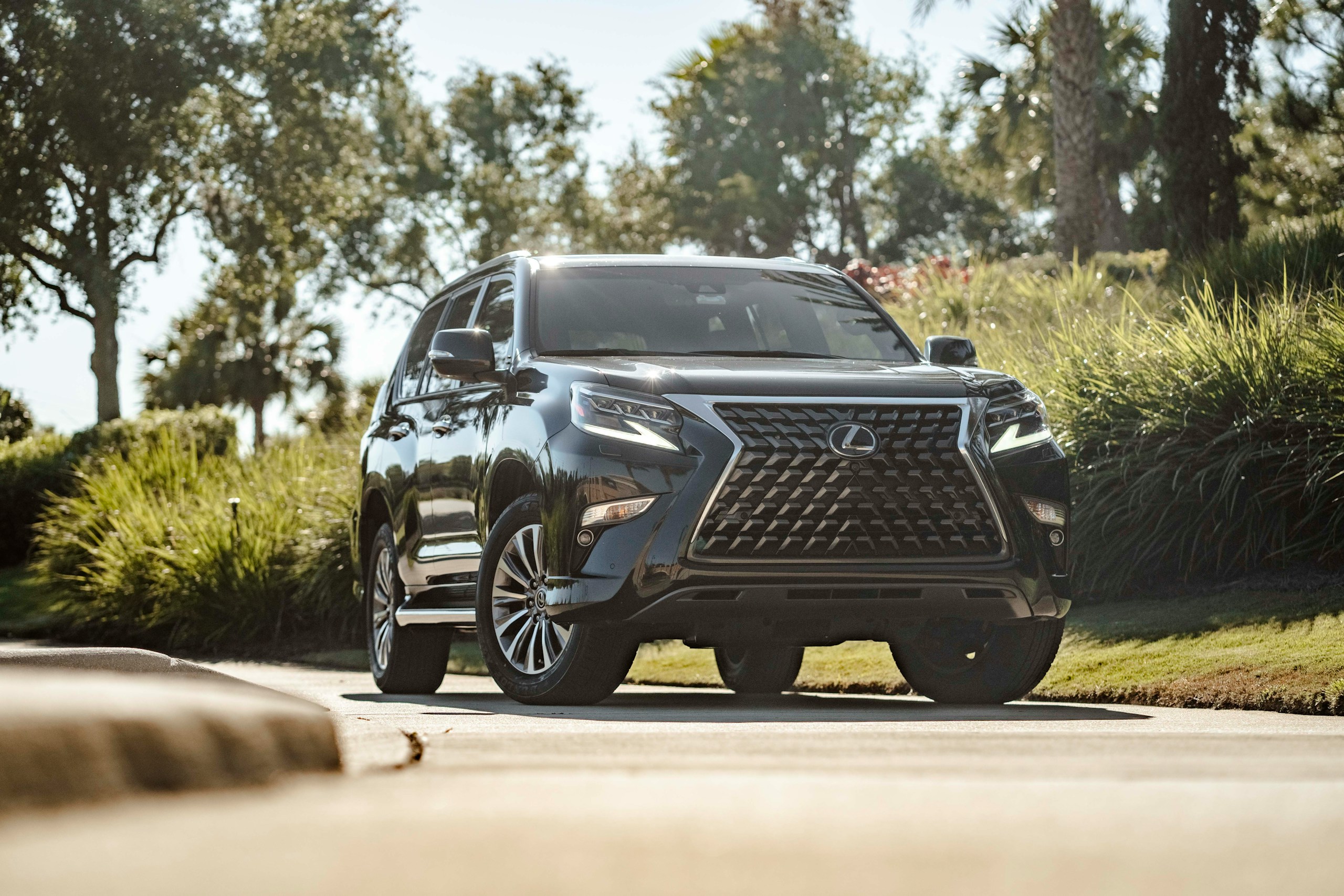
From BMW’s latest X5 to hydrogen-powered vehicles and electric SUVs, today’s technology is changing the driving experience—but consumers still deserve vehicles that perform as promised.
Luxury SUVs have never been more advanced.
BMW has recently been making headlines on several fronts. Automotive reviewers are debating whether the newest BMW X5 has become more refined for everyday driving at the expense of some off-road capability. At the same time, BMW continues developing its innovative iX5 Hydrogen while investing $1.7 billion to expand electric vehicle production in South Carolina, signaling the company’s long-term commitment to next-generation transportation.
These developments reflect a larger trend across the automotive industry.
Today’s SUVs aren’t just vehicles—they’re sophisticated computers on wheels, packed with cutting-edge electronics, advanced safety systems, artificial intelligence, wireless software updates, and alternative powertrains.
Consumers benefit from these innovations every day.
But they also raise an important question:
As vehicles become more technologically advanced, are they still designed for the way consumers actually drive—and what happens when that technology doesn’t work?
The Modern SUV Has Evolved
Twenty years ago, SUVs were often designed with rugged utility in mind.
Many featured:
- Body-on-frame construction
- Two-speed transfer cases
- Heavy-duty suspensions
- Mechanical four-wheel-drive systems
- Minimal electronics
Today’s luxury SUVs are very different.
Manufacturers now compete by offering:
- Massive touchscreen displays
- Digital instrument clusters
- Adaptive suspension
- Driver-assistance technology
- Semi-autonomous driving features
- Wireless software updates
- Smartphone integration
- Premium interiors
- Electrified drivetrains
For most buyers, these improvements make perfect sense.
After all, the majority of SUVs spend their lives commuting, transporting families, and taking road trips—not climbing rocky mountain trails.
Technology Is Changing Consumer Expectations
Today’s buyers expect their vehicles to function much like smartphones.
They expect:
- Instant connectivity
- Seamless software
- Continuous updates
- Voice controls
- Navigation
- Remote access through mobile apps
Manufacturers have responded by building increasingly sophisticated vehicles.
Unfortunately, greater complexity can also create more opportunities for problems.
More Features Mean More Things Can Go Wrong
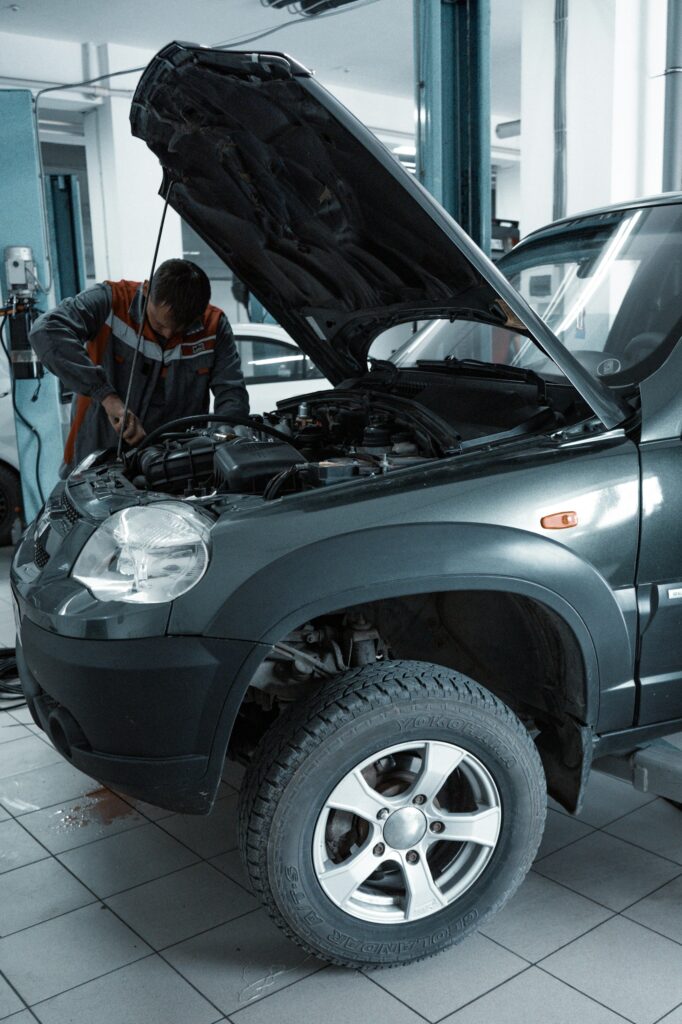
Modern luxury vehicles contain dozens of computers that control nearly every aspect of the driving experience.
Potential issues may involve:
- Infotainment systems
- Electronic door systems
- Air suspension
- Driver-assistance sensors
- Cameras
- Radar modules
- Battery management
- Charging systems
- Navigation software
- Digital displays
Unlike older vehicles, many repairs now involve software diagnostics rather than replacing traditional mechanical parts.
Innovation Shouldn’t Come at the Expense of Reliability
Consumers understandably become excited about new automotive technology.
Hydrogen vehicles.
Electric SUVs.
Autonomous driving systems.
Over-the-air software updates.
These developments are transforming transportation.
However, innovation does not eliminate a manufacturer’s responsibility to build reliable vehicles.
Whether you spend $40,000 or $140,000 on a new SUV, you have every right to expect that it will function safely and reliably.
Marketing Creates Expectations
Automotive advertisements often show SUVs:
- Driving through rivers
- Climbing mountain trails
- Crossing deserts
- Navigating snowstorms
- Towing heavy trailers
Those images help create excitement.
They also shape consumer expectations.
Before purchasing a new vehicle, it’s important to understand exactly what you’re buying.
Ask questions about:
- Standard equipment
- Optional packages
- Drivetrain configurations
- Towing capacity
- Ground clearance
- Tire selection
- Battery range
- Charging capabilities
Understanding these details before purchase can prevent disappointment later.
When Is It Just Buyer’s Remorse?
Not every disappointing ownership experience creates a legal claim.
Perhaps your new SUV:
- Rides differently than expected.
- Doesn’t feel as capable off-road as an earlier model.
- Has less cargo space than anticipated.
- Uses more fuel than you hoped.
Those situations can certainly be frustrating.
However, they generally do not qualify as lemon law claims.
The law typically protects consumers from defects—not differences in personal preference.
When Does a Vehicle Become a Lemon?
The situation changes when your vehicle repeatedly develops problems that the manufacturer cannot repair.
Examples include:
- Battery failures
- Charging problems
- Electrical malfunctions
- Engine defects
- Transmission issues
- Persistent warning lights
- Software failures
- Suspension defects
- Safety system malfunctions
Most state lemon laws protect consumers when:
- A substantial defect exists.
- The defect affects the vehicle’s use, value, or safety.
- The manufacturer has been given a reasonable opportunity to repair it.
- The defect continues despite multiple repair attempts or the vehicle spends an excessive amount of time out of service.
Electric and Hydrogen Vehicles Receive Legal Protection Too
Some consumers mistakenly believe that because electric and hydrogen vehicles represent newer technology, manufacturers receive more flexibility when problems occur.
That’s generally not the case.
Consumers purchasing:
- Electric vehicles
- Plug-in hybrids
- Hydrogen-powered vehicles
- Luxury SUVs
- Traditional gasoline vehicles
are all generally protected by the same fundamental warranty principles.
If warranty-covered defects cannot be successfully repaired, consumers may have legal remedies available.
The Magnuson-Moss Warranty Act
Many people have heard of lemon laws but are unfamiliar with the Magnuson-Moss Warranty Act.
This federal law protects consumers when manufacturers fail to honor written warranties.
In some situations, it provides remedies even when a vehicle does not qualify under a particular state’s lemon law.
This can be especially important for consumers experiencing recurring software, electrical, or technology-related problems.
Documentation Matters
If your vehicle repeatedly develops the same issue, keep detailed records.
Save:
- Every repair order.
- Service invoices.
- Emails with the dealership.
- Mobile app error messages.
- Dashboard warning photographs.
- Videos demonstrating the defect.
- Notes describing when problems occur.
The better your documentation, the easier it may be to establish a pattern of recurring defects.
Research Before You Buy
Before purchasing any new vehicle, especially one featuring emerging technology, consider researching:
- Long-term reliability
- Recall history
- Technical Service Bulletins (TSBs)
- Warranty coverage
- Common owner complaints
- Repair availability
- Dealer experience with the technology
Spending an extra hour researching before buying can save months of frustration later.
The Future of Driving Is Bright—But Consumer Rights Still Matter
There is no question that the automotive industry is entering one of its most exciting periods in history.
Electric drivetrains, hydrogen fuel cells, advanced driver assistance systems, and connected vehicles promise cleaner transportation, greater convenience, and remarkable technological achievements.
But no matter how sophisticated vehicles become, one principle should never change:
Consumers deserve products that perform as promised.
Manufacturers should continue pushing innovation—but they should also stand behind their products when defects arise.
The Bottom Line
BMW’s recent headlines—from discussions about the newest X5 to continued investment in hydrogen technology and electric vehicle manufacturing—demonstrate how quickly the automotive industry is evolving. Today’s luxury SUVs offer unprecedented levels of technology, comfort, and performance, but increased sophistication also brings new challenges involving software, electronics, batteries, and advanced vehicle systems.
Whether you drive a luxury SUV, an electric vehicle, a hybrid, or a traditional gasoline-powered car, you have the right to expect that your vehicle will be safe, reliable, and repaired when warranty-covered problems occur. If your new vehicle repeatedly experiences defects that substantially affect its use, value, or safety, you may have important rights under your state’s lemon law and the federal Magnuson-Moss Warranty Act.
Ginsburg Law Group, P.C. represents consumers in warranty and lemon law claims involving luxury vehicles, electric vehicles, hybrids, trucks, SUVs, and passenger cars. If your new vehicle has spent more time in the service department than on the road, our experienced attorneys can help you understand your rights and determine whether you may be entitled to relief under state or federal law.