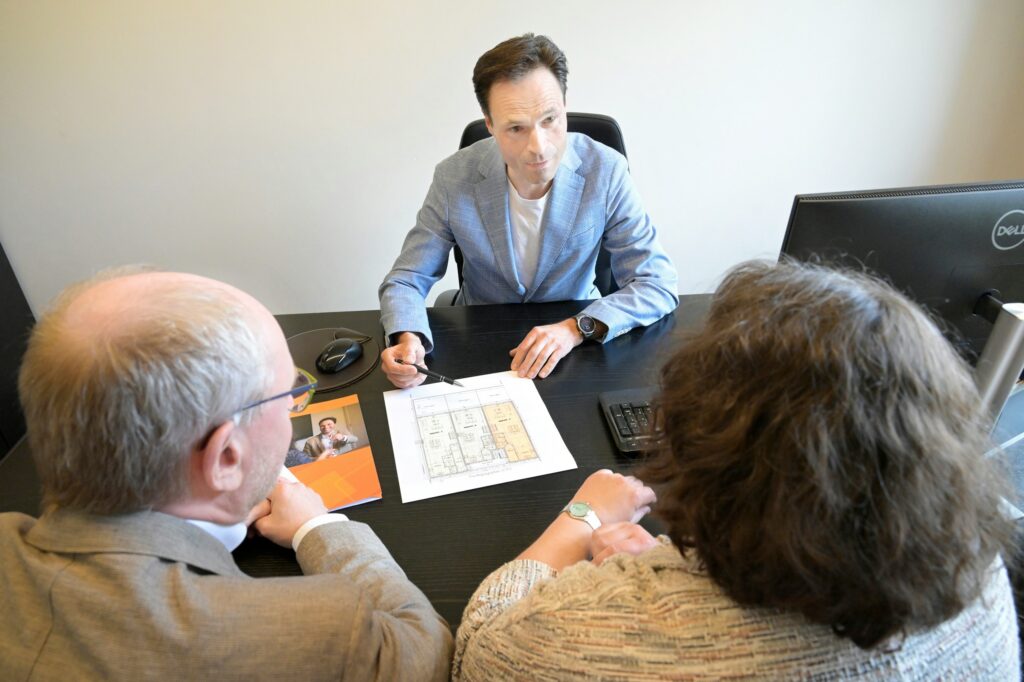
Estate planning isn’t just for the wealthy
Many people put off estate planning because they assume it’s only for older adults or high-net-worth families. In reality, estate planning is about:
- Making sure someone can help you if you’re incapacitated
- Reducing confusion and conflict
- Protecting children and dependents
- Making your wishes clear
The right plan depends on your family, your assets, and your state’s rules. But there are a few core documents many families consider.
The “starter set” of estate planning documents
1) Will
A will typically addresses:
- Who receives your property
- Who serves as executor/personal representative
- Guardianship nominations for minor children
A will does not automatically avoid probate, but it can provide structure and clarity.
2) Durable power of attorney
This document can allow someone you trust to handle financial and legal matters if you can’t.
Examples:
- Paying bills
- Managing accounts
- Signing documents
3) Health care power of attorney / health care proxy
This names someone to make medical decisions if you can’t communicate.
4) Advance directive / living will
This can outline your preferences about end-of-life care.
5) HIPAA authorization
This can allow your chosen people to receive medical information.
When a trust may come into the conversation
Trusts can be useful in many situations, including:
- Minor children
- Blended families
- Special needs planning
- Privacy concerns
- Multi-state property
But trusts aren’t one-size-fits-all. They require careful drafting and funding (moving assets into the trust), and they can take longer to prepare.
What to gather before you meet with an estate planning attorney
Coming prepared can save time and reduce back-and-forth.
Document and information checklist
- Full legal names, addresses, and dates of birth for key people
- Marriage/divorce documents (if applicable)
- Children’s information
- List of assets:
- Real estate
- Bank accounts
- Retirement accounts
- Life insurance
- Vehicles
- Business interests
- Existing beneficiary designations (retirement, life insurance)
- Existing estate planning documents (if any)
- List of debts and obligations
- Your top goals (e.g., “protect kids,” “avoid conflict,” “keep things simple”)
Practical tips to avoid delays
- Decide who you trust to serve in key roles (executor, agent, health proxy)
- Make sure those people are willing
- Keep your documents in one secure place
- Tell your trusted person where the documents are stored
Common myths
Myth 1: “My family will just figure it out.”
Even close families can struggle without clear documents.
Myth 2: “A will covers everything automatically.”
Some assets pass by beneficiary designation, not by will.
Myth 3: “Estate planning is a one-time task.”
Plans often need updates after marriage, divorce, births, deaths, moves, or major asset changes.
If you’ve been meaning to get your estate plan in place, you don’t have to do it all at once. Start with the basics and build from there. Get a free case evaluation with Ginsburg Law Group, PC to discuss what documents make sense for your family.