For generations, the American justice system has relied on a simple assumption: if you are sued, cited, summoned, or required to appear in court, you can physically get there. That assumption may have made sense decades ago when families had one income earner, more flexible employment structures, and communities were more geographically connected to local courthouses. But today, for millions of Americans — especially low-income workers, single parents, seniors, disabled individuals, and hourly employees — that assumption is no longer realistic.
And yet our court systems continue to operate as though everyone has equal access to transportation, paid time off, childcare, legal representation, and flexible work schedules.
They do not.
The result is devastating. Every day across the country, people lose cases not because they lack defenses, not because they acted irresponsibly, and not because justice was fairly evaluated — but because they could not physically appear in court.
The consequences are severe: default judgments, wage garnishments, frozen bank accounts, damaged credit, mounting stress, and deeper poverty. The system punishes people not for wrongdoing, but for being poor, overworked, elderly, or isolated.
Virtual court access through Zoom and similar technology changed that reality during the pandemic. For a brief moment, the justice system became more accessible. More people could appear. More people could participate. More people could explain their circumstances, defend themselves, negotiate settlements, and engage meaningfully in the process.
And then, in many jurisdictions, those opportunities began disappearing.
As courts scale back remote participation, we must ask ourselves an uncomfortable question:
Why are we making justice harder to access again?
The Reality for Single Mothers Working Multiple Jobs
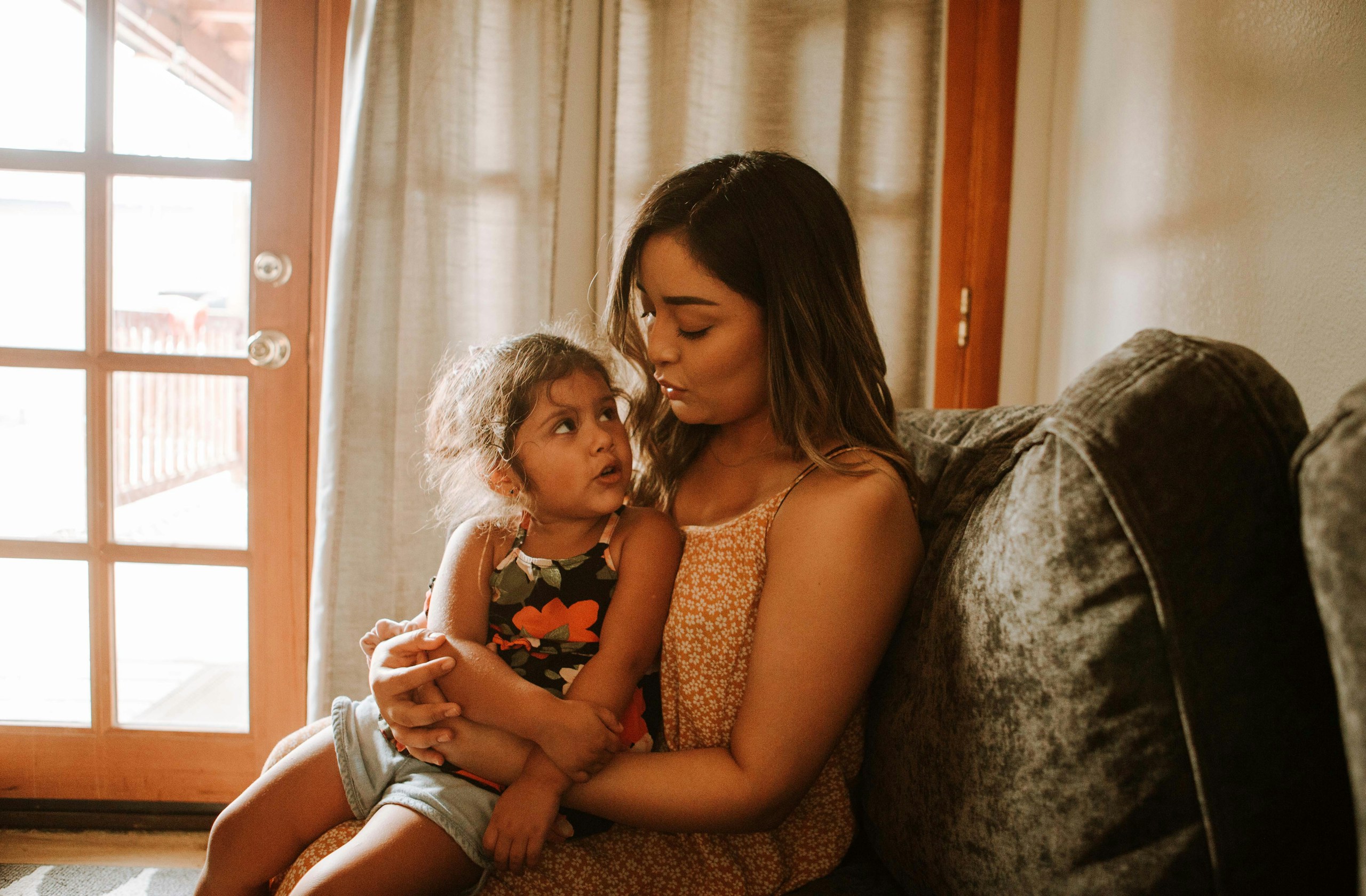
Imagine a single mother working two hourly jobs.
She may work mornings at a daycare center and evenings at a restaurant. She likely has no paid vacation days. If she misses work, she does not get paid. Missing one shift might mean missing rent money, grocery money, or a utility payment.
Now imagine she receives notice that she has a debt collection hearing scheduled at 9:00 a.m. on a weekday.
To attend in person, she may have to:
- Arrange childcare
- Find transportation
- Miss several hours of work
- Lose wages
- Risk disciplinary action from an employer
- Potentially lose her job altogether if absences accumulate
For someone living paycheck to paycheck, these are not minor inconveniences. They are impossible choices.
Does she go to court and lose income needed to feed her children?
Or does she skip court and risk a default judgment?
Too often, the system treats her absence as indifference. But absence does not equal apathy. Absence often reflects structural barriers.
If that same hearing were available by Zoom, she might be able to step into a break room, log on from her phone, participate for fifteen minutes, and return to work. She could explain her circumstances. She could dispute inaccurate records. She could negotiate a payment arrangement. She could ask questions.
Most importantly, she could participate.
That is what justice requires: participation.
Seniors Face Different but Equally Serious Barriers
Now consider the experience of senior citizens.
Many elderly individuals no longer drive. Some rely on family members, medical transport, or limited public transit. Others live in rural areas where transportation options barely exist.
A seventy-eight-year-old widow receiving Social Security may receive notice of a court hearing related to medical debt, consumer debt, housing issues, or financial disputes. She may have mobility limitations, chronic illnesses, vision impairment, or cognitive challenges.
Yet the expectation remains the same: appear in person at the courthouse.
For many seniors, this is not merely difficult — it is inaccessible.
Should elderly individuals have to navigate buses, taxis, icy sidewalks, parking garages, and courthouse security just to preserve their rights?
Why should a person’s ability to access justice depend on whether they can physically travel?
Virtual court appearances offer a humane alternative. Seniors can participate from their homes, assisted living facilities, libraries, or family residences. They can speak to judges and mediators without risking falls, transportation complications, or physical exhaustion.
This is not lowering standards. It is modernizing access.
Default Judgments Have Become the Default
One of the most troubling realities in consumer debt litigation is how common default judgments have become.
In many debt collection courts, defendants fail to appear in overwhelming numbers. Cases proceed quickly. Judgments are entered. Garnishments follow.
But we must ask an important question:
Why are so many people failing to appear?
The traditional answer has often been framed as personal responsibility. People should show up. People should take obligations seriously. People should manage their debts.
But that explanation ignores the realities of modern economic hardship.
Many individuals facing collection lawsuits are already struggling financially. They are balancing rent, food, healthcare, childcare, and transportation. They may not understand the legal paperwork. They may be intimidated by the court system. They may not have legal representation. They may not even fully understand that failing to appear results in an automatic judgment.
Most importantly, many simply cannot afford to miss work or arrange transportation.
The justice system often interprets nonappearance as a refusal to participate when, in reality, it is often evidence that participation has become inaccessible.
If courts truly wanted participation, they would remove barriers to participation.
Virtual hearings are one of the clearest and easiest ways to do that.
Technology Already Exists — So Why Aren’t We Using It?
The pandemic forced courts to adapt quickly. Suddenly, hearings, mediations, conferences, and even trials occurred virtually.
And something remarkable happened:
- Appearance rates improved in many jurisdictions
- Litigants saved money
- Courts became more efficient
- Scheduling became easier
- Transportation barriers disappeared
- Parents could attend while caring for children
- Disabled individuals gained greater access
- Attorneys and judges handled matters more efficiently
The sky did not fall.
In fact, many participants reported that virtual proceedings increased fairness and accessibility.
So why are some courts retreating from remote access?
Part of the answer lies in tradition. Court systems are historically slow to change. Many institutions equate physical presence with seriousness and legitimacy.
But justice should not be performative.
A person should not have to prove the importance of their case by sacrificing wages, risking employment, or traveling long distances when technology offers a safe and effective alternative.
We conduct medical appointments remotely. We attend school remotely. Businesses negotiate contracts remotely. Government agencies process benefits remotely.
Why should access to justice remain trapped in outdated logistical models?
Economic Inequality Shapes Court Access
It is easy to say, “Everyone has obligations.”
But obligations do not exist equally.
A salaried professional with paid vacation time, reliable transportation, and financial stability experiences court appearances very differently than an hourly worker living paycheck to paycheck.
A wealthy litigant can:
- Hire counsel
- Pay for parking
- Take time off work
- Arrange childcare
- Travel comfortably
- Absorb financial interruptions
A low-income litigant may face impossible tradeoffs for every one of those steps.
Equality under the law means little if only some people can realistically access the system.
The justice system cannot ignore the economic realities shaping participation.
When courts insist exclusively on in-person appearances without flexibility, they unintentionally create a two-tiered system:
- One for people with resources
- Another for people struggling to survive
That is not equal justice.
Garnishments and Bank Levies Deepen Poverty
Once default judgments are entered, the consequences often spiral rapidly.
Wage garnishments reduce already limited income. Bank levies freeze accounts containing rent money, utility payments, or grocery funds. Credit damage creates long-term barriers to housing, employment, and financial recovery.
These enforcement tools can trap families in cycles of poverty.
And yet many of these judgments may never have occurred if people had realistic opportunities to participate in the first place.
What if a single mother could have appeared virtually and negotiated a manageable payment arrangement?
What if a senior citizen could have explained that the debt was inaccurate?
What if mediation had been available remotely before judgment entered?
The system too often escalates punishment before ensuring meaningful access.
Justice should prioritize resolution, communication, and participation — not procedural traps that disproportionately harm vulnerable populations.
Mediation and Remote Resolution Should Be Expanded
One of the most promising uses of virtual technology is remote mediation.
Many consumer disputes do not require lengthy courtroom battles. Often, both parties simply need an opportunity to communicate, exchange information, and discuss solutions.
Virtual mediation can:
- Reduce court congestion
- Increase participation
- Lower costs
- Improve outcomes
- Create realistic payment arrangements
- Resolve misunderstandings
- Avoid unnecessary judgments
Most importantly, remote mediation respects people’s time and circumstances.
A working parent should not have to spend an entire day in court over a matter that could be resolved in a thirty-minute Zoom conference.
Courts should actively expand accessible remote mediation programs, particularly in consumer debt, landlord-tenant, and small claims matters where barriers to appearance are especially severe.
Accessibility Is Not About Excuses — It Is About Fairness
Critics sometimes argue that virtual access enables irresponsibility or reduces accountability.
But accessibility is not the same as avoiding responsibility.
Making participation easier does not erase obligations. It simply ensures people can meaningfully engage with the system deciding their rights.
There is a profound difference between:
- Refusing to participate
and - Being unable to participate
The justice system must recognize that distinction.
No one benefits when cases are resolved through silence, default, and procedural barriers rather than genuine engagement.
Courts should want litigants to appear. They should want participation. They should want communication. They should want negotiated outcomes when appropriate.
Virtual access helps achieve those goals.
Justice Must Evolve With Society
The legal system often speaks proudly about equal justice under law. But equality requires more than theoretical rights. It requires practical access.
A courtroom may technically be open to everyone, but if participation requires transportation, unpaid leave, childcare, technological literacy, and financial flexibility, then access is not truly equal.
Modern technology gives us the ability to reduce those barriers dramatically.
We should use it.
That does not mean every proceeding must be virtual. Some matters require in-person testimony, evidence presentation, or credibility determinations. But many routine hearings, conferences, and consumer matters can be handled effectively online.
Flexibility should be the rule, not the exception.
Courts should ask:
- Does requiring physical presence improve fairness?
- Or does it merely exclude vulnerable participants?
Too often, the answer is the latter.
A Better System Is Possible
Imagine a court system designed around accessibility rather than inconvenience.
A system where:
- Single parents can appear remotely without losing critical wages
- Seniors can participate without transportation barriers
- Disabled individuals can engage without physical hardship
- Litigants receive accessible mediation opportunities
- Courts prioritize participation over default
- Technology is used to expand fairness rather than restrict it
This is not a radical vision.
It is achievable right now.
The tools already exist. The technology already works. The only question is whether we are willing to prioritize accessibility as a core principle of justice.
Conclusion
The true measure of a justice system is not how efficiently it processes paperwork. It is how fairly it treats the people with the least power, the fewest resources, and the greatest barriers.
When courts rely heavily on in-person appearances without meaningful virtual alternatives, vulnerable individuals pay the price. Single mothers lose wages. Seniors lose access. Working families lose opportunities to defend themselves. Default judgments multiply. Garnishments deepen poverty.
And all of it happens under the banner of procedural fairness.
We can do better.
Virtual court access is not about convenience alone. It is about participation. It is about dignity. It is about recognizing that justice should not depend on whether someone owns a car, has paid vacation days, or can afford to miss work.
If we truly believe in equal access to justice, then we must build systems that allow everyone to participate fairly.
Not just the people who can afford to.
broaden this – what other examples other than single moms and seniors??
Other powerful examples to broaden the piece include individuals and communities that face structural barriers which courts often overlook because the legal system still assumes everyone has equal mobility, flexibility, education, and resources. Expanding beyond single mothers and seniors will make the article feel more systemic and less limited to two categories. Here are strong examples and angles you can incorporate:
People With Disabilities and Chronic Illnesses
Many individuals live with physical disabilities, chronic pain, autoimmune disorders, neurological conditions, or mental health disabilities that make travel extraordinarily difficult.
For someone with:
- Multiple sclerosis
- Lupus
- Severe arthritis
- Long COVID
- PTSD
- Anxiety disorders
- Mobility impairments
an in-person court appearance may require days of planning, medical accommodations, specialized transportation, or physical recovery afterward.
A person should not have to choose between preserving their health and preserving their legal rights.
Virtual appearances allow disabled individuals to participate with dignity while reducing physical hardship and unnecessary stress.
Rural Communities With Limited Transportation
Many Americans live far from courthouses. Rural litigants may need to:
- Drive hours to court
- Arrange rides
- Pay for gas they cannot afford
- Miss entire workdays
- Navigate unreliable public transportation systems that barely exist
For low-income rural residents, a court appearance can consume an entire day’s income.
Justice should not depend on geography.
A virtual system can bridge enormous access gaps for people living far from legal institutions.
Caregivers Beyond Parents
Not all caregivers are parents of young children.
Many people care for:
- Disabled spouses
- Aging parents
- Medically fragile family members
- Children with special needs
- Grandchildren
Taking a full day to appear in court may mean:
- Paying for substitute care
- Leaving vulnerable individuals unattended
- Missing medical appointments
- Creating serious family hardship
Remote participation recognizes the realities of caregiving responsibilities that disproportionately affect women and low-income families.
Individuals Facing Language Barriers
For individuals with limited English proficiency, court systems are often intimidating and inaccessible.
Virtual systems can actually improve access by:
- Allowing interpreters to join remotely
- Providing translated materials digitally
- Reducing the chaos and confusion of crowded courtrooms
- Giving litigants greater comfort participating from familiar environments
People are more likely to meaningfully participate when they understand the process and feel less overwhelmed.
Victims of Domestic Violence
For survivors of abuse, appearing in person can be traumatic or dangerous.
Some individuals may:
- Fear encountering abusers in hallways
- Lack safe transportation
- Have partners monitoring their movements
- Face coercive control limiting their ability to attend court
Virtual proceedings can create safer opportunities for participation, especially in protective order matters, custody disputes, and financial proceedings.
Low-Wage Workers in General
You can broaden beyond single mothers to discuss:
- Warehouse workers
- Restaurant servers
- Home health aides
- Retail employees
- Delivery drivers
- Gig workers
- Construction laborers
Many hourly employees:
- Cannot simply “take time off”
- Risk termination for absences
- Lose critical overtime pay
- Work unpredictable schedules
- Have employers unwilling to accommodate court appearances
The justice system often functions as though everyone works salaried office jobs with flexibility. That assumption ignores how millions of Americans actually live and work.
Individuals Without Lawyers
People with legal representation often have someone appearing for them, guiding them, or explaining procedures.
Self-represented litigants face:
- Confusing paperwork
- Fear of courtrooms
- Lack of procedural understanding
- Intimidation by legal terminology
- Difficulty navigating courthouse systems
Virtual access can reduce intimidation and make participation feel more manageable for people already overwhelmed by the process.
Individuals Experiencing Financial Crisis
People sued in consumer debt cases are often already in crisis:
- Recently unemployed
- Recovering from illness
- Facing eviction
- Emerging from divorce
- Supporting family members
- Recovering from disasters
- Experiencing sudden medical expenses
The legal system frequently compounds those crises instead of accommodating them.
You can emphasize that missing court is often a symptom of hardship — not disregard for obligations.
Communities of Color and Historically Underserved Populations
You may carefully discuss how structural inequities intersect with court access:
- Transportation disparities
- Income inequality
- Unequal access to legal representation
- Historical distrust of institutions
- Digital divide concerns
You can frame this not as favoritism, but as recognizing that supposedly “neutral” systems often produce unequal outcomes when barriers are ignored.
Veterans
Some veterans face:
- PTSD
- Disabilities
- Transportation barriers
- Housing instability
- Difficulty navigating bureaucratic systems
Virtual access may dramatically improve participation for veterans already struggling to manage civilian systems after service.
Individuals Working Multiple Part-Time Jobs
Not everyone works one predictable schedule.
Many Americans patch together income through:
- Gig work
- Shift work
- Freelancing
- Multiple part-time jobs
Court systems typically operate during narrow weekday hours that conflict directly with how low-income individuals earn income.
Missing court may mean missing:
- Several jobs
- Multiple shifts
- Performance metrics
- Client opportunities
- Essential earnings
The Broader Theme to Tie Everything Together
You can elevate the article by emphasizing this central point:
The justice system was built around assumptions that no longer reflect how millions of Americans live.
It assumes people:
- Own reliable transportation
- Have flexible employment
- Can afford unpaid time off
- Have childcare
- Speak English fluently
- Are physically mobile
- Understand legal procedures
- Can hire lawyers
- Live near courthouses
Many do not.
And when systems fail to account for those realities, “equal access” becomes theoretical instead of real.
That broader framing will make the piece significantly more powerful and persuasive.
rewrite the article tying in these broader themes -go over 2000 words if needed
Justice Should Not Depend on a Car, a Vacation Day, or a Flexible Employer
For decades, the American court system has operated under an assumption so deeply embedded that most people rarely question it: if someone is sued, summoned, cited, or required to appear in court, they can simply show up.
But that assumption ignores the reality of how millions of Americans actually live.
It ignores the single mother working two hourly jobs with no paid time off. It ignores the senior citizen who no longer drives. It ignores the disabled veteran struggling with PTSD and mobility limitations. It ignores the warehouse employee who risks termination for missing a shift. It ignores rural residents who live hours from the courthouse. It ignores caregivers responsible for aging parents or medically fragile children. It ignores individuals who cannot afford lawyers, transportation, childcare, or even a lost day’s wages.
And when courts fail to recognize those realities, the consequences are devastating.
People lose cases not because they lack defenses, not because they acted irresponsibly, and not because a judge fully considered the merits of their situation — but because they could not physically access the system in the first place.
The result is a justice system where default judgments have become routine, wage garnishments become automatic, bank accounts are frozen, and vulnerable people fall deeper into financial crisis simply because participation itself has become inaccessible.
The technology to fix much of this already exists.
Zoom. Remote hearings. Virtual mediation. Online access.
For a brief period during the pandemic, courts across the country embraced these tools. Suddenly, people who had long been excluded from meaningful participation could appear remotely, explain their circumstances, negotiate resolutions, and engage with the legal process without sacrificing their livelihoods.
Then many courts began retreating from those changes.
The question we should be asking is simple:
Why are we making justice harder to access again?
The Myth of Equal Access
The legal system often speaks in terms of equality. Everyone has the same obligations. Everyone must follow the same procedures. Everyone has their day in court.
But equal rules do not create equal access when people begin from vastly different circumstances.
Consider two individuals summoned to the same debt collection hearing.
One is a salaried professional with a flexible schedule, paid vacation days, reliable transportation, and the financial ability to hire counsel.
The other is a single parent working hourly shifts at two different jobs, living paycheck to paycheck, with no childcare and no paid leave.
Technically, both have equal access to court.
In reality, they do not.
One person may view the hearing as an inconvenience. The other may see it as a financial catastrophe.
That difference matters.
The justice system cannot continue pretending that every litigant has the same ability to absorb lost wages, arrange transportation, navigate court procedures, or miss work without consequences.
Single Mothers and the Impossible Choice
Imagine a single mother working mornings at a daycare center and evenings at a restaurant.
She receives notice of a court hearing scheduled for 9:00 a.m. on a Tuesday.
To appear in person, she may need to:
- Miss work
- Lose wages
- Arrange childcare
- Pay for transportation
- Risk disciplinary action
- Potentially jeopardize her employment
For someone already struggling financially, those are not minor obstacles. They are impossible choices.
Does she attend court and lose money needed for rent or groceries?
Or does she skip court and risk a default judgment?
Too often, the system interprets nonappearance as irresponsibility or indifference. But many absences are not acts of avoidance. They are the direct result of structural barriers that make participation practically unattainable.
If that same hearing were available virtually, she might be able to log in during a break, appear remotely from work or home, explain her circumstances, and meaningfully participate in the process.
The difference between appearing and not appearing may be nothing more than access to Zoom.
Seniors Left Behind by an In-Person System
Now consider an elderly widow living on Social Security.
She no longer drives. Public transportation is limited. She has arthritis, difficulty walking long distances, and depends on neighbors or family members for rides.
She receives notice that she must appear in court regarding a consumer debt matter.
To many people, attending court may sound manageable. But for seniors, the barriers can be enormous:
- Transportation challenges
- Mobility limitations
- Medical conditions
- Fear of navigating unfamiliar buildings
- Physical exhaustion
- Increased health risks
And yet courts frequently continue operating as though physical appearance presents the same burden to everyone.
Virtual appearances allow seniors to participate safely and meaningfully from their homes, assisted living facilities, libraries, or community centers.
Justice should not depend on whether someone can physically travel to a courthouse.
The Reality of Low-Wage Work in America
Many judges, attorneys, policymakers, and court administrators work salaried jobs with predictable schedules and paid leave.
Millions of Americans do not.
Low-wage workers often:
- Work unpredictable schedules
- Have no paid time off
- Risk termination for absences
- Depend on overtime
- Work multiple jobs simultaneously
- Lack schedule flexibility entirely
This includes:
- Warehouse workers
- Restaurant servers
- Retail employees
- Delivery drivers
- Home health aides
- Construction laborers
- Gig workers
- Hotel staff
- Nursing assistants
For these workers, attending court in person may mean losing critical income or risking employment altogether.
The legal system continues operating as though everyone can simply “take a day off.” That assumption is detached from modern economic reality.
When courts refuse flexible participation options, they disproportionately exclude the very people most vulnerable to financial hardship.
Rural Americans Face Hidden Access Barriers
For people living in rural communities, access to courts may require hours of travel.
Some individuals must:
- Drive long distances
- Arrange rides
- Pay for gas they cannot afford
- Miss entire workdays
- Navigate limited or nonexistent public transportation systems
A single hearing may consume an entire day.
For low-income rural residents, appearing in court can become financially impossible before the case is ever heard.
Technology can eliminate much of that burden instantly.
A remote hearing can save hours of travel, lost wages, and transportation costs while still allowing meaningful participation.
Justice should not depend on a person’s zip code.
Disabled Individuals Continue Facing Enormous Obstacles
People with disabilities encounter barriers that courts often fail to fully appreciate.
Someone living with:
- Multiple sclerosis
- Lupus
- Severe chronic pain
- Long COVID
- PTSD
- Anxiety disorders
- Mobility impairments
- Autoimmune conditions
may experience tremendous hardship simply attempting to attend court in person.
Court appearances may require:
- Specialized transportation
- Medical accommodations
- Physical recovery afterward
- Navigating inaccessible infrastructure
- Managing symptoms under stressful conditions
For many disabled individuals, virtual proceedings are not about convenience. They are about equal participation.
The Americans with Disabilities Act recognizes the importance of accommodation in public systems. Yet many courts still resist fully embracing remote participation options that could dramatically improve accessibility.
A person should not have to sacrifice their health simply to preserve their legal rights.
Caregivers Carry Invisible Burdens
When discussing access to justice, people often focus on parents of young children. But caregiving responsibilities extend far beyond that.
Millions of Americans care for:
- Elderly parents
- Disabled spouses
- Medically fragile children
- Relatives with dementia
- Family members requiring constant supervision
Taking an entire day to appear in court may require:
- Hiring expensive substitute care
- Rearranging medical appointments
- Leaving vulnerable individuals unattended
- Creating severe household disruptions
Virtual access acknowledges these realities.
It allows caregivers to fulfill legal obligations without abandoning caregiving responsibilities that society already undervalues and under-supports.
Victims of Domestic Violence Need Safe Access
For survivors of domestic violence, appearing in person can be traumatic and dangerous.
Some individuals fear:
- Encountering abusers in courthouse hallways
- Being followed after proceedings
- Retaliation
- Escalation of threats
- Public exposure
Others may face coercive control, where abusive partners limit transportation, finances, communication, or movement.
Virtual court participation can provide safer alternatives for survivors navigating protective orders, financial disputes, custody matters, and other legal proceedings.
Safety should never be compromised simply because courts insist on physical presence.
Language Barriers and Court Intimidation
For individuals with limited English proficiency, courtrooms can feel overwhelming and alienating.
Complex legal terminology, intimidating environments, and communication difficulties often discourage meaningful participation.
Virtual systems can improve accessibility by:
- Allowing interpreters to join remotely
- Providing digital translated materials
- Reducing the chaos of crowded courtrooms
- Helping litigants participate from familiar environments
People are more likely to engage constructively when they understand the process and feel less intimidated by it.
Default Judgments Have Become a Systemic Failure
Perhaps nowhere is the accessibility crisis more visible than in consumer debt litigation.
Across the country, enormous numbers of debt collection cases result in default judgments because defendants fail to appear.
But we should stop asking only why people miss court.
We should ask why the system is built in ways that make participation so difficult.
Many people facing collection lawsuits are already experiencing crisis:
- Job loss
- Illness
- Divorce
- Housing instability
- Family emergencies
- Economic hardship
At the exact moment they are least equipped to navigate legal systems, the system demands:
- Transportation
- Time off work
- Legal literacy
- Scheduling flexibility
- Physical presence
And when they cannot comply, judgments are entered automatically.
The consequences then cascade:
- Wage garnishments
- Frozen bank accounts
- Damaged credit
- Increased financial instability
- Emotional stress
- Housing insecurity
The system punishes people for failing to navigate barriers that wealthier litigants rarely encounter.
Garnishments and Bank Levies Often Deepen Poverty
When judgments are entered against individuals already struggling financially, enforcement measures frequently push them deeper into crisis.
A garnishment may take money needed for:
- Rent
- Utilities
- Medication
- Childcare
- Transportation
- Food
A bank levy may freeze accounts containing:
- Social Security funds
- Paychecks
- Disability income
- Emergency savings
And all too often, these outcomes occur without meaningful participation from the person most affected.
Many people never had a realistic opportunity to explain:
- Financial hardship
- Inaccurate balances
- Identity theft
- Improper service
- Existing payment arrangements
- Legal defenses
A justice system should seek resolution, not procedural ambush.
Mediation and Remote Resolution Offer Better Solutions
Many consumer disputes do not require aggressive litigation.
Often, parties simply need structured opportunities to communicate and negotiate realistic outcomes.
Remote mediation can:
- Increase participation rates
- Reduce court congestion
- Save time and money
- Encourage workable payment arrangements
- Avoid unnecessary judgments
- Reduce stress for all parties
Most importantly, virtual mediation allows people to participate without sacrificing employment, caregiving responsibilities, or physical wellbeing.
Courts should aggressively expand remote mediation programs for:
- Consumer debt cases
- Small claims matters
- Housing disputes
- Family court proceedings
- Civil payment disputes
The goal of the justice system should not merely be efficiency. It should be meaningful participation and fair resolution.
Technology Already Proved It Can Work
During the pandemic, courts adapted rapidly.
Hearings moved online. Mediations became virtual. Litigants appeared remotely. Attorneys worked electronically. Judges conducted proceedings through Zoom.
And despite initial skepticism, many systems functioned remarkably well.
In many jurisdictions:
- Appearance rates improved
- Scheduling became easier
- Litigants saved money
- Access expanded
- Efficiency increased
The legal system demonstrated that modernization is possible.
The technology works.
The infrastructure exists.
The question now is whether courts are willing to prioritize accessibility rather than reverting to outdated traditions.
Justice Cannot Be Reserved for the Privileged
The legal system was largely designed around assumptions that no longer reflect how millions of Americans live.
It assumes people:
- Have reliable transportation
- Work flexible jobs
- Can afford unpaid leave
- Speak English fluently
- Understand legal procedures
- Can hire attorneys
- Live near courthouses
- Have childcare
- Are physically mobile
- Have technological resources
Many people do not.
And when courts ignore those realities, supposedly neutral procedures produce unequal outcomes.
A system that is technically open to everyone but realistically accessible only to those with resources is not truly equal.
Justice cannot depend on:
- Owning a car
- Having paid vacation days
- Affording childcare
- Living near a courthouse
- Being healthy enough to travel
- Having money for lawyers
- Being able-bodied
- Having employment flexibility
Yet too often, it does.
Accessibility Is Not About Avoiding Responsibility
Some critics argue that virtual proceedings reduce accountability or encourage irresponsibility.
But accessibility is not the same as avoiding obligations.
Making participation easier does not erase debts, obligations, or legal responsibilities.
It simply ensures people can actually participate in proceedings determining their rights and futures.
There is a profound difference between:
- Refusing to engage
and - Being unable to engage because barriers are too high
The justice system should want people to appear. It should want litigants to communicate, negotiate, explain, and participate.
Virtual access supports those goals.
A Better Justice System Is Possible
Imagine a justice system designed around accessibility instead of exclusion.
A system where:
- Single parents can appear without losing wages
- Seniors can participate safely from home
- Rural residents are not punished by geography
- Disabled individuals can engage without risking their health
- Survivors of abuse can participate safely
- Low-income workers do not have to choose between court and feeding their families
- Caregivers can fulfill obligations without abandoning loved ones
- More disputes are resolved through accessible mediation instead of default judgments
This is not unrealistic.
The tools already exist.
The technology already works.
What is lacking is not capability. It is commitment.
Conclusion
The true measure of a justice system is not how quickly it processes cases or enters judgments. It is how fairly it treats the people with the fewest resources and the greatest barriers.
Today, too many Americans are excluded from meaningful participation not because they do not care, but because the system still operates as though everyone has equal access to transportation, time, money, health, and flexibility.
They do not.
Single mothers working multiple jobs, seniors without transportation, disabled individuals, rural residents, caregivers, survivors of domestic violence, low-wage workers, and countless others face structural obstacles that courts too often ignore.
And when those barriers prevent participation, the consequences can be devastating:
- Default judgments
- Garnishments
- Frozen bank accounts
- Damaged credit
- Increased poverty
- Deepened instability
Virtual court access is not merely about convenience. It is about fairness. It is about dignity. It is about recognizing that equal justice requires more than equal rules — it requires meaningful access.
If we truly believe justice should be available to everyone, then we must build systems that allow everyone to participate.
Not just the people who can afford to.