1. What is the Telephone Consumer Protection Act (TCPA)?
The TCPA is a federal law that protects consumers from unwanted telemarketing calls, text messages, and faxes. It restricts how businesses can contact you using automated systems, prerecorded messages, and unsolicited texts.
2. What types of communications does the TCPA cover?
The TCPA applies to:
- Robocalls (automated or prerecorded voice calls)
- Telemarketing calls
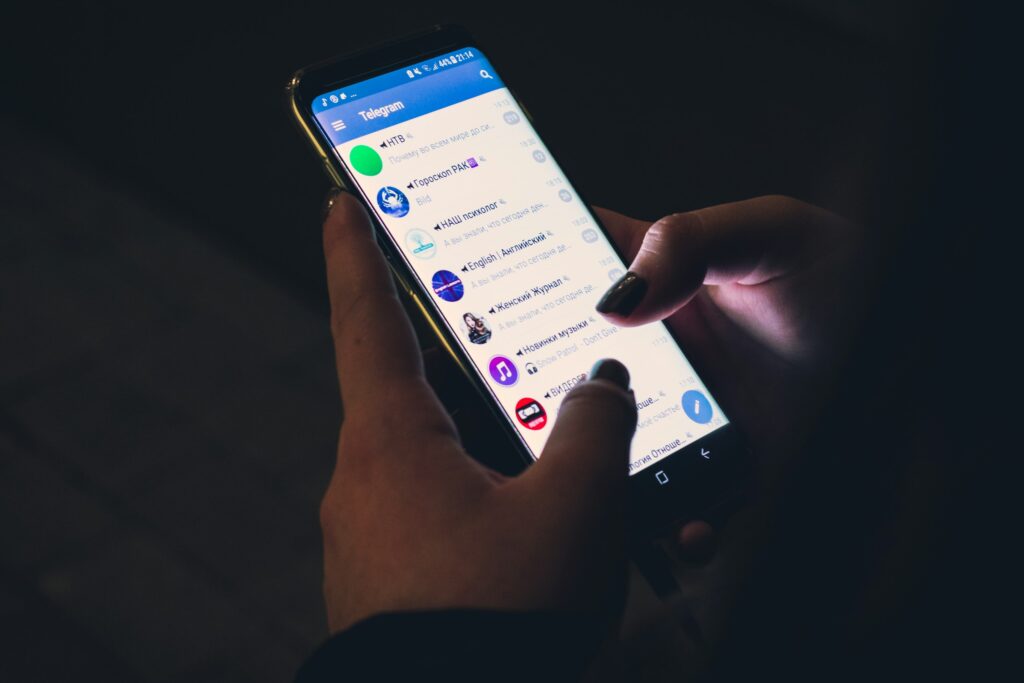
- Text messages (including promotional SMS/MMS)
- Fax advertisements
3. Is it illegal to receive telemarketing calls?
Not all telemarketing calls are illegal. However, calls may violate the TCPA if:
- They use an autodialer or prerecorded voice without your consent
- They are made to your cell phone without permission
- They are made to numbers on the National Do Not Call Registry
- They occur outside permitted hours (before 8 a.m. or after 9 p.m.)
4. Do text messages count as calls under the TCPA?
Yes. Courts have consistently held that text messages are treated the same as calls under the TCPA.
5. What is “prior express consent”?
Businesses must have your permission before contacting you:
- Informational calls/texts: require prior express consent
- Marketing calls/texts: require prior written consent
6. What is the Do Not Call Registry?
The National Do Not Call Registry allows consumers to opt out of telemarketing calls. Once your number is registered, most telemarketers cannot legally call you.
7. Can companies still call me if I’m on the Do Not Call list?
Yes, in limited situations:
- If you gave consent
- If you have an existing business relationship
- If the call is informational (not marketing)
8. What damages can I recover under the TCPA?
You may be entitled to:
- $500 per violation
- Up to $1,500 per violation if the conduct was willful or knowing
Since each call or text counts separately, damages can add up quickly.
9. What is considered an autodialer?
An autodialer is equipment that can automatically dial numbers without human intervention. The legal definition has evolved, but many mass-calling/texting systems may still qualify.
10. What should I do if I receive unwanted robocalls or texts?
- Save screenshots or call logs
- Do not engage with the sender
- Request to be placed on their “Do Not Call” list
- Contact a consumer protection attorney to evaluate your claim
11. Can I revoke consent after giving it?
Yes. You can revoke consent at any time using reasonable methods (such as replying “STOP” to texts).
12. How long do I have to file a TCPA claim?
The statute of limitations is generally 4 years from the date of the violation.
13. Do I need to pay upfront to pursue a TCPA case?
Most consumer protection attorneys handle TCPA cases on a contingency basis, meaning no upfront fees and payment only if you recover compensation.
14. Can businesses call me manually?
Yes, manual calls made by a human (without an autodialer or prerecorded voice) may not violate the TCPA, though other laws (like Do Not Call rules) may still apply.
15. Are political or charitable calls covered?
Some exemptions exist:
- Political and nonprofit calls have fewer restrictions
- However, robocalls to cell phones may still require consent