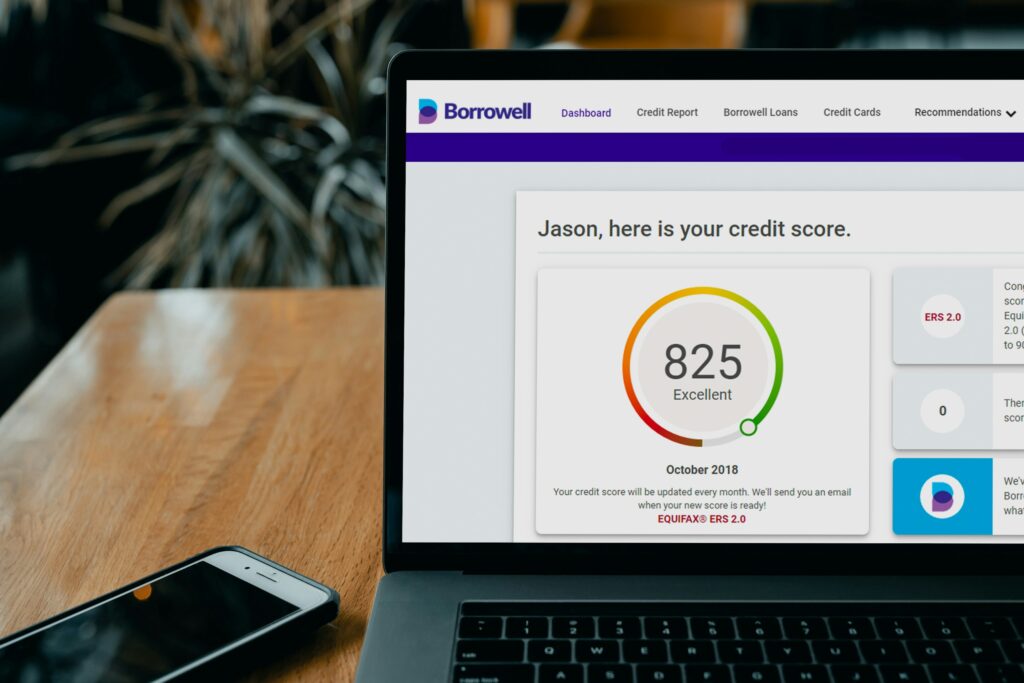
A credit report error can cost you real money—higher interest rates, a denied apartment, or a job offer that suddenly “changes.” The good news is that the Fair Credit Reporting Act (FCRA) gives consumers a process to dispute inaccurate information.
The not-so-good news: disputes often fail because consumers don’t document the issue clearly or don’t keep proof of what was sent.
This guide walks you through a practical, evidence-focused approach.
Common credit report problems
- Accounts that aren’t yours (identity mix-ups)
- Wrong balances or payment history
- Duplicate accounts
- Old debts that should have aged off
- Incorrect personal information (name, address, employer)
- “Reinserted” items that reappear after removal
Step 1: Pull your reports and save copies
Start by getting your credit reports and saving them as PDFs or printed copies. You want a “snapshot” of what you saw on a specific date.
Tip: Keep a folder for each bureau (Equifax, Experian, TransUnion) because the information can differ.
Step 2: Identify the exact line item to dispute
Be specific. Instead of “this is wrong,” write:
- Creditor name as shown
- Account number (partial, if you prefer)
- The field that’s inaccurate (late payment date, balance, status)
- What the correct information should be
Step 3: Gather proof before you dispute
Strong disputes are supported by documents. Examples:
- Payment confirmations
- Bank statements
- Account statements
- Letters from the creditor
- Identity theft reports (if applicable)
- Court orders or dismissal paperwork (for certain debts)
Step 4: Send a clear, organized dispute
A good dispute letter is:
- Short
- Specific
- Supported by attachments
- Focused on facts, not emotion
Dispute checklist (what to include)
- Your full name and current address
- A copy of a government ID (as appropriate) and proof of address
- The report page showing the error (highlighted)
- A one-paragraph explanation of what’s wrong
- Copies (not originals) of supporting documents
- A request for correction or deletion
Step 5: Track everything you send
Documentation is everything.
- Keep copies of letters
- Save certified mail receipts or delivery confirmations
- Save screenshots if you dispute online
- Note the date you submitted the dispute
Step 6: Review the results carefully
When you get the response:
- Compare the “after” report to your saved “before” snapshot
- Check whether the bureau actually corrected the specific field
- Save the results letter
If the item remains, you may have options to escalate, including disputing with the furnisher (the company reporting the data) and sending a more detailed follow-up.
What not to do
- Don’t send originals. Always keep originals.
- Don’t dispute everything at once without proof. Overbroad disputes can be dismissed.
- Don’t rely on phone calls. Written records are stronger.
next step: when to talk to a consumer lawyer
If you have strong documentation and the error keeps coming back—or you’re dealing with identity-related issues—it may be time to get legal guidance. An attorney can review your dispute history, the bureau responses, and the supporting documents to assess whether your rights under the FCRA were followed.
Ginsburg Law Group, PC can review your credit reporting issue and help you understand next steps. If you contact us, bring:
- Your “before and after” reports
- Copies of dispute letters/screenshots
- Proof documents you sent
- The bureau’s response letters