Most people think of debt in financial terms. Interest rates. Minimum payments. late fees. Credit scores.
But debt can cost more than money.
In many cases, debt can limit where you live, how you get to work, what opportunities you can pursue, and how freely you move through daily life. In that sense, debt is not just a financial burden. It can also become a limitation on personal freedom.
Debt changes more than your bank balance
A debt problem often starts with numbers. A missed payment. A past-due balance. A collection letter.
But those numbers can trigger real-world consequences:
- A lower credit score may make it harder to rent an apartment
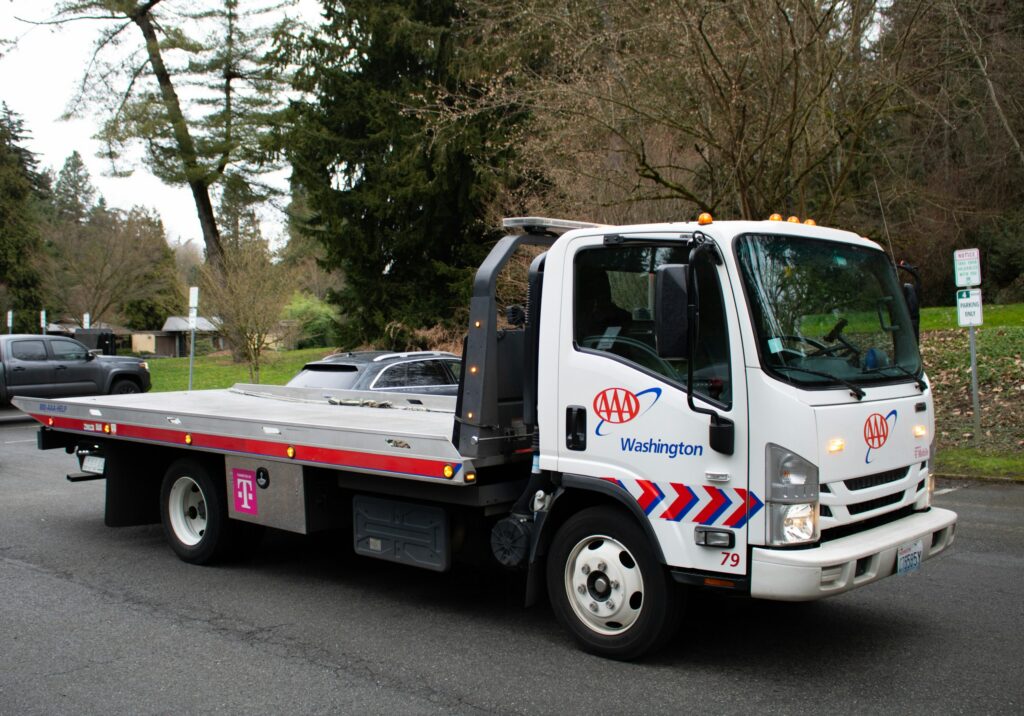
- A repossessed car may cut off access to work or childcare
- A judgment may lead to wage garnishment or frozen bank funds
- Court debt or unpaid fines may escalate into larger legal problems
- Ongoing collection stress may affect health, relationships, and stability
Debt can quietly shape the boundaries of your life.
Transportation is freedom
For many people, especially outside major cities, transportation is essential. A car is how they get to work, school, medical appointments, grocery stores, and family obligations.
When debt leads to repossession or other transportation barriers, the consequences are immediate. Missing work can lead to lost income. Lost income can lead to more missed payments. The cycle becomes self-reinforcing.
The hidden cost is not just the value of the car. It is the freedom that car made possible.
Housing access is also affected
Credit problems can shut consumers out of housing options. A landlord may reject an application because of a low score, collections, or judgments. A family may be forced into less stable or less safe housing because debt has reduced their choices.
In that sense, debt can influence not only whether you have housing, but where you can live and whether you can move to better opportunities.
Debt can shape job prospects
Some employers review credit history, especially for positions involving financial responsibility. A damaged credit profile can complicate a job search or reduce options at exactly the moment when income is needed most.
That means debt may do more than strain current finances. It can interfere with the ability to improve them.
The legal system magnifies the burden
Once debt enters collections or court, its reach can expand. Lawsuits, default judgments, collection calls, and post-judgment remedies add pressure and may make consumers feel trapped.
At that point, debt is not just a private financial issue. It becomes entangled with institutions, records, and enforcement systems.
That can create a sense that there is no easy way out.
Emotional freedom matters too
Debt also limits freedom in less visible ways. It can create chronic stress, affect sleep, strain marriages, increase anxiety, and make everyday decision-making harder. Consumers in debt often delay medical care, postpone family plans, avoid answering the phone, or fear opening the mail.
Financial pressure narrows a person’s choices long before any formal legal action begins.
Not everyone bears these burdens equally
The impact of debt is not evenly distributed. Lower-income consumers, renters, single parents, communities of color, and households without savings are often hit hardest because they have less room to recover from setbacks.
A well-off consumer may treat debt as a temporary inconvenience. A struggling consumer may experience it as a barrier to mobility, safety, and stability.
Why this matters
When we talk about debt only as a math problem, we miss the larger human reality. Debt can control timing, movement, housing, work, and peace of mind. It can shape whether a person gets to move forward or stays stuck.
That is why consumer protection matters. Unfair lending, abusive collection, inaccurate credit reporting, and predatory products do not just cost money. They can reduce freedom.
The bottom line
Debt is often discussed in dollars, but its effects are measured in options.
Can you move?
Can you work?
Can you get housing?
Can you plan for the future?
Can you breathe a little easier?
Those are freedom questions.
And for many consumers, the hidden cost of debt is not just interest. It is the shrinking of daily life that happens when financial obligations start controlling what is possible.