Many people are surprised to learn that when a debt goes unpaid, it often doesn’t just “sit” with the original creditor.
Instead, it may be sold — sometimes multiple times — to a debt buyer.
Understanding how debt buying works can help you protect yourself, verify what’s owed, and avoid costly mistakes.
Step 1: The Debt Becomes Delinquent
When you fall behind on a credit card, personal loan, medical bill, or other consumer account:
- The creditor attempts to collect.
- Late fees and interest may accrue.
- The account becomes increasingly delinquent.
After about 120–180 days of nonpayment, most credit card accounts are “charged off.”
What Does “Charged Off” Mean?
A charge-off is an accounting term.
It means the creditor has written the debt off as a loss for bookkeeping purposes.
It does not mean the debt disappears.
Step 2: The Debt Is Sold in Bulk
Once charged off, many creditors sell accounts to debt buyers.
Here’s how that works:
- Thousands of delinquent accounts are bundled together into a “portfolio.”
- The portfolio is sold for a fraction of the total face value.
- Debt buyers often pay pennies on the dollar (sometimes 3–10%).
Example:
A $5,000 credit card debt might be sold for $250–$500.
From that point forward, the debt buyer — not the original creditor — owns the account.
Step 3: Limited Information Transfers
When debt is sold, the buyer typically receives:
- Your name
- Last known address
- Account number
- Balance
- Date of default
- Sometimes payment history
But often they do not receive full documentation, such as:
- The original signed agreement
- Complete account statements
- Proof of assignment for each transfer
This documentation gap becomes important if the debt buyer later files a lawsuit.
Step 4: Collection Attempts Begin
After purchasing the debt, the buyer may:
- Call you
- Send collection letters
- Report the account to credit bureaus
- Refer the account to a collection agency
- File a lawsuit
Because the debt was purchased cheaply, even partial payment can be profitable for the buyer.
Step 5: The Debt May Be Resold Again
If the first debt buyer is unsuccessful, the account may be:
- Resold to another buyer
- Transferred to another collection agency
This is why consumers sometimes hear from multiple companies about the same old debt.
Each new owner must be able to prove they legally own the account.
What Makes Debt Buying Different From Regular Collection?
There is an important distinction:
Third-Party Collection Agency
- Collects on behalf of the original creditor
- Does not own the debt
Debt Buyer
- Purchases and owns the debt outright
- Has the right to sue in its own name
Debt buyers operate under the same federal laws (such as the Fair Debt Collection Practices Act), but their documentation is often weaker.
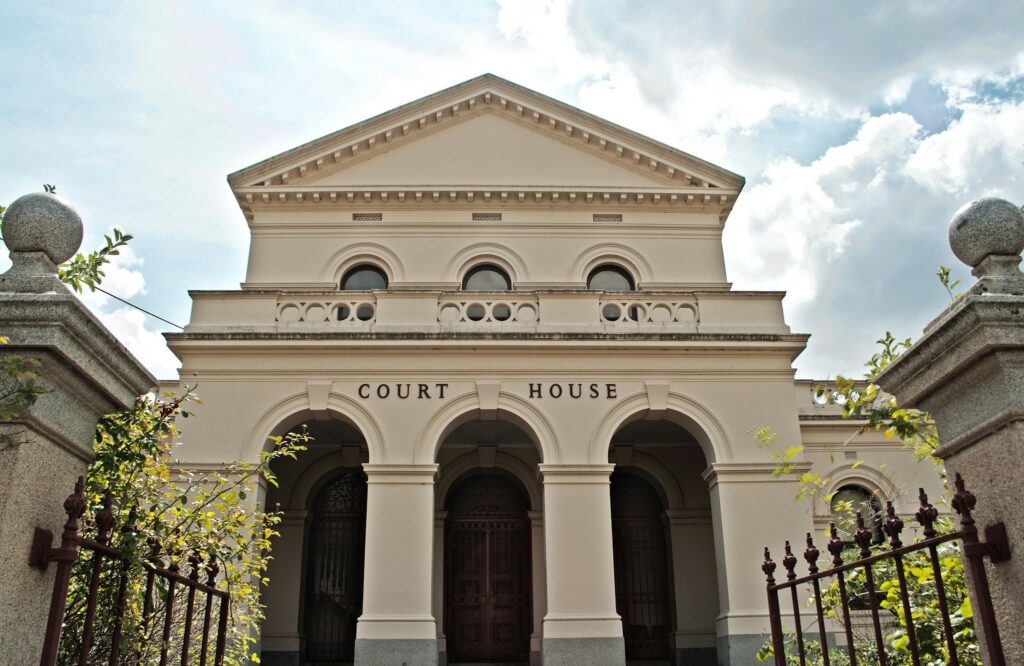
Lawsuits Filed by Debt Buyers
Debt buyers frequently file lawsuits because:
- Many consumers don’t respond
- Default judgments are common
- Court costs are relatively low compared to potential recovery
In court, a debt buyer must generally prove:
- The debt exists
- The amount is accurate
- They own the debt
- The statute of limitations has not expired
Missing paperwork can create defenses.
Statute of Limitations Issues
Every state has a statute of limitations for filing a lawsuit on debt.
If the debt is too old, it may be:
- Legally unenforceable in court
- Still collectible through calls or letters
Making a payment on an old debt can sometimes restart the statute of limitations, depending on state law.
This is why you should be cautious before paying on very old accounts.
Your Rights When Dealing With a Debt Buyer
Under federal law, you have the right to:
- Request written validation of the debt
- Dispute inaccurate information
- Be free from harassment or deception
- Demand that communications stop (in writing)
If a debt buyer cannot verify the debt after a proper dispute, they must cease collection efforts.
Why Debt Buying Matters for Consumers
Debt buying impacts you because:
- Old debts can reappear years later
- Credit reports may reflect transferred ownership
- Lawsuits can happen long after default
- Documentation may be incomplete
Understanding the chain of ownership is often critical in defending a collection lawsuit.
Final Thoughts
Debt buying is a massive industry built on purchasing delinquent accounts at steep discounts and attempting to collect as much as possible.
That doesn’t mean you automatically owe what they claim — and it doesn’t mean they can prove it.
If you are contacted by a debt buyer:
- Do not ignore it
- Do not admit liability immediately
- Request validation
- Know your statute of limitations
- Consider speaking with a consumer attorney if sued
Being informed puts you in control.