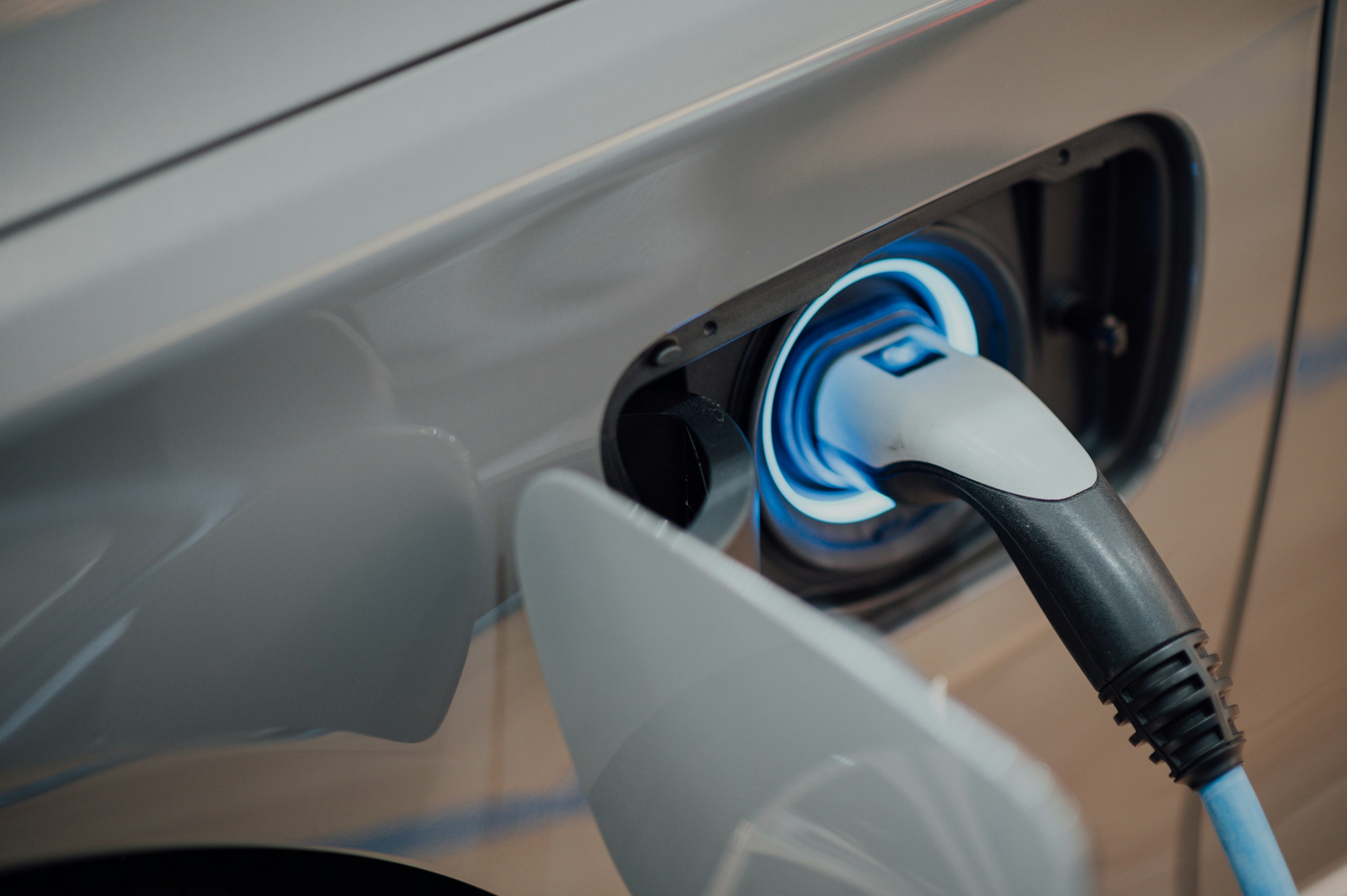
![[HERO] The Ultimate Guide to EV Lemon Law: What to Do When Your Software Glitches](https://cdn.marblism.com/n0C-bDhgg3j.webp)
You didn’t buy an Electric Vehicle (EV) just to have a “laptop on wheels” that constantly crashes. When you drove that shiny new Tesla, Rivian, or Mustang Mach-E off the lot, you expected cutting-edge tech to make your life easier, not more dangerous.
But what happens when the screen goes black while you’re doing 65 mph on the freeway? Or when a “phantom braking” glitch nearly causes a pile-up? In the world of EVs, software is just as critical as the battery itself. If your car’s code is broken and the manufacturer can’t fix it, you might be driving a “lemon.”
At Ginsburg Law Group PC, we’ve seen how manufacturers try to brush off software glitches as “minor bugs.” They aren’t. They are functional defects that can entitle you to a full refund or a brand-new car. Here is everything you need to know about navigating EV Lemon Law in the age of software.
1. Does Lemon Law Actually Apply to EVs?
The short answer: Yes.
Lemon laws are consumer protection statutes designed to hold manufacturers accountable when they sell a defective product. While most of these laws were written before the first EV hit the market, they apply to electric vehicles just as they do to gas-powered ones.
The legal standard usually hinges on four factors:
- Substantial Defect: The problem must significantly impair the vehicle’s use, value, or safety.
- Reasonable Number of Repair Attempts: The manufacturer (via the dealer) gets a fair shot at fixing it.
- Warranty Period: The issue must arise while the car is still under the original manufacturer’s warranty.
- Documentation: You must be able to prove the history of the defect.
The Bottom Line: A glitchy infotainment system that also controls your defrost, mirrors, and gear shifter isn’t just an “annoyance”, it’s a substantial defect.
2. When a “Software Glitch” Becomes a Legal Defect
Not every minor bug counts as a lemon. If your Spotify app freezes once and then works fine for a month, you likely don’t have a claim. However, software problems in EVs often cross the line into “substantial impairment” when they affect core functions.
⚠️ Safety-Critical Failures
If the software controls the physical movement or safety of the car, glitches are taken very seriously by the courts.
- Phantom Braking: The car slams on the brakes for no reason because the sensors “see” an obstacle that isn’t there.
- Sudden Power Loss: The screen displays a “Pull Over Safely” message and the car enters “Limp Mode” or shuts down entirely.
- ADAS Malfunctions: Autopilot or lane-keep assist features that veer toward barriers or fail to detect traffic.
🔋 Battery and Range Management
In an EV, the software is the fuel gauge. If the software inaccurately reports your range or fails to manage battery temperature, you could end up stranded.
- Inaccurate State-of-Charge (SoC): The car says 20% but dies at 15%.
- Charging Failures: The car software rejects DC fast chargers or terminates charging sessions prematurely without a hardware fault.
🔄 Over-the-Air (OTA) Update Disasters
EV manufacturers love OTA updates because they can “fix” cars remotely. However, these updates often:
- “Brick” the car (making it undrivable).
- Remove features you paid for.
- Reduce battery range to “mask” a hardware defect.

3. The “Reasonable Attempts” Rule: How Many is Too Many?
You cannot sue the second a light pops up on your dashboard. You must give the dealer a “reasonable” chance to fix it. While every state is different, the general rules of thumb are:
- Safety Defects: If the glitch is life-threatening (like braking or steering), 2 repair attempts may be enough to trigger a lemon claim.
- General Defects: For non-safety issues that still impair value (like a screen that keeps freezing), 4 repair attempts is usually the standard.
- The 30-Day Rule: If your EV sits in the shop for a total of 30 cumulative days (not necessarily all at once) within a certain period, it is often automatically presumed to be a lemon.
👉 Important: In many states, the “Lemon Law Presumption” applies if these attempts happen within the first 18 months or 18,000 miles. However, you can often still file a claim even if you are past this window, provided the car is still under warranty.
4. Don’t Fall for These Common Manufacturer Excuses
Manufacturers like Tesla, Rivian, and Ford have a script for handling software complaints. Don’t let them talk you out of your rights.
“It’s a Known Issue, Wait for the Next Update”
The Truth: This is a trap. If they tell you to wait for a “future update,” they are trying to run out the clock on your warranty or your lemon law window. A software update counts as a repair attempt. If they “reflash” the software and the problem comes back, that is a failed repair.
“We Couldn’t Reproduce the Problem”
The Truth: Software glitches are often intermittent. If the technician drives it for five minutes and the screen doesn’t go black, they’ll write “No Problem Found.” This is why video evidence is your best friend. If you don’t have proof, the court might take the dealer’s word over yours.
“It’s Within Normal Operating Parameters”
The Truth: If your car’s range dropped 20% after an update, that isn’t “normal degradation.” It’s a loss of value. We specialize in cutting through this jargon to show how these “parameters” violate consumer protection laws.

5. Your Step-by-Step Action Plan
If your EV software is acting up, follow these steps immediately to build your case.
- Record Everything: Use your phone to record the screen glitching, the error messages, or the car’s behavior.
- Get a Repair Order Every Time: Even if the dealer says “we just reset the computer,” demand a printed work order that describes your complaint and what they did. No paperwork = no case.
- Use Specific Language: When describing the issue to the service advisor, use words like “safety concern,” “unreliable,” and “undrivable.”
- Track the Days: Keep a log of every day your car is at the dealership.
- Check Your Software Version: Take a screenshot of your current firmware version before and after you take it in for service.
6. What Can You Actually Recover?
If your EV is deemed a lemon, you aren’t just stuck with a “sorry” from the manufacturer. You generally have three options:
- The Buyback (Repurchase): The manufacturer pays off your loan, refunds your down payment, and reimburses you for registration and taxes. They are allowed to subtract a small “usage fee” for the miles you drove before the first repair attempt.
- The Replacement: You get a brand-new EV of the same or similar model.
- Cash-and-Keep: If you actually like the car but want to be compensated for the hassle and the reduced resale value, you can negotiate a cash settlement and keep the vehicle.
✅ The Best Part: In many jurisdictions, if you win, the manufacturer is required to pay your attorney’s fees. This means you can get elite legal representation from a firm like Ginsburg Law Group PC without paying out-of-pocket costs.

7. Next Steps: Don’t Let the Clock Run Out
The biggest mistake EV owners make is waiting. They hope the next software patch will magically fix everything. By the time they realize the car is a lost cause, they might be outside the “presumption” period, making the legal battle much harder.
If you’ve taken your EV in for the same software issue two or more times, or if it has been out of service for more than two weeks, now is the time to act.
At Ginsburg Law Group PC, we understand the technical complexities of electric vehicles. We don’t just look at mechanical parts; we look at the code, the sensors, and the battery management systems that define modern driving.
Checklist for Your Case:
- Do I have at least two repair orders for the same issue?
- Is the car still under the original manufacturer’s warranty?
- Have I recorded video of the glitch happening?
- Has the car been at the dealer for more than 30 total days?
If you answered “Yes” to any of these, you need a professional evaluation. You can review our post sitemap for more resources on consumer rights or contact us directly.
Stop being a beta tester for a multi-billion dollar car company. Demand a car that works, or demand your money back.
Disclaimer: This blog post is for informational purposes only and does not constitute legal advice. Lemon laws vary significantly by state. For specific guidance on your situation, please consult with a licensed attorney in your jurisdiction.