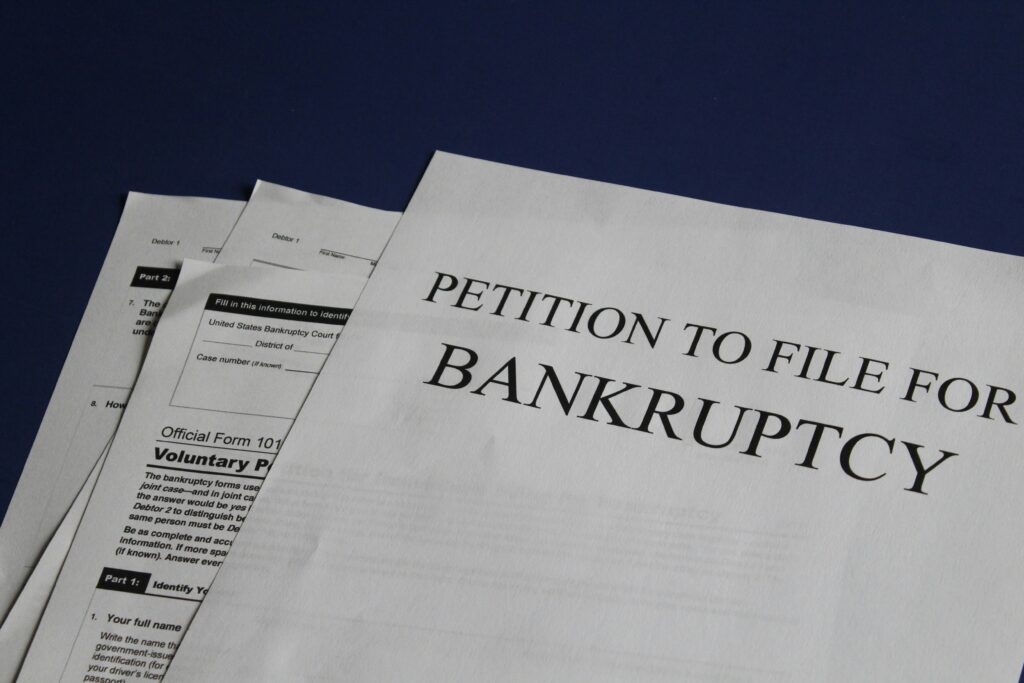
When money is tight, “bankruptcy” can feel like a scary word. Many people picture losing everything or being judged. In reality, bankruptcy is a legal process designed to give honest people a way to deal with overwhelming debt.
Whether bankruptcy is the right choice depends on your income, your assets, your goals, and the type of debt you have. This post explains the basics in plain English and gives you a practical checklist of what to gather if you’re considering a consultation.
What bankruptcy is (and isn’t)
Bankruptcy is a federal court process that can:
- Stop most collection activity through an “automatic stay”
- Help eliminate certain debts (in some cases)
- Create a structured repayment plan (in some cases)
Bankruptcy is not:
- A guarantee that all debts disappear
- A one-size-fits-all solution
- Something you should file without understanding the consequences
Chapter 7 in plain English
Chapter 7 is often called a “fresh start” bankruptcy. In many cases, it involves:
- A court-appointed trustee reviewing your financial situation
- Potential discharge (elimination) of certain qualifying debts
- A process that is typically shorter than Chapter 13
Some people worry they’ll lose everything. Whether assets are protected depends on exemption laws and your specific facts.
Chapter 13 in plain English
Chapter 13 is a repayment plan bankruptcy. It may be used when:
- You have income and can afford a structured plan
- You’re behind on a mortgage or car loan and want time to catch up
- You don’t qualify for Chapter 7 based on income or other factors
Chapter 13 usually involves:
- A repayment plan over a set period
- Regular payments to a trustee
- Court oversight while the plan is active
What debts are involved? Start with categories
Make a list of your debts in categories:
- Credit cards
- Medical bills
- Personal loans
- Payday loans
- Car loans
- Mortgages
- Student loans
- Tax debts
- Child support/alimony n Different debts are treated differently, and some may not be dischargeable.
What to document before a bankruptcy consultation
You don’t need to have everything perfect, but the more complete your picture, the better the advice.
Income
- Recent pay stubs
- Proof of other income (benefits, gig work, rental income)
- Last two years of tax returns (if available)
Expenses
- Monthly budget (rent/mortgage, utilities, food, transportation)
- Childcare and medical expenses
- Insurance premiums
Assets
- Bank account balances (approximate)
- Vehicle info (make/model/year, loan balance)
- Real estate info (mortgage statements, estimated value)
- Retirement accounts
- Valuable personal property (if any)
Debts
- Recent statements
- Collection letters
- Any lawsuit paperwork
- Creditor names and account numbers (keep secure)
Legal history
- Prior bankruptcies (if any)
- Pending lawsuits or judgments
- Garnishments or levies
Common mistakes to avoid
Mistake 1: Draining retirement accounts without advice
That can create long-term harm.
Mistake 2: Transferring property to friends/family “for safekeeping”
That can create serious legal issues in bankruptcy.
Mistake 3: Ignoring a lawsuit while “thinking about bankruptcy”
Deadlines still matter.
Mistake 4: Relying on internet myths
Bankruptcy rules are detailed and fact-specific.
Quick checklist: Bankruptcy consultation prep
- List your debts by category
- Gather pay stubs and tax returns
- Bring a basic monthly budget
- Collect key statements (mortgage, car loan, credit cards)
- Bring any lawsuit or garnishment paperwork
- Write down your goals (stop calls, save home, reduce payments)
Soft next step
If you’re overwhelmed by debt and want a clear explanation of your options, Ginsburg Law Group, PC can help you understand whether bankruptcy—or another consumer-law solution—fits your situation. A consultation can help you make a plan without judgment.