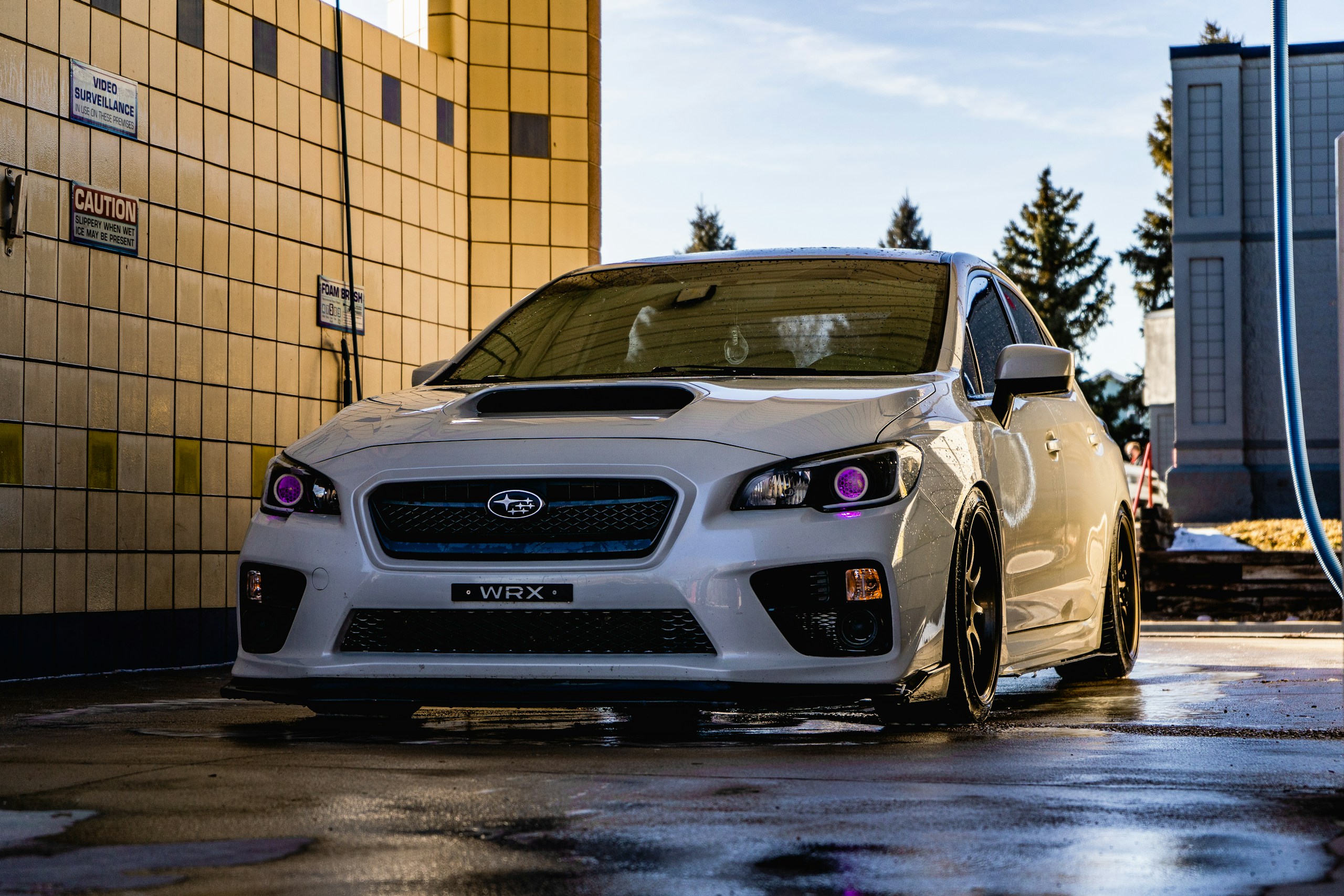
When you purchase a Subaru, you expect reliability, safety, and longevity. Subaru has built a reputation for durable vehicles like the Outback, Forester, and Crosstrek. But even well-regarded brands are not immune to defects. If your Subaru has recurring problems that won’t go away, you may be protected under the Texas Lemon Law.
This guide breaks down how the Texas Lemon Law applies specifically to Subaru vehicles, what qualifies as a “lemon,” and how you can pursue compensation or a replacement vehicle.
What Is the Texas Lemon Law?
The Texas Lemon Law is designed to protect consumers who purchase or lease defective vehicles. If a manufacturer cannot repair a vehicle after a reasonable number of attempts, the law may require them to:
- Replace the vehicle, or
- Refund the purchase price (minus a usage fee)
The law applies to new vehicles purchased or leased in Texas, including Subaru cars, SUVs, and crossovers.
Common Subaru Problems That May Trigger Lemon Law Claims
Subaru vehicles are generally dependable, but certain models and years have experienced recurring issues. If these problems substantially impair the use, value, or safety of your vehicle, they may qualify under the Texas Lemon Law.
1. CVT Transmission Failures
Subaru’s Continuously Variable Transmission (CVT) has been a frequent source of complaints. Issues include:
- Jerking or shuddering during acceleration
- Delayed response
- Transmission slipping or failure
A failing transmission can significantly affect drivability and safety.
2. Engine Problems
Some Subaru models have experienced:
- Excessive oil consumption
- Engine stalling
- Loss of power
If your engine repeatedly fails or requires frequent repairs, this may meet Lemon Law criteria.
3. Electrical System Defects
Modern Subarus rely heavily on electronics. Common complaints include:
- Infotainment system malfunctions
- Faulty sensors or warning lights
- Battery drain issues
Electrical problems can be frustrating and sometimes dangerous.
4. Safety System Failures
Subaru’s EyeSight driver-assist technology is a major selling point—but when it fails, it can pose risks. Issues may include:
- Malfunctioning adaptive cruise control
- Lane departure warnings not working
- Automatic braking errors
Safety-related defects are taken especially seriously under Lemon Law statutes.
5. Windshield Cracking Issues
Subaru has faced widespread complaints about windshields cracking easily, sometimes without impact. This defect can:
- Obstruct visibility
- Require repeated replacements
- Lead to recurring repair attempts
Does Your Subaru Qualify as a Lemon in Texas?
Texas uses specific tests to determine whether a vehicle qualifies as a lemon.
1. The “Four Times Test”
If the same issue has been repaired four or more times within:
- The first 24 months, or
- The first 24,000 miles
and the problem still exists, your vehicle may qualify.
2. The “Serious Safety Hazard Test”
If a defect poses a serious safety risk and:
- Has been repaired twice, and
- Still exists
you may have a valid claim.
3. The “30-Day Test”
If your Subaru has been out of service for repairs for:
- 30 or more days (not necessarily consecutive)
within the first 24 months/24,000 miles, it may qualify.
Important: Timing Matters
Texas Lemon Law claims must be filed relatively quickly. Generally, you must:
- Report the issue while the vehicle is still under warranty
- File your claim within the required timeframe (usually tied to warranty expiration)
Waiting too long can jeopardize your rights.
Steps to Take If Your Subaru Is Defective
If you suspect your Subaru may be a lemon, follow these steps:
1. Document Everything
Keep records of:
- Repair orders
- Service invoices
- Dates your vehicle was in the shop
This documentation is critical.
2. Give Subaru a Fair Chance to Repair
You must allow the manufacturer or dealership a reasonable number of repair attempts.
3. File a Complaint with the Texas DMV
Texas Lemon Law claims are handled through the Texas Department of Motor Vehicles (TxDMV).
4. Consider Hiring a Lemon Law Attorney
An experienced attorney can:
- Handle paperwork and deadlines
- Negotiate with Subaru
- Maximize your compensation
In many cases, attorney fees are paid by the manufacturer.
What Compensation Can You Receive?
If your Subaru qualifies under the Texas Lemon Law, you may be entitled to:
1. Vehicle Replacement
A new Subaru of comparable value.
2. Refund
A buyback that includes:
- Purchase price
- Taxes and fees
- Minus a usage deduction
3. Repair Reimbursement
In some cases, you may recover costs related to repairs or towing.
Subaru Warranty vs. Lemon Law
Subaru offers warranties, but they are not the same as Lemon Law protections.
- Warranty: Covers repairs
- Lemon Law: Forces buyback or replacement if repairs fail
If your vehicle keeps breaking down despite warranty repairs, Lemon Law may be your best option.
Why Subaru Owners Often Delay Taking Action
Many Subaru owners hesitate to pursue a claim because:
- They trust the brand
- They assume the problem will eventually be fixed
- Dealerships reassure them repeatedly
Unfortunately, delays can cost you your legal rights.
Final Thoughts
Owning a defective Subaru can be frustrating, especially when repeated repairs fail to solve the problem. The Texas Lemon Law exists to protect you from being stuck with a vehicle that doesn’t perform as promised.
If your Subaru has ongoing issues—whether it’s transmission problems, electrical failures, or safety defects—you may have a strong claim.
The key is acting quickly, keeping detailed records, and understanding your rights.