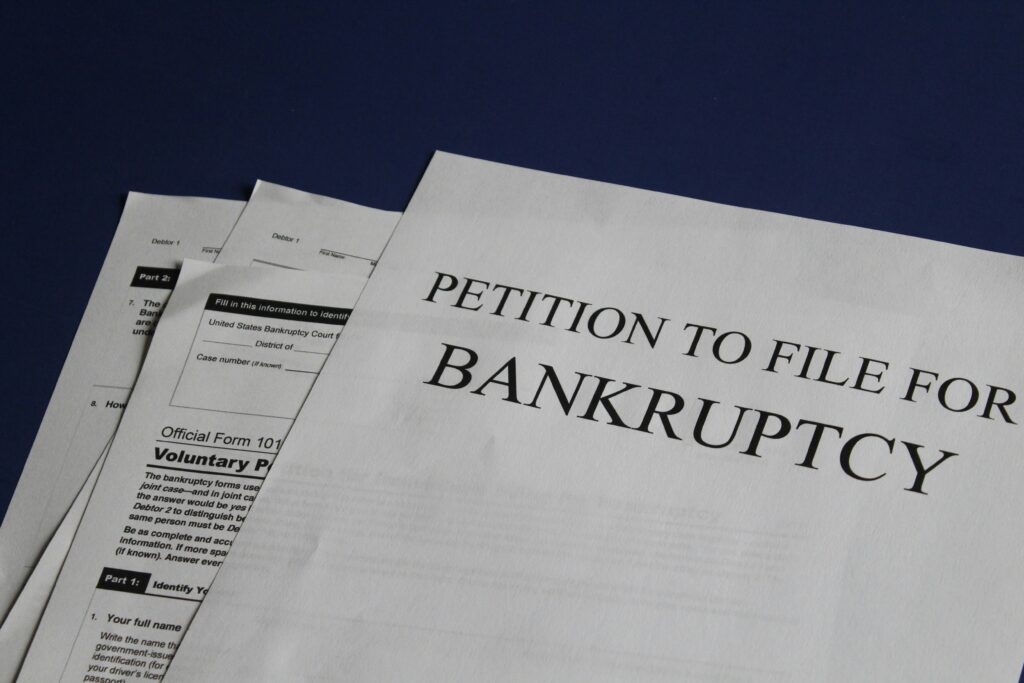
One of the most common surprises in bankruptcy is when a trustee tries to recover money that was paid before filing.
Clients often say:
“I was just paying my bills. How could that be a problem?”
The issue is called a preference — and with proper planning, many preference problems can be avoided.
Let’s walk through how.
📌 What Is a Preference (In Simple Terms)?
A preference happens when:
- You pay one creditor shortly before filing,
- And that payment gives them more than they would receive in bankruptcy.
The trustee can recover:
- Payments made within 90 days before filing (for regular creditors),
- Payments made within 1 year before filing (for family/insiders).
🚩 The Most Common Preference Mistakes
1️⃣ Repaying Family Before Filing
This is the biggest issue.
If you repay parents, siblings, or close relatives within one year before filing, the trustee can demand that money back from them.
Even if your intentions were good.
2️⃣ Paying Off One Credit Card in Full
If you settle or pay off one creditor while others remain unpaid, that may be recoverable.
3️⃣ Large Lump-Sum Lawsuit Settlements
Paying a judgment or collection settlement shortly before filing can trigger recovery.
4️⃣ Waiting Too Long to File After Big Payments
Timing matters. Filing too soon after large payments increases risk.
✅ How to Avoid Preference Issues
✔ Talk to an Attorney Before Making Large Payments
If you’re considering bankruptcy, don’t “clean up” accounts first.
Many people try to:
- Pay back family
- Settle lawsuits
- Close accounts
That can create problems.
✔ Avoid Repaying Insiders Before Filing
If family helped you financially, it’s often safer to:
- File first,
- Then voluntarily repay them after discharge (if you choose).
✔ Maintain Ordinary Living Expenses Only
Continue paying:
- Rent/mortgage
- Utilities
- Insurance
- Groceries
- Necessary car payments
Normal, ongoing expenses are rarely problematic.
✔ Don’t Favor One Creditor Over Others
Selective repayment is what creates preference exposure.
✔ Consider Timing
Sometimes waiting beyond the 90-day or 1-year lookback window can reduce exposure.
Strategic timing matters.
📌 Important: Full Disclosure Is Mandatory
If a payment was made within the lookback period:
- Disclose it.
- Do not try to hide it.
- Discuss it openly with your attorney.
Failing to disclose is far more dangerous than the payment itself.
💡 The Big Picture
Preference law isn’t about punishing you.
It’s about ensuring all creditors are treated equally.
With proper planning before filing, most preference issues can be minimized or avoided.
If you’re considering bankruptcy, the best move is simple:
Pause.
Don’t transfer money.
Get advice first.