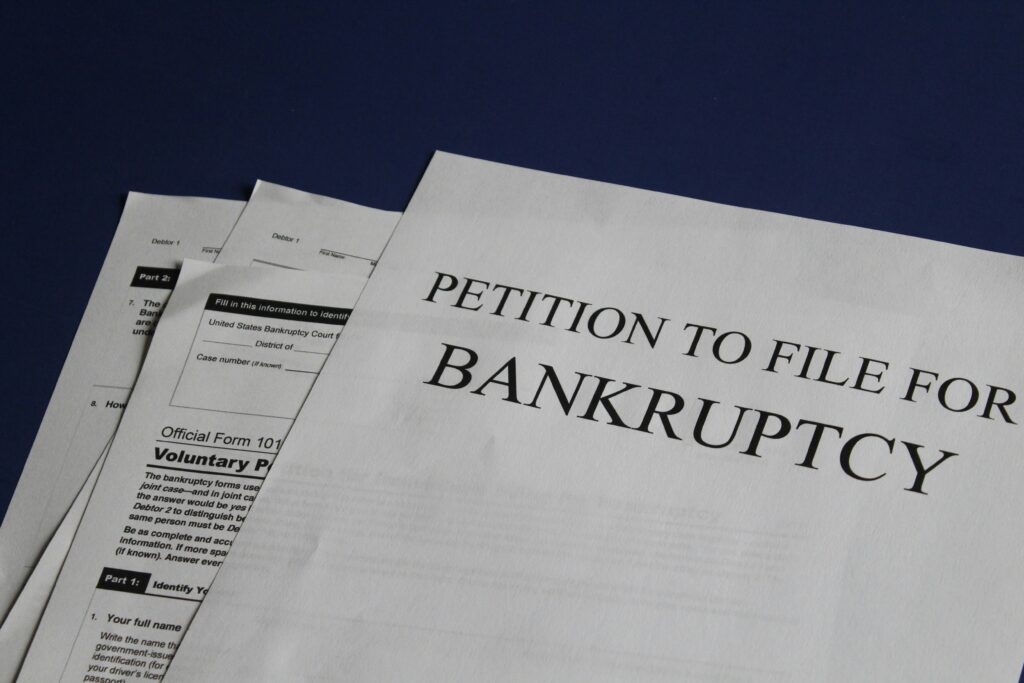
When you’re drowning in debt, the choice between bankruptcy and debt relief feels monumental. The key difference is this: bankruptcy is a formal, court-ordered process that gives you a legal fresh start. Debt relief, on the other hand, covers a range of strategies outside of court, like negotiation, legal defense, and settlement—all rooted in exercising your consumer rights. The right answer for you isn’t one-size-fits-all; it comes down to your income, what you own, and how you can best leverage laws like the FDCPA, TCPA, and even estate planning to protect your future.
Choosing Your Path When Facing Overwhelming Debt
When the bills are piling up and the phone won’t stop ringing, the first step to getting back on your feet is simply understanding the tools at your disposal. This isn’t just a numbers game. It’s about finding a solution that fits your life and protects your future. While both bankruptcy and debt relief can get you out of debt, they work in entirely different ways.
Bankruptcy is a powerful, legally binding solution handled through the federal court system. For most people, it comes in two flavors:
- Chapter 7 Bankruptcy: This is what most people think of as a “fresh start.” Often called liquidation, the process involves selling assets you can’t protect (called non-exempt assets) to pay your creditors. In return, most of your unsecured debts—like credit card bills and medical expenses—are completely wiped out.
- Chapter 13 Bankruptcy: This is a court-approved repayment plan. Instead of liquidating assets, it allows you to keep your property while you make manageable payments to your creditors over three to five years. It’s a common tool for people trying to stop a home foreclosure and get caught up on their mortgage.
Debt relief is a much broader term for strategies that don’t involve a bankruptcy judge. The focus here is on tackling debt through direct negotiation, settlement talks, or even taking legal action against collectors who break the law. This can include anything from suing a collector for harassment under the FDCPA to using Lemon Law to resolve a defective car loan.
| Attribute | Bankruptcy (Chapter 7 & 13) | Debt Relief (Settlement, Defense) |
|---|---|---|
| Process | Formal, court-supervised legal proceeding. | Informal negotiation or legal action based on consumer rights. |
| Public Record | Yes, it becomes a public court record. | No, settlements are almost always private. |
| Asset Risk | Assets can be sold in a Chapter 7. | Assets are generally protected through strategic defense. |
| Key Advantage | The “automatic stay” stops all collection actions instantly. | More flexible with potentially less credit damage; can use laws like FDCPA as leverage. |
The Power of Consumer Rights in Debt Relief
A huge part of non-bankruptcy debt relief is using your legal rights as a shield. Many people don’t realize that federal laws aren’t just rules for collectors—they are powerful tools you can use to fight back.
These laws are your shield and your sword. Knowing your rights under the FDCPA, TCPA, and FCRA can transform you from a passive debtor into an empowered advocate, giving you significant leverage to reduce or eliminate debt.
For instance, if a debt collector harasses you in violation of the Fair Debt Collection Practices Act (FDCPA), you may have grounds to sue them. The same goes for illegal robocalls from telemarketers under the Telephone Consumer Protection Act (TCPA). A successful claim for these violations can result in financial damages that could be used to offset or even completely cancel the original debt.
To see if bankruptcy is your best option, you might be interested in learning more about the key questions to ask before filing.
A Nuanced Comparison of Bankruptcy and Debt Relief
When you’re buried under a mountain of debt, choosing a way out feels overwhelming. The decision between bankruptcy and debt relief isn’t just about erasing numbers on a page; it impacts your finances, your property, and your peace of mind for years. It’s about finding the right strategy for your specific situation and where you want to go from here.
One of the first things to understand is how public each process is. Bankruptcy is a formal, federal court proceeding, which means your filing becomes a public record for anyone to see. On the other hand, most debt relief strategies—like negotiating a settlement or defending against a lawsuit—are private matters handled between you, your legal counsel, and your creditors.
To get a better handle on which direction might be right for you, this flowchart lays out the main paths people take when debt becomes unmanageable.

As you can see, the choice often boils down to a court-supervised process versus a more flexible, rights-based approach, and that pivot point is almost always your unique financial picture.
Impact on Your Credit Score
There’s no sugarcoating it: both options will hit your credit score. But they do so in very different ways.
A Chapter 7 bankruptcy is one of the most serious negative marks you can have on your credit report, and it sticks around for up to 10 years. A Chapter 13 filing will remain for seven years.
Debt relief’s impact is far more nuanced. Settling a debt for less than you owe usually gets reported as “settled for less than full balance.” While that’s still a negative mark, it’s generally seen as less damaging than a full-blown bankruptcy. Even better, if a debt defense strategy proves a debt is invalid or illegal—for instance, by using your rights under the Fair Credit Reporting Act (FCRA) to dispute errors—the negative item can be wiped from your report completely, which could actually improve your score over time.
Protecting Your Personal Assets
This is arguably the most critical distinction between the two paths. In a Chapter 7 bankruptcy, a court-appointed trustee has the power to seize and sell your non-exempt assets to pay back your creditors. While state and federal exemptions protect essentials like some home equity, a vehicle, and retirement accounts, anything of value beyond those limits is on the table. Proactive estate planning, such as creating certain types of trusts long before financial trouble arises, can sometimes shield assets, but this requires careful, forward-looking legal strategy.
Debt relief, however, doesn’t involve a court-ordered liquidation of your property. Your home, car, and other assets aren’t automatically at risk. This makes it a much safer route if you have significant assets you need to protect.
The core trade-off often comes down to this: Bankruptcy offers a broad, immediate, and powerful discharge of debt but puts assets at risk. Debt relief provides a flexible, targeted approach that protects assets but may not resolve all debts simultaneously.
Timelines and Overall Costs
The timeline for getting through each process is also drastically different.
- Chapter 7 Bankruptcy: It’s relatively quick, typically wrapping up in just four to six months.
- Chapter 13 Bankruptcy: This is a longer haul, requiring a three- to five-year repayment plan.
- Debt Relief: The timeline is all over the map. A Lemon Law case might resolve in a few months, while a complex FDCPA lawsuit could take longer.
Costs also vary quite a bit. Bankruptcy comes with court filing fees, mandatory credit counseling courses, and attorney fees. With debt defense, legal fees are often contingent or can sometimes be paid by the offending creditor, making it a powerful and accessible option.
A Deeper Look at the Numbers and Trends
Recent data shows just how much economic pressure is forcing families to make these tough calls. In 2025, U.S. bankruptcy filings shot up to 565,759 cases, an 11% jump from the previous year. This spike was driven almost entirely by consumer cases, which hit 533,949. Within that, Chapter 7 liquidations rose by 15%, and Chapter 13 reorganizations increased by 6%.
For families drowning in credit card debt, medical bills, or mortgage payments, bankruptcy offers a court-protected way to either wipe the slate clean or restructure payments. But it leaves a lasting public mark.
Alternatives offered through consumer law firms that specialize in FDCPA violations or FCRA disputes can challenge illegal collection practices without the same stigma. While bankruptcy filings are up, many people are exploring debt settlement or defense first. It’s a powerful option—successful FDCPA claims have resulted in over $1 billion in consumer recoveries since 1977, helping people avoid the finality of a Chapter 7. Firms like Ginsburg Law Group actively sue abusive collectors, which can sometimes lead to debts being wiped out through a court judgment rather than liquidation. You can read the full report on recent bankruptcy trends to learn more about these economic shifts.
Core Differences Bankruptcy vs Debt Relief
To really weigh your options, a side-by-side comparison helps clarify things. This table breaks down the fundamental differences between these two powerful financial strategies.
| Attribute | Bankruptcy (Chapter 7 & 13) | Debt Relief (Negotiation, Settlement, Defense) |
|---|---|---|
| Process Formality | A highly structured, formal legal process overseen by a federal bankruptcy court. | An informal, flexible process conducted directly with creditors or through legal representatives. |
| Public Record | Yes, the filing is a permanent public court record accessible to anyone. | No, settlements and negotiations are private agreements between you and your creditors. |
| Asset Security | Non-exempt assets are at risk of liquidation in a Chapter 7 bankruptcy. Estate planning may offer some protection if done early. | Assets are generally secure and not part of the negotiation process. |
| Credit Impact | A severe negative impact lasting 7-10 years, making new credit difficult to obtain. | Negative impact varies but is generally less severe and shorter-lived than bankruptcy. |
| Psychological Burden | Can feel like a loss of control due to court oversight, but provides a definitive end. | Provides a greater sense of control but can be a prolonged and stressful process. |
Ultimately, the right choice depends entirely on your personal financial landscape. Someone with few assets but overwhelming unsecured debt might find the “fresh start” of Chapter 7 to be the most direct solution. In contrast, a homeowner with a stable job who wants to protect their assets and avoid a public record would likely be better served by a strategic debt relief or defense approach.
Using Consumer Rights as Your Debt Defense Shield
Most people think of debt relief as a defensive game—asking creditors for a break and hoping for the best. But what if you could go on the offensive? There’s a powerful and often overlooked strategy that puts you in control: using federal law not just as a shield, but as a sword.
This approach, known as debt defense, isn’t about negotiating for a smaller payment. It’s about challenging the debt’s validity or suing a collector for breaking the law. This completely flips the power dynamic. Suddenly, you’re not just someone struggling with debt; you’re a potential plaintiff with a legitimate legal claim.

For anyone weighing bankruptcy vs debt relief, this method offers a compelling third path, especially if you want to stay out of court and protect what you own. It’s about making the law work for you.
Turning Harassment into Leverage with the FDCPA
Your number one tool against aggressive debt collectors is the Fair Debt Collection Practices Act (FDCPA). This federal law puts strict rules on how collectors can behave, and if they cross the line, you have the right to sue them for it.
Collectors routinely violate the FDCPA. Common missteps include:
- Calling you over and over just to harass you.
- Contacting you at odd hours, like before 8 a.m. or after 9 p.m.
- Telling your family, friends, or boss about your debt.
- Using abusive language or threatening violence.
- Lying about who they are, like pretending to be an attorney.
- Threatening arrest or a lawsuit they have no intention of filing.
If you can document any of this, an attorney can take them to court. A successful FDCPA lawsuit can get you up to $1,000 in statutory damages, plus compensation for any actual harm caused. More often than not, the threat of a lawsuit is all it takes to make a collector negotiate a massive reduction or even forgive the debt entirely.
Real-World Scenario: A debt collector calls a consumer’s boss and reveals details about a personal medical debt. That’s a textbook FDCPA violation. The consumer’s lawyer sues, and the collection agency agrees to wipe out the entire debt just to make the lawsuit go away. The collector’s illegal act led to a total financial win.
Using the TCPA to Stop Illegal Robocalls
Are you getting blasted with automated calls and texts from creditors? The Telephone Consumer Protection Act (TCPA) was passed to stop exactly that. Unless you give a company express written permission, they can’t use autodialers or pre-recorded messages to contact you.
Every single illegal call or text could be worth $500 to $1,500 in damages. If you’ve been getting these for months, the potential payout can become enormous.
This gives you incredible leverage. You’re no longer the victim of endless robocalls; you’re a plaintiff holding a valuable claim against the company. The prospect of paying you tens of thousands in TCPA damages can make a creditor very willing to wipe out the original debt you owe. To learn more about these legal tools, see our in-depth guide to your rights against debt collectors.
Correcting Your Credit with the FCRA
Finally, don’t forget the Fair Credit Reporting Act (FCRA). This law mandates that the information on your credit reports must be accurate. Errors—and they are surprisingly common—can tank your score and block you from getting a loan, an apartment, or even a job.
You have the legal right to dispute every piece of inaccurate information. If a credit bureau or creditor refuses to fix a clear mistake after you’ve formally disputed it, you can sue them for damages.
Cleaning up your credit report is a crucial first step in any debt strategy. It ensures that any future negotiations are based on facts, not errors, and strengthens your overall financial standing as you work to rebuild without filing for bankruptcy.
When Bankruptcy Is Your Strongest Option
While fighting back with strategic debt defense can be incredibly effective, some financial holes are just too deep to climb out of with negotiation alone. In these moments, it’s crucial to see bankruptcy not as a failure, but as a powerful legal tool designed for a clean slate when nothing else will work.
The real game-changer with bankruptcy is the automatic stay. This isn’t a suggestion; it’s a legal injunction that goes into effect the second you file. Lawsuits freeze. Wage garnishments stop. Foreclosure proceedings halt.
No other debt relief strategy can promise that kind of immediate, guaranteed protection. If the sheriff is just days away from auctioning off your home or a garnishment order has already landed on your HR manager’s desk, the automatic stay is your only real lifeline.
When the Debt Is Simply Too Large
Let’s be realistic. Sometimes the numbers are just too big. We’re talking about overwhelming medical bills or credit card balances that have snowballed into tens or even hundreds of thousands of dollars.
When your total debt is so far beyond your ability to ever repay, creditors have very little reason to negotiate a settlement. They know they have the upper hand. Bankruptcy flips the script by forcing the issue into a court-supervised process that can discharge those crushing debts entirely.
When you are facing imminent, severe financial actions like foreclosure or wage garnishment, the automatic stay provided by bankruptcy is the only tool that offers immediate, legally enforceable protection. It acts as a full stop, giving you the breathing room to address the underlying financial crisis.
Think about the logistics, too. Trying to negotiate with one or two creditors is one thing. Juggling a dozen different collection agencies, each with their own attorneys and internal rules? That’s an exhausting, uphill battle you’re unlikely to win. Bankruptcy brings all that chaos under one roof in a single, structured legal process.
Understanding the Broader Economic Context
The choice to file for bankruptcy doesn’t happen in a vacuum. It often ties into larger economic shifts that push people past their breaking point. For instance, as corporate bankruptcies hit their highest pace since 2010 in the first half of 2025, the fallout directly impacts families.
Job losses from these business failures put immense strain on household budgets, making personal debt impossible to manage. It’s no surprise that consumer filings have followed this trend, climbing by 12% to 533,949 in 2025.
For those caught in this economic squeeze, bankruptcy offers a structured way out. A Chapter 7 bankruptcy can wipe the slate clean on unsecured debts, while a Chapter 13 bankruptcy sets up a repayment plan that can save a home from foreclosure—a critical lifeline in uncertain times.
This is where the paths diverge. Debt defense strategies, using laws like the TCPA and FDCPA, are excellent for stopping illegal harassment and getting invalid debts thrown out without the public record of bankruptcy. But when the debt is valid and overwhelming, bankruptcy’s definitive power is what you need. As global insolvencies rise, knowing when to use this legal tool versus the tactical approach of debt relief is more critical than ever. You can learn more about how corporate bankruptcies impact the broader economy from recent analysis.
When Debt Relief Is the Smarter Financial Move
Deciding between bankruptcy and debt relief isn’t just about picking the “easier” option; it’s a strategic choice. For many people, especially those with a steady income who can’t quite keep up with payments but have assets they’ve worked hard to acquire, debt relief is often the better path. This route is all about keeping you in the driver’s seat, protecting your property, and doing less long-term damage to your credit.

Unlike bankruptcy, which has strict rules about what you can keep, debt relief strategies are designed to resolve your debts while keeping your assets—your house, car, and retirement savings—safely out of the picture. If your main goal is to get out of debt without liquidating everything you own, this is where you should be looking.
Asset Preservation and Credit Protection
When you weigh bankruptcy vs debt relief, asset protection is frequently the tipping point. If you own a home with a good amount of equity or have a solid investment portfolio, a Chapter 7 bankruptcy could force you to sell those assets to pay creditors. Debt relief, especially settlement or defense, sidesteps that risk completely. Similarly, proactive estate planning can legally shield assets from creditors, but it must be done well in advance of any financial trouble.
The idea is to negotiate a solution directly with your creditors, a process that doesn’t involve a court-appointed trustee coming in to liquidate your property. This makes it a much more attractive option for anyone who wants to safeguard the wealth they’ve built.
And while any form of debt resolution will show up on your credit report, the hit from debt relief is usually less severe and fades faster than a bankruptcy, which can haunt your report for a full decade.
Ideal Scenarios for Debt Settlement
Debt settlement can be a game-changer if you have access to a lump sum of money—maybe from savings, a tax refund, or help from family—but it’s not enough to cover the total you owe. In this situation, you or your attorney can offer creditors a single payment to settle the debt for good.
Why would a creditor agree to take less? It’s simple business. A settlement offers them guaranteed money right now, saving them the cost and uncertainty of chasing you in court. They’d rather take a smaller, sure thing than risk getting nothing if you eventually file for bankruptcy. For you, it’s a clean break.
Debt relief shines when your financial challenges are significant but not insurmountable. It’s for the person who has a path to repayment but needs to reduce the principal, stop illegal harassment, or challenge an invalid claim to get back on solid ground.
When Debt Defense Is Your Best Move
But what if the debt isn’t even valid, or a collector is crossing legal lines? This is where debt defense becomes your strongest weapon. If a creditor sues you over an old “zombie debt” that’s past the statute of limitations, or if they can’t produce the paperwork to prove you owe the money, a skilled attorney can often get the case thrown out. Similarly, if your car loan is tied to a vehicle that’s a “lemon,” you may have a claim under state Lemon Law to have the loan canceled and even receive a refund.
You also have rights when it comes to harassment. Federal laws like the FDCPA and TCPA empower you to sue collectors for abusive tactics. A successful lawsuit could result in statutory damages that you can then use to pay down or even eliminate the original debt. This is an active, empowered approach that often yields a far better result than simply giving in. You can explore a variety of these powerful debt resolution services to see how they work.
These legal strategies are more important than ever as economic pressures rise. With global business insolvencies predicted to climb 6% in 2025 and another 5% in 2026, the financial squeeze on households is only getting tighter. While bankruptcy offers a fresh start, it comes at a high price for your assets and credit. Consumer rights laws provide a critical alternative; for instance, successfully disputing credit errors under the FCRA can boost your score, while FDCPA lawsuits can award $1,000 or more per violation, often settling debts without the drastic step of bankruptcy. You can discover more insights about these global insolvency trends and their effects on Atradius.us.
Common Questions About Your Financial Future
When you’re staring down a mountain of debt, it’s natural to have a lot of questions. Deciding between bankruptcy and other debt relief options can feel paralyzing, especially when you’re trying to find clear, straightforward answers. Let’s tackle some of the most pressing concerns people face to give you a clearer picture.
Can I Just Negotiate With My Creditors Myself?
You absolutely can try to negotiate with creditors on your own. However, bringing an experienced consumer rights attorney into the picture changes the entire dynamic. They aren’t just negotiators; they’re legal strategists who know the system inside and out.
An attorney understands the strict rules debt collectors must follow under laws like the FDCPA and TCPA. They can spot illegal collection tactics, statute of limitations issues, or even potential Lemon Law claims you’d likely miss, which can provide powerful leverage. Sometimes, their involvement can even turn a simple negotiation into a legal claim in your favor.
Creditors tend to sit up and take notice when a lawyer gets involved. It signals you’re serious and know your rights, often leading to better, faster settlement offers. If you’re already being sued, having an attorney isn’t just a good idea—it’s essential.
Will I Lose My House or Car if I File for Bankruptcy?
This is easily the biggest fear holding people back from considering bankruptcy, but the reality is often much different. Both federal and state laws have exemptions specifically designed to protect a certain amount of equity in your essential property, like your home and primary vehicle.
The two main types of consumer bankruptcy handle this differently:
- Chapter 13 Bankruptcy: Think of this as a reorganization. It’s built to help you keep your assets. You’ll work out a court-approved repayment plan that spans three to five years, allowing you to catch up on missed mortgage or car payments while often discharging other debts like credit cards. It’s a powerful tool for stopping foreclosure.
- Chapter 7 Bankruptcy: This is a liquidation, but that doesn’t automatically mean you lose everything. You can usually keep your home and car as long as your equity in them falls under your state’s exemption limits. If your equity is higher, the trustee might sell the asset to pay creditors, but this happens less often than most people think.
A good bankruptcy lawyer will analyze your specific assets, equity, and the relevant state exemption laws to tell you exactly where you stand and which chapter offers the best protection for your property.
What Debts Can’t Be Wiped Out by Bankruptcy?
While bankruptcy provides a powerful financial reset, it’s not a magic wand for every single debt. Some obligations are considered “non-dischargeable,” meaning you’ll still owe them even after your bankruptcy case is closed.
These almost always include:
- Most Student Loans: It’s technically possible but extremely rare to discharge student loans. You have to file a separate action and prove “undue hardship,” a legal standard that is notoriously difficult to meet.
- Recent Income Taxes: Any federal or state income taxes that became due in the last few years generally can’t be discharged.
- Domestic Support Obligations: Debts for child support and alimony are non-negotiable and cannot be erased in bankruptcy.
- Debts from Fraud or Malicious Acts: If a court has ruled that you incurred debt through fraud, theft, or causing a willful injury, bankruptcy won’t get rid of it.
Knowing which debts will remain is a crucial part of deciding if filing for bankruptcy is the right move for you.
How Can Estate Planning Help Protect My Assets From Debt?
Proactive estate planning isn’t just for the wealthy. It’s a critical tool for anyone who wants to shield their assets from future creditors and make sure their family is taken care of. Using legal structures like certain trusts can place property out of the reach of creditors in a potential future bankruptcy.
The key here is timing. For this strategy to work, it has to be done long before you’re in financial trouble. Transferring your house into a trust right before filing for bankruptcy is a red flag for the court and will likely be viewed as a fraudulent transfer, which can be undone.
Even if you’re already dealing with debt, a skilled attorney can help structure your estate to make it harder for creditors to go after your family’s inheritance after you pass away. It’s a vital piece of a complete financial protection strategy, connecting your immediate needs with your long-term legacy.
When you’re buried in debt or dealing with relentless creditors, you don’t have to go it alone. The team at Ginsburg Law Group PC is here to defend your consumer rights, whether that means strategic debt defense, bankruptcy, or proactive estate planning. Contact us today to explore your options and find the right path forward.