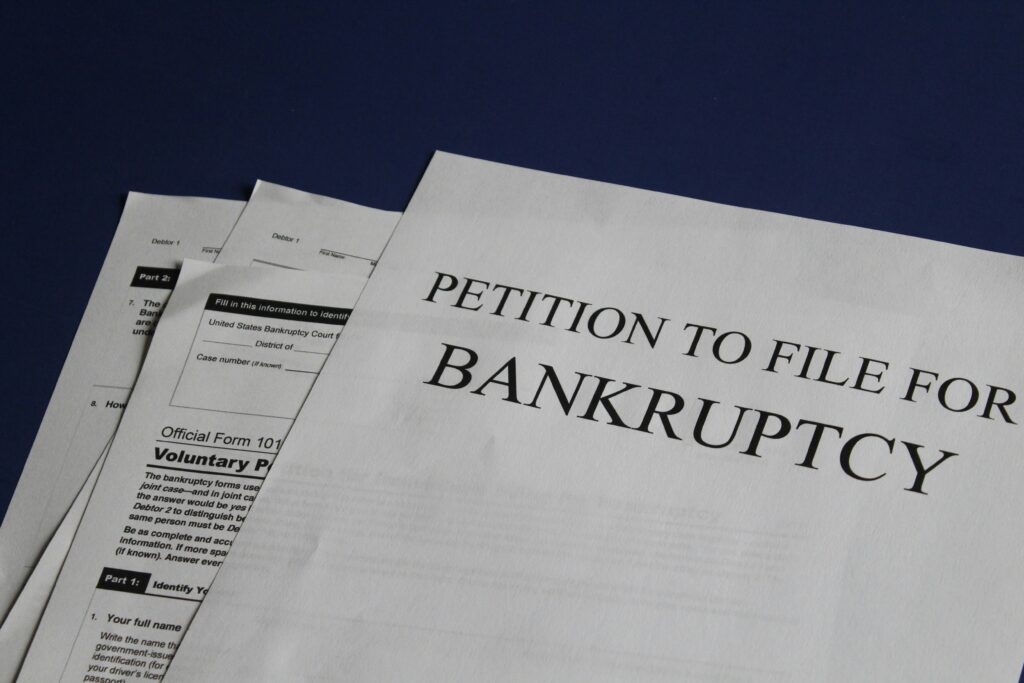
If you’re considering bankruptcy in Pennsylvania, one of your biggest concerns is probably this:
“Will I lose everything?”
The good news is — probably not. Bankruptcy exemptions are designed to protect the property you need to live and work. Understanding how Pennsylvania exemptions work can make the process far less intimidating.
At Ginsburg Law Group, we help consumers evaluate their options and protect what matters most. Here’s what you need to know.
What Are Bankruptcy Exemptions?
Bankruptcy exemptions are laws that allow you to keep certain property when you file for bankruptcy.
In both Chapter 7 and Chapter 13 cases, exemptions determine:
- What property is protected
- What property could potentially be sold in Chapter 7
- How much you may need to repay creditors in Chapter 13
Without exemptions, filing bankruptcy would be far riskier. Fortunately, the law provides safeguards.
Pennsylvania Gives You a Choice: State or Federal Exemptions
Pennsylvania is unique because it allows filers to choose between:
- Pennsylvania state exemptions, or
- Federal bankruptcy exemptions
You cannot mix and match. You must choose one system.
In most cases, the federal exemptions are more generous, especially when it comes to protecting home equity. However, each case is different, and the right choice depends on your assets and financial goals.
Pennsylvania State Bankruptcy Exemptions
Pennsylvania’s state exemptions are relatively limited compared to federal exemptions.
Key Pennsylvania Exemptions:
- Home (Homestead): No specific homestead exemption amount. This is why many homeowners choose federal exemptions.
- Wages: Protection for a portion of earned but unpaid wages.
- Retirement Accounts: Most tax-qualified retirement accounts are protected.
- Life Insurance & Annuities: Certain policies may be protected.
- Personal Property: Limited protections.
Because Pennsylvania does not offer a strong homestead exemption, homeowners with significant equity often choose the federal exemption system instead.
Federal Bankruptcy Exemptions (Often Used in PA)
Many Pennsylvania residents elect the federal system because it includes:
🏠 Homestead Exemption
Protects up to a substantial amount of equity in your primary residence (amount adjusts periodically).
🚗 Motor Vehicle Exemption
Protects equity in your vehicle.
🛋 Personal Property
Covers:
- Household goods
- Clothing
- Appliances
- Furniture
- Jewelry (limited amount)
💼 Tools of the Trade
Protects tools or equipment needed for your job.
💰 Wildcard Exemption
One of the most powerful exemptions — allows you to protect any property of your choice up to a certain dollar amount.
🧓 Retirement Accounts
Most tax-exempt retirement accounts are fully protected under federal law.
What Happens in Chapter 7?
In Chapter 7, a trustee can sell non-exempt property to pay creditors.
However, in most consumer cases:
- Clients lose nothing.
- Property is fully protected by exemptions.
- The case is considered a “no-asset” bankruptcy.
Proper planning before filing is critical to ensure your assets are protected.
What Happens in Chapter 13?
In Chapter 13, you keep your property. Instead of liquidation:
- You enter a 3–5 year repayment plan.
- The amount you repay unsecured creditors depends partly on the value of non-exempt property.
Exemptions still matter because they influence how much your repayment plan must cover.
Special Rules to Know
Residency Requirement
You must have lived in Pennsylvania for at least 730 days (2 years) before filing to use Pennsylvania or federal exemptions tied to PA.
If you recently moved, different rules may apply.
Fraudulent Transfers
You cannot give away property or transfer assets to avoid losing them before filing. Courts review transactions carefully.
Equity Matters
Exemptions protect equity, not the full value of property.
For example:
- If your car is worth $15,000
- And you owe $12,000
- Your equity is $3,000
Exemptions apply to the $3,000.
Why Exemption Planning Matters
Strategic pre-filing planning can:
- Protect your home
- Protect your vehicle
- Protect business tools
- Prevent unnecessary loss of assets
- Determine whether Chapter 7 or Chapter 13 is better
Every financial situation is unique. A mistake in exemption selection can be costly.
Do You Need to File Bankruptcy?
Bankruptcy is a powerful legal tool — but it isn’t right for everyone.
If you’re facing:
- Credit card lawsuits
- Wage garnishment
- Foreclosure
- Repossession
- Aggressive debt collectors
You may have options beyond bankruptcy, including debt defense or FDCPA claims.
Talk to an Experienced Consumer Bankruptcy Attorney
At Ginsburg Law Group, we evaluate:
- Your assets
- Your debt
- Your goals
- Your long-term financial future
Before recommending any course of action.
If you’re overwhelmed by debt, don’t guess about what you might lose. Get clear answers.
📞 Contact us today for a consultation.