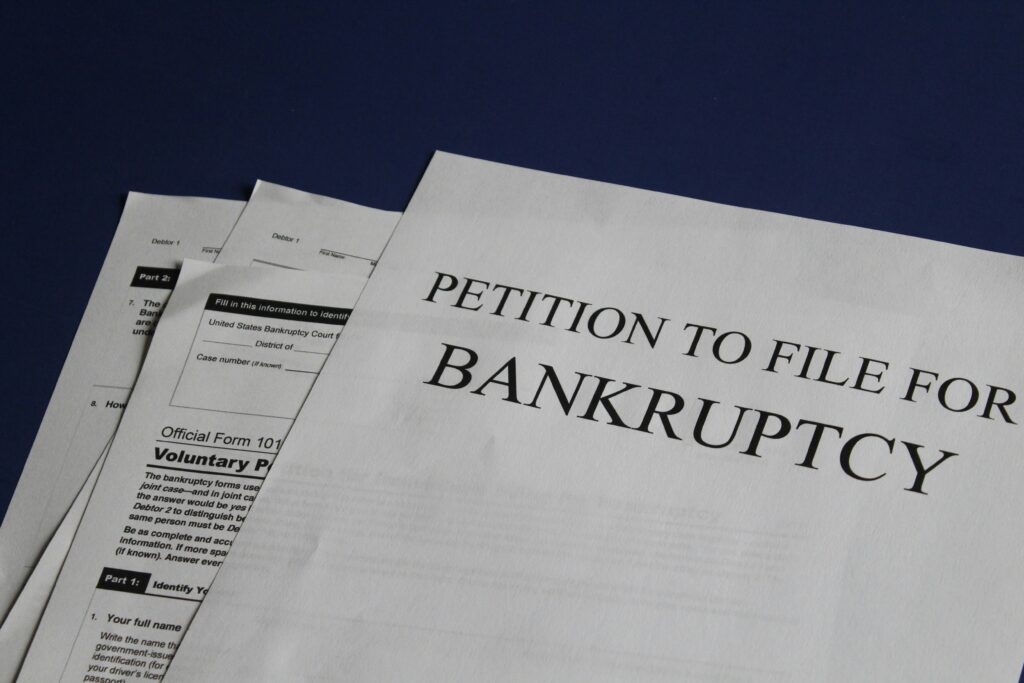
If you live overseas but have U.S. debt, you may still be eligible to file U.S. bankruptcy.
Here’s what matters.
Can I File Bankruptcy While Living Abroad?
Yes — but venue rules apply.
You may be able to file in the U.S. if:
- You lived in a specific district for the majority of the past 180 days.
- You maintain assets in a particular state.
- You have a U.S. domicile.
Bankruptcy courts require proper jurisdiction.
What Debt Can Be Discharged?
Common dischargeable debts include:
- Credit cards
- Personal loans
- Medical bills
- Personal guarantees
- Certain income taxes (if qualified)
Non-dischargeable debts may include:
- Recent taxes
- Fraud-based debts
- Student loans (in most cases)
What About Foreign Income?
If you file Chapter 7:
- Income affects eligibility through the means test.
If you file Chapter 13:
- Foreign income may be included in repayment calculations.
Transparency and documentation are essential.
Can Creditors Sue Me If I’m Overseas?
Yes, U.S. creditors may still file suit in the U.S.
Bankruptcy can stop lawsuits and prevent default judgments — even if you are abroad.
Is It Better to File Before or After Moving?
Often, filing before moving provides:
- Cleaner venue eligibility
- Simpler court appearances
- Less jurisdictional complexity
- Closure before relocation
Timing can make a significant difference.
File Before Moving or Wait? (Decision Guide)
Here’s a practical framework.
File Before Moving If:
- Lawsuits are pending.
- Garnishments have started.
- You have significant U.S. assets.
- You plan to return to the U.S. eventually.
- You want financial closure before relocating.
Consider Waiting If:
- You do not yet qualify under the means test.
- You need time to gather documentation.
- You recently moved and need to establish venue.
- You are resolving debt informally.
Key Questions to Ask
- Do I still have U.S. bank accounts?
- Could creditors obtain a judgment before I leave?
- Do I plan to return?
- Do I owe tax debt?
- Do I have personal guarantees outstanding?
Relocation does not erase liability — but proper timing can reduce long-term consequences.
The Bottom Line
Debt does not automatically disappear when you move overseas.
The IRS can still collect.
Creditors can still sue.
Judgments can still follow you.
In many cases, evaluating bankruptcy options before relocating provides clarity and control.
Timing and structure matter.