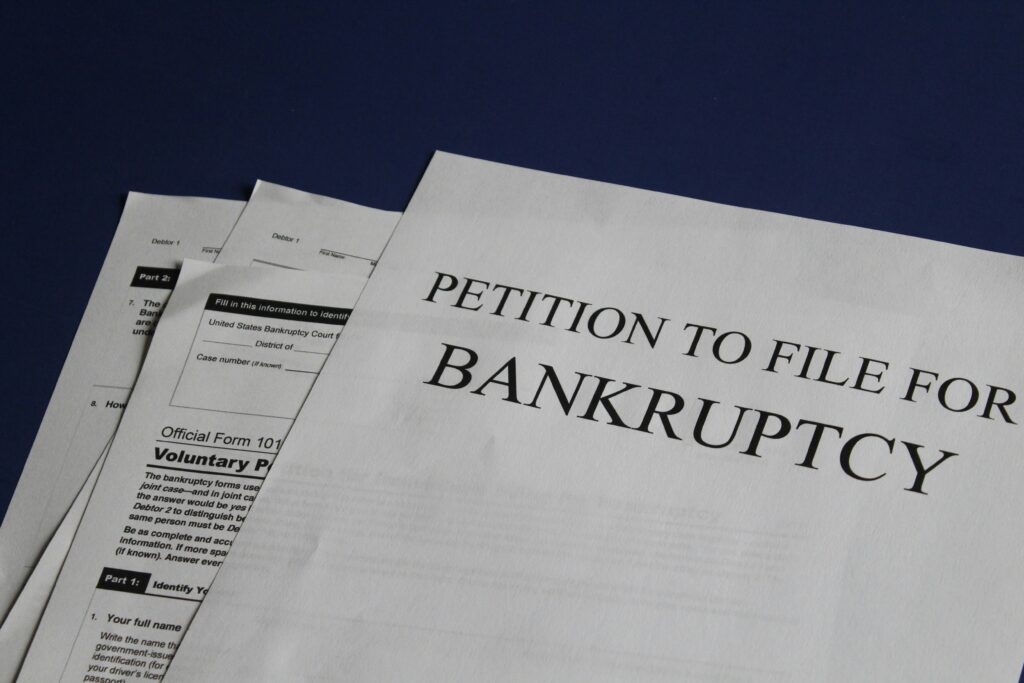
Bankruptcy can be overwhelming — especially if you own a business or want to start one.
Many business owners worry:
- Will I lose my business?
- Can I keep my equipment?
- Will bankruptcy ruin my ability to borrow money?
- Can I ever recover financially?
The truth is: bankruptcy can be a powerful tool for business owners when used strategically.
This guide explains what business owners should know about bankruptcy, the different options available, and what to expect.
Can a Business Owner File Bankruptcy Personally?
Yes. Many business owners file personal bankruptcy because they are personally liable for business debts.
This is especially common when:
- business loans were personally guaranteed
- credit cards were in the owner’s name
- leases were signed personally
- business income collapsed
Even if the debt began as a “business debt,” you may still be personally responsible.
Can a Business File Bankruptcy?
Yes — businesses can file bankruptcy too.
However, the type of business matters:
Sole Proprietorship
A sole proprietorship is not legally separate from the owner. Personal and business debts are usually treated together.
LLC or Corporation
LLCs and corporations are separate legal entities and can file bankruptcy independently.
Types of Bankruptcy for Business Owners
Chapter 7 Bankruptcy (Liquidation)
Chapter 7 is designed to eliminate unsecured debts, such as:
- credit card debt
- personal loans
- medical bills
- certain lawsuit judgments
For business owners, Chapter 7 can be used to:
- discharge personal liability for business debts
- shut down an unprofitable business
- eliminate overwhelming personal guarantees
However, Chapter 7 may involve selling non-exempt assets.
Chapter 13 Bankruptcy (Repayment Plan)
Chapter 13 is a structured repayment plan lasting 3–5 years.
It may allow business owners to:
- catch up on mortgage arrears
- stop foreclosure
- prevent vehicle repossession
- repay debts over time
- keep business assets while paying creditors
Many self-employed individuals prefer Chapter 13 because it provides more control.
Chapter 11 Bankruptcy (Business Reorganization)
Chapter 11 is often used by:
- corporations
- LLCs
- high-income individuals
- businesses with major debts
It is more complex and expensive but can help restructure:
- business loans
- lease obligations
- vendor debts
- tax debts
Some small businesses use a streamlined version called Subchapter V Chapter 11.
What Happens to My Business if I File Bankruptcy?
That depends on:
- your business structure
- whether your business is profitable
- whether the bankruptcy is Chapter 7 or Chapter 13
- what assets your business owns
- whether creditors have liens
You May Be Able to Keep Your Business If:
- it generates income
- your assets are exempt or protected
- you can continue operating without new debt
You May Lose the Business If:
- the business has valuable assets a trustee can liquidate
- creditors have secured claims
- the business cannot generate sustainable revenue
Will Bankruptcy Stop Business Lawsuits?
Yes — in most cases bankruptcy triggers an automatic stay, which can temporarily stop:
- collection lawsuits
- wage garnishments
- bank levies
- repossessions
- foreclosure actions
This is one of the biggest benefits for business owners facing aggressive creditors.
Can I Keep My Business Equipment?
Sometimes.
Whether you can keep business equipment depends on:
- whether it is owned personally or by the business
- whether the equipment is exempt under state or federal law
- whether it is financed or leased
- whether there is a lien on the equipment
This is why business owners should never file bankruptcy without legal advice.
Does Bankruptcy Eliminate Business Debt?
It depends on the type of debt.
Debts Bankruptcy Often Eliminates:
- credit card debt
- personal loans
- business lines of credit (if unsecured)
- contract disputes
- vendor debt
- certain lawsuit judgments
Debts Bankruptcy May Not Eliminate:
- recent taxes
- payroll taxes
- fraud-related debts
- child support or alimony
- certain student loans
What About Personal Guarantees?
Many business owners sign personal guarantees when applying for:
- leases
- SBA loans
- business credit cards
- equipment financing
If your business fails, creditors can pursue your personal assets.
A personal bankruptcy can often discharge those personal guarantees — depending on the circumstances.
Can I Get Business Loans After Bankruptcy?
Yes, but you may need time to rebuild.
Many lenders require:
- 2–3 years after discharge
- re-established credit
- stable income
- proof of savings
- strong business financials
Some alternative lenders may approve earlier, but often at higher interest rates.
Can Bankruptcy Help You Start Over?
For many business owners, yes.
Bankruptcy can provide:
- debt relief
- breathing room to reorganize
- protection from lawsuits
- a chance to rebuild credit
- a clean slate to start a new business
Bankruptcy is not always failure — it can be a strategic business decision.
Common Mistakes Business Owners Make Before Bankruptcy
Before filing, many owners unintentionally make decisions that create legal risk, including:
- transferring assets to family members
- taking cash out of the business without documentation
- paying certain creditors but not others
- using business funds for personal expenses
- failing to file tax returns
These actions can complicate a bankruptcy case.
When Should a Business Owner Speak to an Attorney?
You should consult an attorney if you are experiencing:
- creditor lawsuits
- business loan default
- equipment repossession threats
- foreclosure
- overwhelming credit card debt
- garnishments or levies
- SBA loan collection activity
A consultation can help you determine whether bankruptcy is the best path — or if another solution exists.
Final Thoughts: Bankruptcy Can Be a Business Tool
Bankruptcy can be devastating emotionally, but for business owners it can also be the reset button that makes success possible.
If you’re a business owner drowning in debt, don’t assume there’s no way out.
There may be legal options that allow you to protect yourself, your family, and your future.
Need Help With Bankruptcy or Debt Issues?
If you are a business owner struggling with debt, creditor lawsuits, or collections, we can help evaluate your options.
📞 Contact our office today to schedule a consultation.