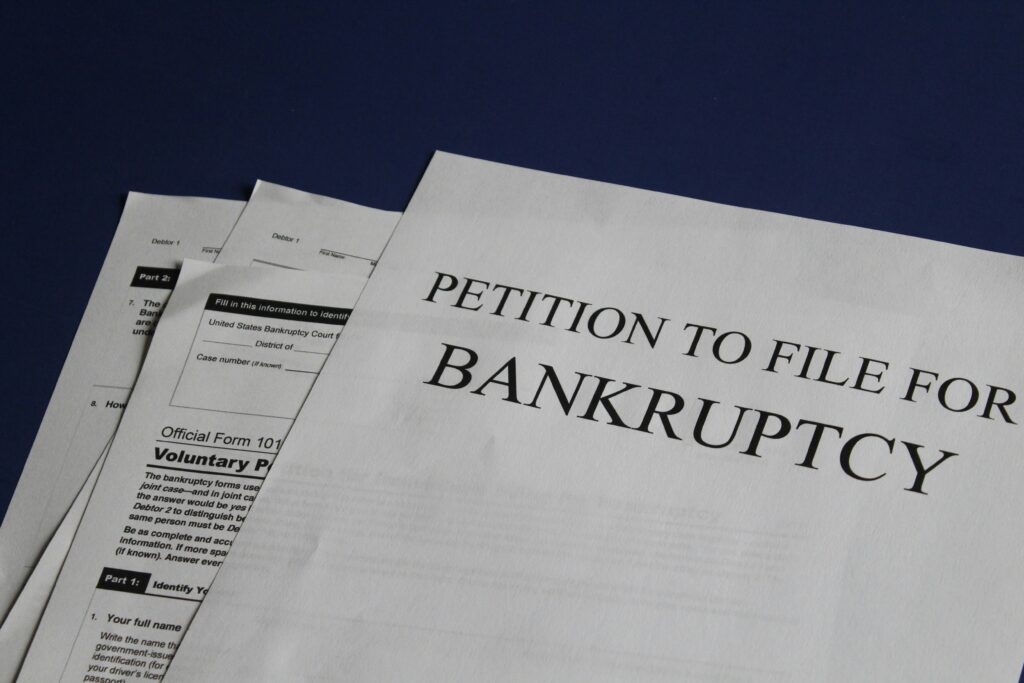
If you’ve gone through bankruptcy and are now trying to rebuild your financial life, you may be wondering:
Can I still qualify for an SBA loan after bankruptcy?
The short answer is: Yes — it is possible, but it depends on your bankruptcy type, how long ago it was discharged, and whether your financial profile has improved since then.
Let’s break down what you need to know.
What Is an SBA Loan?
An SBA loan is a business loan backed by the U.S. Small Business Administration, designed to help small business owners obtain financing with better terms than many traditional loans.
Common SBA loan programs include:
- SBA 7(a) loans (most popular and flexible)
- SBA 504 loans (for commercial real estate/equipment)
- SBA Microloans
- SBA Disaster loans
Although the SBA guarantees part of the loan, the loan is issued by a lender, such as a bank or credit union.
That means SBA eligibility depends not only on SBA rules, but also the lender’s underwriting requirements.
Can You Get an SBA Loan After Bankruptcy?
Yes, you may be able to qualify for an SBA loan after bankruptcy, but the SBA and lenders will look closely at:
- The reason for your bankruptcy
- Your credit history since discharge
- Your current income and cash flow
- Your business plan
- Your down payment or collateral
- Whether you have unpaid federal debt
Many lenders consider bankruptcy a major credit event, but it does not permanently disqualify you.
How Long After Bankruptcy Can You Apply for an SBA Loan?
There is no single “magic number,” but many lenders use these general timelines:
Chapter 7 Bankruptcy
- Often requires 2–3 years after discharge
- Some lenders may require 5+ years, depending on risk
Chapter 13 Bankruptcy
- May be viewed more favorably if you completed repayment
- Some lenders may consider applications 1–2 years after discharge
Bankruptcy Still Open?
If your bankruptcy case is still pending, approval is difficult. In some situations, you may need:
- Court permission
- Trustee approval
- Proof that the loan will not interfere with repayment
SBA Loan Requirements After Bankruptcy
Even after bankruptcy, you may qualify if you can demonstrate financial stability. Most lenders want to see:
1. Re-Established Credit
Lenders typically want proof that you’ve responsibly rebuilt your credit, such as:
- On-time payments for at least 12–24 months
- No new collections or charge-offs
- Credit card balances kept low
2. Strong Business Financials (or a Strong Plan)
If your business already exists, lenders want:
- Profit-and-loss statements
- Business bank statements
- Tax returns
If your business is new, lenders may rely heavily on:
- Your business plan
- Your experience
- Your personal financial stability
3. No Delinquent Federal Debt
If you owe delinquent federal debt (including certain student loans or taxes), you may face automatic denial.
Why SBA Lenders Are Cautious After Bankruptcy
Bankruptcy tells lenders that you previously had serious financial distress. SBA lenders may worry about:
- Lack of repayment capacity
- Poor cash flow management
- Overleveraging
- High risk of default
However, many successful business owners have filed bankruptcy — and lenders know that.
Bankruptcy is often a financial reset, not a permanent failure.
How to Improve Your Chances of SBA Loan Approval After Bankruptcy
Here are steps that can significantly improve your odds:
Build Business Credit
Even before applying, you can begin establishing business credit through:
- EIN registration
- Business bank account
- Vendor accounts
- On-time payment history
Save for a Down Payment
A larger down payment lowers the lender’s risk.
Write a Strong Business Plan
Your plan should explain:
- What you sell
- Who your customers are
- How you will generate revenue
- Your projected monthly income and expenses
- Your growth strategy
Be Honest About Your Bankruptcy
Never attempt to hide bankruptcy. SBA lenders will find it.
Instead, explain the circumstances and show how you’ve changed.
Can Bankruptcy Affect SBA Loan Eligibility Forever?
No. Bankruptcy does not disqualify you forever.
But the more time that passes, and the stronger your financial recovery is, the easier it becomes.
Many lenders want to see at least:
- 2 years of clean credit
- stable income
- strong savings
- responsible financial habits
Should You Speak to a Bankruptcy or Consumer Attorney?
If you’re rebuilding after bankruptcy and trying to start a business, it’s smart to understand:
- whether you have old debts still collectible
- whether you can be sued again
- whether liens still exist
- how bankruptcy impacts your personal guarantees
A legal review can prevent costly mistakes.
Final Thoughts: Yes, You Can Get an SBA Loan After Bankruptcy
You may qualify for an SBA loan after bankruptcy if you show:
- responsible financial rebuilding
- a strong business plan
- sufficient cash flow
- time since discharge
If you’re serious about starting over, bankruptcy does not have to stop you.
It may be the reason you can rebuild successfully.
Need Legal Guidance After Bankruptcy?
If you’re trying to rebuild your finances, protect your income, or handle lingering debt issues after bankruptcy, our firm may be able to help.
📞 Contact our office today for a consultation.