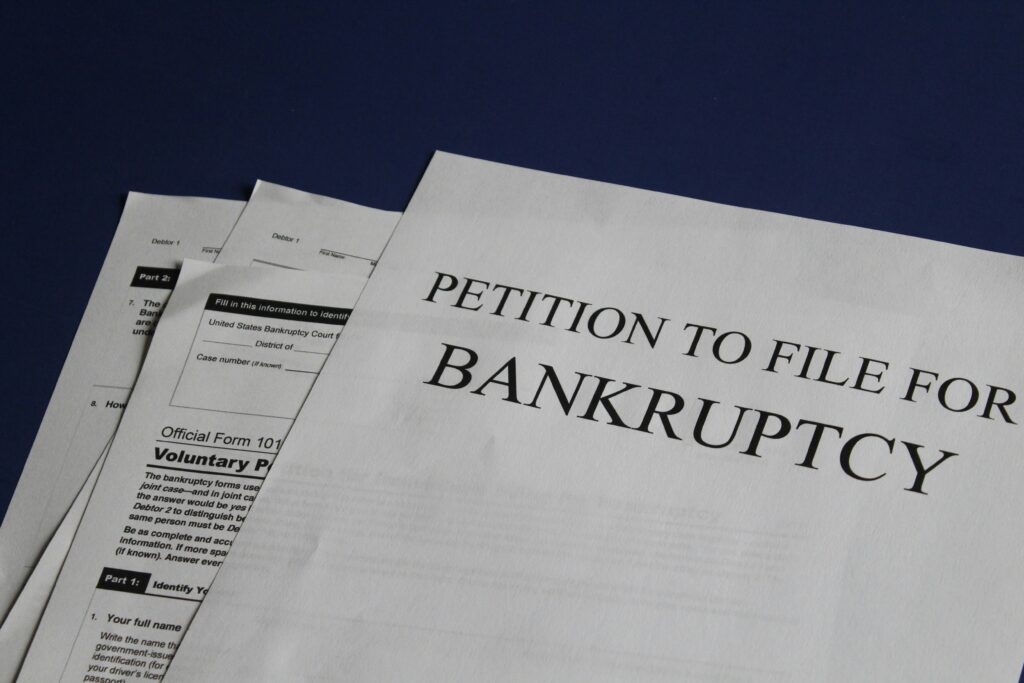
If you’ve filed — or are considering filing — bankruptcy, you may be wondering:
What happens to my business credit?
The answer depends on whether:
- You filed personal bankruptcy
- Your business filed bankruptcy
- The business is a sole proprietorship, LLC, or corporation
- There were personal guarantees involved
Let’s break it down.
First: Business Credit Is Separate (Sometimes)
If your business is:
A Sole Proprietorship
There is no separate business credit.
Your business credit is your personal credit.
If you file personal bankruptcy:
- Your personal credit report reflects the bankruptcy.
- Business accounts tied to your SSN are impacted.
An LLC or Corporation
LLCs and corporations can have their own EIN and business credit profile.
If YOU file personal bankruptcy:
- Your personal credit is affected.
- The company’s credit file may remain intact.
- Vendors may still review your personal credit if guarantees exist.
If the BUSINESS files bankruptcy:
- The company’s credit will be severely impacted.
- Trade lines may close.
- Lenders may restrict future access to financing.
What Happens to Existing Business Accounts?
After bankruptcy:
- Personal guarantees may be discharged.
- Secured creditors may reclaim collateral.
- Trade vendors may shorten payment terms.
- Credit limits may be reduced.
Some vendors will require:
- COD (cash on delivery)
- Personal guarantees again
- Higher security deposits
Can Business Credit Be Rebuilt?
Yes.
Just like personal credit, business credit can be rebuilt over time.
Steps often include:
- Opening small vendor trade lines
- Paying invoices early
- Maintaining positive cash flow
- Separating personal and business finances
- Avoiding new personal guarantees when possible
Many business owners successfully rebuild credit within 1–3 years.
Will Bankruptcy Permanently Destroy Business Credit?
No.
Bankruptcy impacts access to traditional financing in the short term.
But:
- Cash-flow-based lenders may still extend credit.
- Vendor accounts may reopen after consistent payments.
- Equipment financing may become available with stronger down payments.
Time and performance matter more than the filing itself.
The Bigger Question
If bankruptcy allows you to eliminate overwhelming debt and stabilize operations, short-term credit impact may be worth the long-term reset.
Credit can be rebuilt.
Unmanageable debt can be much harder to fix.