Many business owners assume:
“I formed an LLC. My personal assets are protected.”
Sometimes that’s true. Sometimes it’s not.
When Your Personal Assets Are Protected
If:
- The business is an LLC or corporation,
- You did NOT sign a personal guarantee,
- There was no fraud or misconduct,
Then creditors typically can only pursue business assets.
Your house, car, and personal bank accounts are generally protected.
When Your Personal Assets Are at Risk
Your personal assets may be exposed if:
- You signed a personal guarantee.
- You co-signed a business loan.
- You pledged personal property as collateral.
- A court “pierces the corporate veil.”
- There was fraud or misuse of funds.
Most small business loans, SBA loans, and commercial leases require personal guarantees.
If you signed one, you are personally liable.
What Happens After a Lawsuit?
If a creditor obtains a judgment against you personally, they may attempt to:
- Garnish wages (depending on state law)
- Levy bank accounts
- Place liens on property
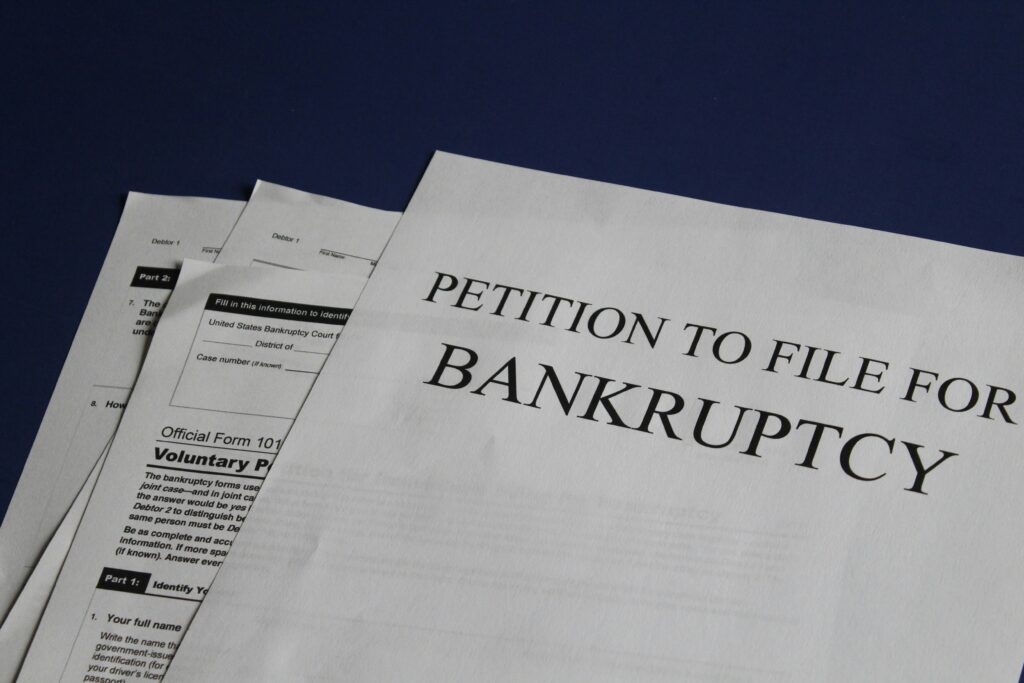
Bankruptcy may stop this process and discharge qualifying debts.
The Takeaway
LLCs provide important protection — but personal guarantees eliminate much of that shield.
Review what you signed. Many business owners are surprised to discover they personally guaranteed major obligations.