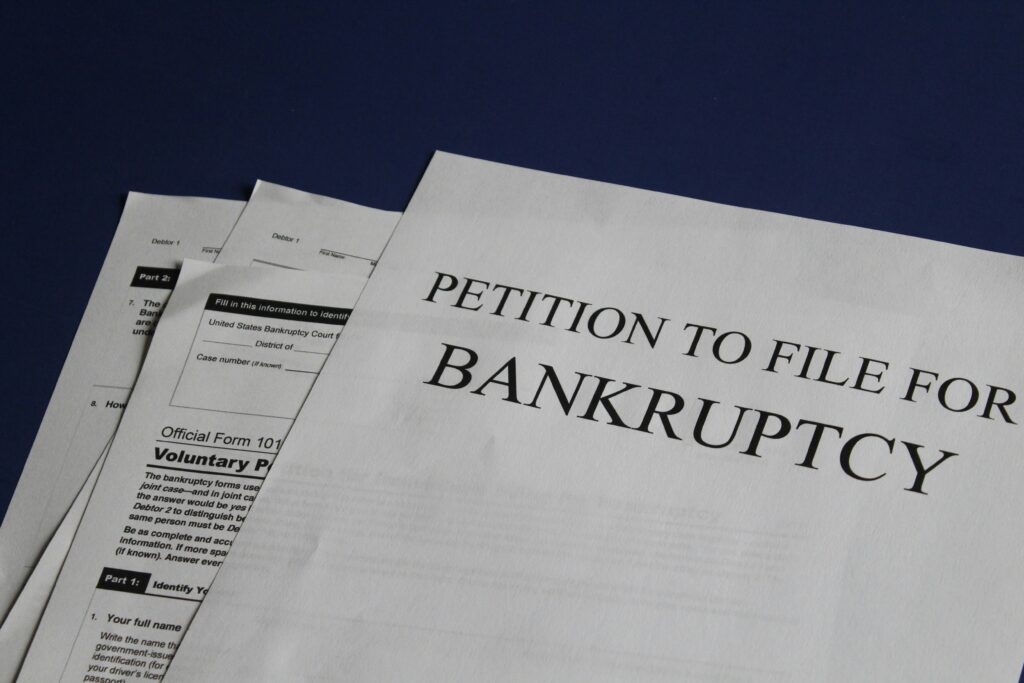
One of the biggest benefits of filing bankruptcy is the automatic stay—a powerful legal protection that immediately stops most collection activity the moment a bankruptcy petition is filed.
The automatic stay can stop:
- Foreclosure sales
- Evictions (in many cases)
- Wage garnishments
- Bank levies
- Collection lawsuits
- Creditor calls and letters
- Vehicle repossessions
- Utility shutoffs
For many people, it’s the main reason they file bankruptcy in the first place.
But what many filers don’t realize is this: the automatic stay is not always guaranteed to last. In some cases, it may expire quickly—or not go into effect at all—unless the debtor takes extra legal steps.
That’s where the concepts of extending the automatic stay and imposing the automatic stay come in.
Let’s break down what these terms mean and when they matter.
What Is the Automatic Stay?
The automatic stay is created under Section 362 of the Bankruptcy Code. It goes into effect immediately when a bankruptcy case is filed and acts like a court-ordered pause button on creditor actions.
Once the bankruptcy is filed, creditors must stop collection activity unless they get permission from the bankruptcy court.
This protection is one of the most powerful tools bankruptcy offers.
However, Congress placed limits on repeat bankruptcy filings to prevent abuse of the system. These limits affect whether the automatic stay applies—and how long it lasts.
What Does It Mean to “Extend” the Automatic Stay?
When extension is needed
You may need to extend the automatic stay if:
✅ You file a new bankruptcy case
AND
✅ You had one bankruptcy case dismissed within the last 12 months
In that situation, the automatic stay automatically expires after 30 days, unless the debtor files a motion asking the court to extend it.
Key rule
If you had one prior bankruptcy case dismissed in the last year, the stay is only temporary.
Without court action, creditors can resume collection efforts on Day 31.
Why Extending the Stay Matters
If the stay is not extended, creditors may legally restart:
- foreclosure proceedings
- repossession actions
- lawsuits
- garnishments
Even if the bankruptcy case is still active.
So if someone is filing bankruptcy to stop an emergency foreclosure or sheriff sale, failing to extend the stay could be disastrous.
How to Extend the Automatic Stay
To extend the stay, the debtor must:
- File a Motion to Extend the Automatic Stay
- File it within 30 days of filing the bankruptcy
- Prove the case was filed in good faith
This often includes explaining why the prior case was dismissed (job loss, illness, missed paperwork, attorney issues, etc.) and demonstrating that circumstances have changed.
The court may schedule a hearing quickly, especially if foreclosure is pending.
If the judge agrees the new filing is legitimate, the stay can be extended for the remainder of the case.
What Does It Mean to “Impose” the Automatic Stay?
When imposing is needed
You may need to impose the automatic stay if:
✅ You file a new bankruptcy case
AND
✅ You had two or more bankruptcy cases dismissed within the last 12 months
In that scenario, the automatic stay does not go into effect at all when the new case is filed.
That means creditors can continue collection immediately unless the debtor takes action.
Key rule
If two or more cases were dismissed in the prior year, there is no automatic stay unless the court imposes it.
So even after filing bankruptcy:
- a foreclosure can proceed
- a car can be repossessed
- a wage garnishment can continue
- lawsuits can continue
Unless the debtor gets a court order imposing the stay.
Why Imposing the Stay Is Urgent
When there is no automatic stay, many debtors assume they’re protected simply because they filed bankruptcy.
But legally, creditors may still move forward.
This is especially dangerous when the debtor is facing:
- a sheriff sale
- an eviction lockout
- vehicle repossession
- aggressive judgment enforcement
In these situations, waiting too long to file the motion can result in losing the property before the court even has time to intervene.
How to Impose the Automatic Stay
To impose the stay, the debtor must file:
Motion to Impose the Automatic Stay
And must do so within 30 days of filing the case.
The debtor must also prove the case was filed in good faith, which is typically a higher burden than in extension cases.
Courts often look at:
- why the prior cases were dismissed
- whether the debtor has stable income now
- whether the debtor is able to make plan payments (in Chapter 13)
- whether the filing is meant to delay creditors
- whether the debtor is making a genuine effort to reorganize or discharge debts
If the judge grants the motion, the stay becomes effective as of the court’s order, and sometimes retroactively depending on the circumstances.
Extending vs. Imposing: The Quick Comparison
| Situation | What Happens Automatically? | What Must Be Done? |
|---|---|---|
| No prior dismissals in last 12 months | Stay begins immediately and continues | Nothing extra needed |
| 1 prior case dismissed in last 12 months | Stay begins but expires after 30 days | File motion to extend stay |
| 2+ cases dismissed in last 12 months | Stay does not go into effect | File motion to impose stay |
When Is It Necessary to Extend or Impose the Automatic Stay?
It is necessary to extend or impose the stay when the debtor needs continued protection from creditor action and has had prior dismissed filings.
This is especially important if the debtor is facing:
Foreclosure
If a home is in foreclosure, a lapse in the stay can allow the lender to proceed with sheriff sale immediately.
Repossession
A car lender may repossess a vehicle even after filing if the stay isn’t in place.
Wage Garnishment
If the stay expires or doesn’t apply, garnishments can continue.
Bank Levy
Creditors may freeze or seize bank funds if the stay isn’t protecting the debtor.
Pending Lawsuits
Litigation can move forward unless the stay is in effect.
In other words, these motions aren’t just technicalities—they can be the difference between saving your home or losing it.
What If the Automatic Stay Is Denied?
If the court denies the motion to extend or impose the stay, creditors regain the ability to pursue collections.
That doesn’t always mean the bankruptcy case is dismissed, but it does mean the debtor loses one of the most important protections bankruptcy provides.
For this reason, these motions should be handled carefully, quickly, and with strong supporting documentation.
Final Thoughts
The automatic stay is a powerful protection, but it is not always automatic for repeat filers.
If you’ve filed bankruptcy before—especially if the case was dismissed—you may need to take immediate action to preserve your protections.
Remember:
- Extend the stay if you had one dismissal in the last year.
- Impose the stay if you had two or more dismissals in the last year.
If you are facing foreclosure, repossession, or garnishment, timing is critical. These motions must usually be filed and heard quickly, often within the first 30 days of the bankruptcy case.
Need Help Protecting Your Home, Car, or Income?
If you are considering bankruptcy and have filed before, you may still be able to stop creditors—but you may need to act fast.
Our office can review your prior filing history and determine whether the automatic stay will apply, whether it must be extended, or whether it must be imposed by court order.
Contact us today for a consultation.