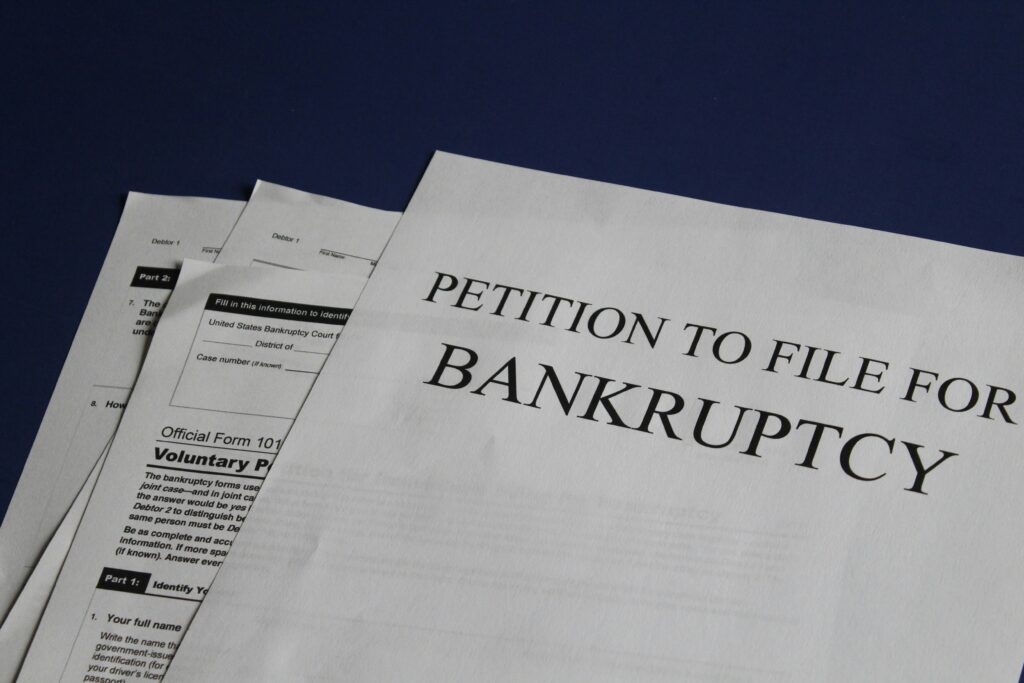
Thinking about bankruptcy can feel overwhelming—especially if you’re juggling bills, collection calls, or a lawsuit. Many people delay getting advice because they’re embarrassed or unsure what they’ll be asked to provide.
A smoother consultation starts with two things: (1) a clear snapshot of your finances, and (2) the right documents. You don’t need to have everything perfect, but gathering key information helps a lawyer evaluate options and avoid surprises.
This post covers a practical “prep list” for a bankruptcy consultation in plain English.
First: know your goal
Before you gather paperwork, take five minutes to write down what you want to accomplish:
- Stop collection calls?
- Stop wage garnishment?
- Deal with a lawsuit?
- Catch up on a car payment?
- Address medical bills or credit cards?
Your goal helps shape the strategy and the questions you’ll be asked.
The core documents to gather
1) Income proof
Bring:
- Recent pay stubs (if you’re employed)
- Proof of other income (benefits, child support, retirement, gig work)
- If self-employed: profit/loss summary and recent bank statements
2) Tax returns
- Most recent federal and state returns you filed
- If you didn’t file, note which years are missing
3) A list of your debts
Start with what you know:
- Credit cards
- Medical bills
- Personal loans
- Payday loans
- Collection accounts
- Student loans
- Any lawsuits or judgments
Tip: A credit report can help you identify accounts you forgot.
4) Asset information
You’ll likely be asked about:
- Vehicles (make/model/year, loan info)
- Real estate (mortgage statements, approximate value)
- Bank accounts (recent statements)
- Retirement accounts
- Valuable personal property (tools, jewelry, collectibles)
5) Monthly expenses
Make a realistic list:
- Rent/mortgage
- Utilities
- Food
- Transportation
- Insurance
- Childcare
- Medical costs
- Minimum debt payments
6) Legal paperwork
If you have any of these, bring them:
- Collection letters
- Court complaints/summons
- Garnishment notices
- Repossession notices
- Foreclosure notices
Deadlines matter, so legal paperwork is especially important.
What to document (your timeline)
Write a simple timeline:
- When the financial problem started
- Major events (job loss, medical issue, divorce)
- Any recent large purchases or transfers
- Any recent lawsuits or collection actions
This helps your attorney ask the right questions.
Common misconceptions
“I’ll lose everything.”
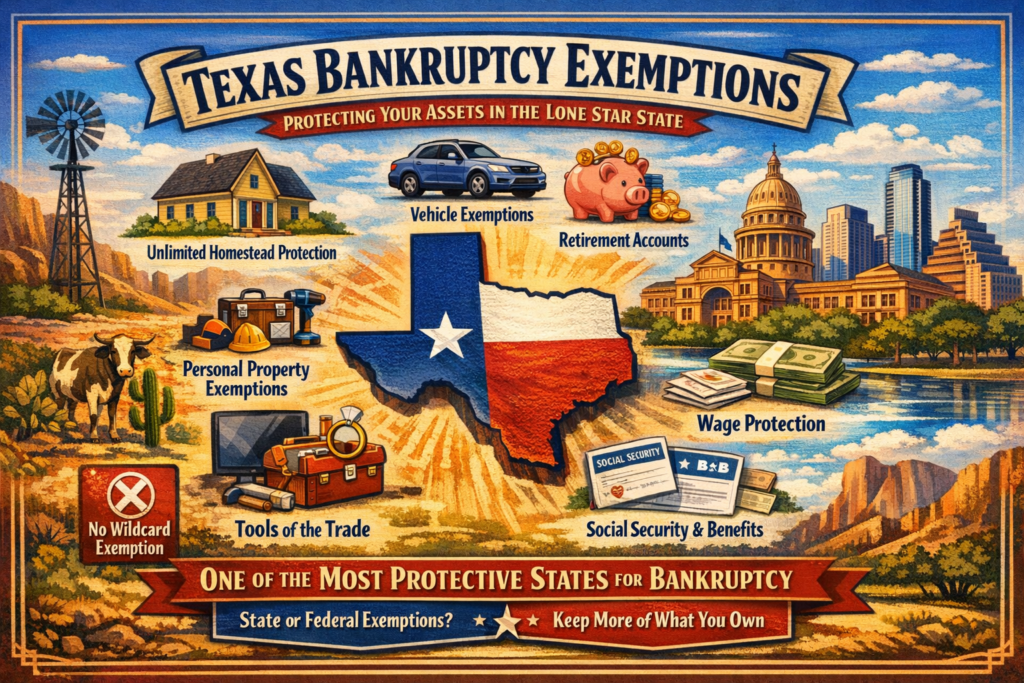
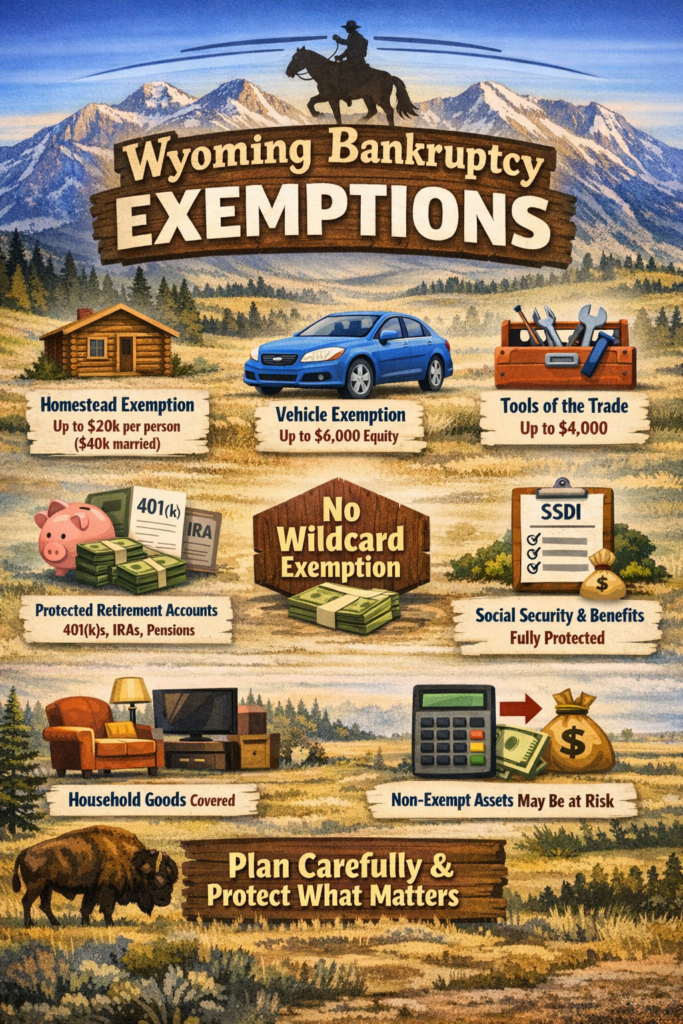
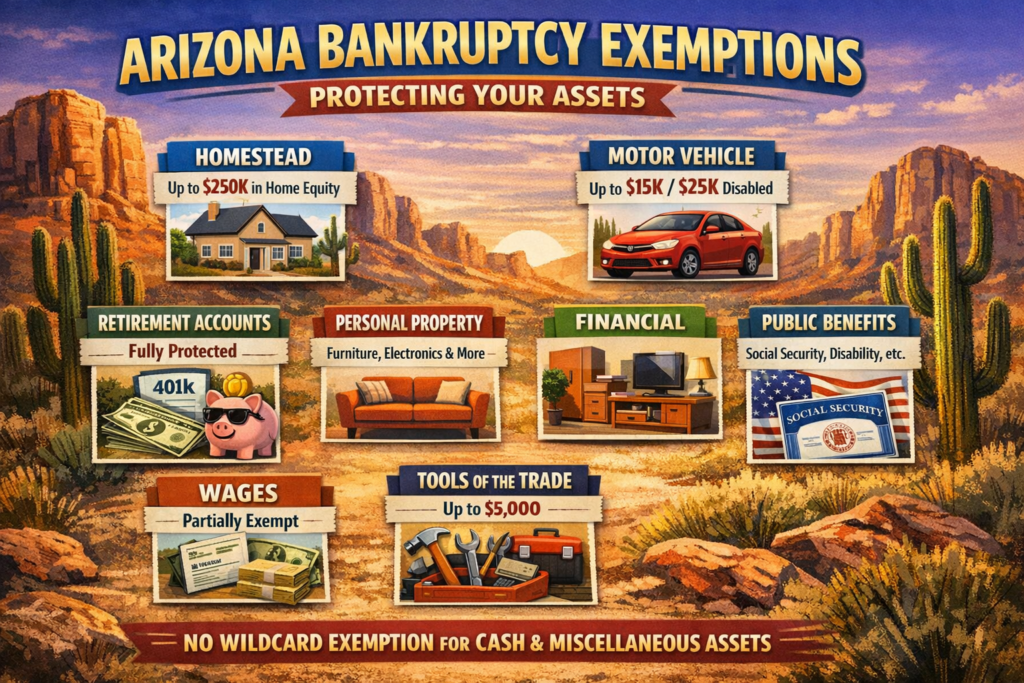
Many people are surprised to learn that bankruptcy laws include protections, and outcomes depend on the facts.
“I have to be completely broke to file.”
Eligibility and strategy depend on income, debt type, and goals.
“I should wait until things get worse.”
Waiting can reduce options—especially if there are lawsuits, garnishments, or repossession risks.
If you’re considering bankruptcy and want clear, practical guidance, Ginsburg Law Group, PC can help you understand your options and what documents matter most for your situation. Contact us for a free case evaluation—and if you can, bring your income info, debt list, and any court paperwork so we can give you the most accurate advice.