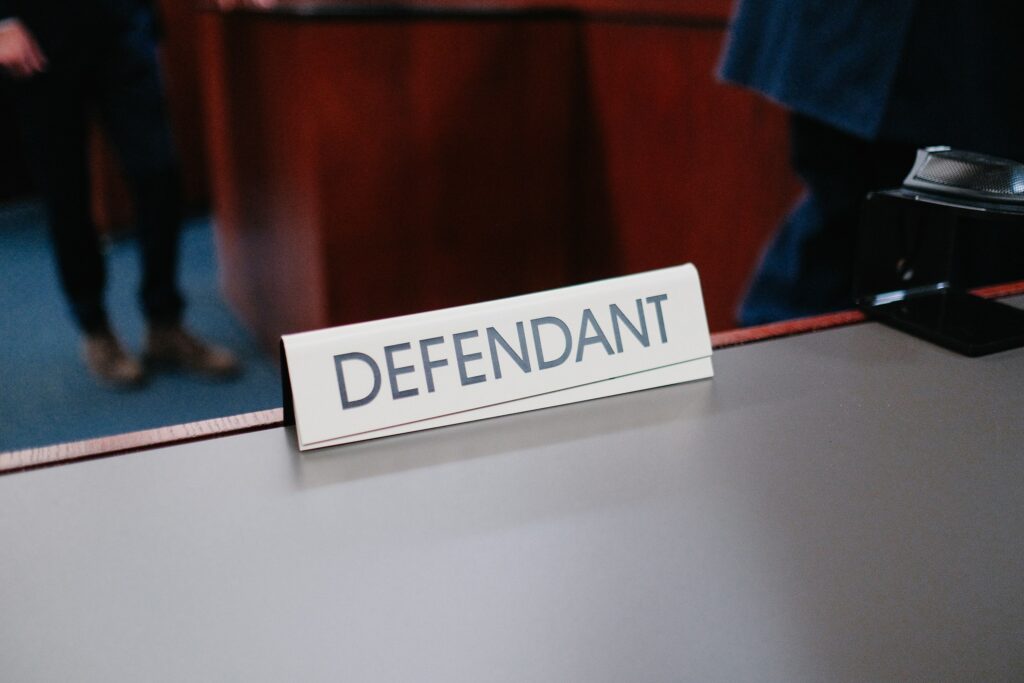
Every day, across the country, millions of people walk into courtrooms alone.
They are tenants facing eviction. Consumers sued over alleged debts. Parents navigating custody disputes. Workers asserting their rights. And in each of these cases, they are expected to operate within a legal system designed—both structurally and culturally—for trained attorneys.
This is the reality of pro se litigation, where individuals represent themselves without a lawyer. A recent article in the Baylor Law Review takes a hard look at this system, asking a fundamental question:
Can a legal system built on formal rules truly deliver fairness when one side does not understand how to use them?
The Myth of Neutral Procedure
At the heart of our legal system is a powerful idea: that procedural rules are neutral. The same rules apply to both sides, and fairness comes from equal application.
But in practice, neutrality does not always produce equity.
Procedural rules—filing requirements, evidentiary standards, deadlines, motion practice—are not intuitive. They are learned skills. Attorneys spend years mastering them.
For a pro se litigant, these rules can feel like a foreign language.
The result? What appears to be a fair system on paper often produces unequal outcomes in reality.
The Power Imbalance: Repeat Players vs. One-Time Participants
One of the most striking insights from the article is the imbalance between “repeat players” and “one-shotters.”
- Repeat players: landlords, debt buyers, financial institutions, and government entities—frequent participants in the legal system with legal representation and institutional knowledge.
- One-shotters: individuals navigating the system for the first (and often only) time, frequently without counsel.
This imbalance is especially visible in high-volume courts like:
- Landlord-tenant courts
- Debt collection courts
- Small claims courts
In debt collection cases, for example, default judgments are obtained in a staggering percentage of cases—often because defendants fail to appear or respond, not because the claims are necessarily valid.
This is not just a participation gap. It is a power gap.
When the “Rules on the Books” Aren’t the Only Rules
Another critical point raised is that the formal rules of procedure are often only part of the story.
Courtrooms operate with:
- Informal practices
- Unwritten expectations
- Local norms and customs
Attorneys learn these through experience. Judges and clerks assume familiarity.
Pro se litigants, however, are left guessing.
This creates a hidden layer of disadvantage:
Even when someone tries to follow the rules, they may still fall short because they don’t know how the rules are actually applied in practice.
Default Judgments and the Illusion of Justice
One of the clearest manifestations of procedural inequity is the prevalence of default judgments.
In many consumer debt cases:
- Defendants do not respond to the lawsuit
- Courts enter judgment without substantive review
- Wages may be garnished or bank accounts frozen
But why do people fail to respond?
It is often not indifference. It is:
- Confusion about legal documents
- Fear of the court system
- Inability to take time off work
- Lack of understanding of consequences
In these situations, procedure becomes a mechanism that transforms non-participation into liability.
The Role of Judges: Neutral Arbiter or Active Facilitator?
A central tension in pro se procedure is the role of the judge.
Traditionally, judges are expected to remain neutral arbiters—applying the law without favoring either side.
But when one party is unrepresented, strict neutrality can reinforce inequality.
This raises difficult questions:
- Should judges explain procedures to pro se litigants?
- Should they relax evidentiary rules?
- Should they intervene when one side is clearly disadvantaged?
Too much assistance risks undermining neutrality. Too little risks perpetuating unfairness.
There is no easy answer—but ignoring the tension does not resolve it.
Procedural Justice vs. Substantive Justice
The legal system often prioritizes procedural justice—ensuring that the correct steps are followed.
But for pro se litigants, procedural missteps can prevent cases from ever reaching substantive issues.
A valid defense may never be heard because:
- A filing deadline was missed
- A document was improperly formatted
- Evidence was not presented in the correct way
In these cases, outcomes are determined not by the merits, but by procedural fluency.
The Broader Implications for Consumer Protection
For those practicing in consumer law, this issue is impossible to ignore.
Many of the cases we see—particularly in debt collection—are shaped more by procedural dynamics than substantive disputes.
Key concerns include:
- Mass filings by debt buyers relying on default judgments
- Limited documentation supporting claims
- Consumers unaware of their rights or defenses
- Aggressive post-judgment enforcement
When defendants are unrepresented, the system often moves quickly—and unchallenged.
Rethinking Fairness: Toward a More Equitable System
If the goal of the legal system is justice, not just efficiency, then reforms are necessary.
The article points toward several potential approaches:
1. Simplifying Procedures
Courts can reduce complexity by:
- Streamlining forms
- Using plain language
- Creating clearer instructions
2. Expanding Access to Counsel
Even limited-scope representation can make a significant difference in outcomes.
Programs that provide:
- Legal aid
- Court-appointed counsel in certain cases
- Pro bono assistance
can help level the playing field.
Learn More About our Guided Defense Program. Our services are designed for pro se (self-represented) consumers. We help you understand the lawsuit, your deadlines, and your options, so you can move forward with more clarity and confidence.
3. Redesigning Court Processes
Some courts are experimenting with:
- Problem-solving courts
- Self-help centers
- Guided online filing systems
These innovations aim to make the system more navigable for non-lawyers.
4. Adjusting Judicial Roles
Judges can adopt practices that:
- Ensure understanding of key rights
- Clarify procedures without advocating
- Prevent exploitation of procedural gaps
5. Increasing Oversight of High-Volume Litigation
Particularly in debt collection, courts can:
- Require better documentation
- Scrutinize claims more closely
- Limit default judgments without sufficient proof
The Equity Lens: Treating Unequals Unequally
One of the most important takeaways is that formal equality is not the same as fairness.
Applying identical rules to parties with vastly different levels of knowledge, resources, and power does not create justice—it can entrench inequality.
True equity may require:
- Flexibility in applying procedural rules
- Recognition of structural disadvantages
- Intentional efforts to balance power disparities
A System at a Crossroads
The rise in pro se litigation is not a temporary phenomenon—it is a defining feature of the modern legal system.
As legal costs rise and access to counsel remains limited, more individuals will continue to represent themselves.
The question is whether the system will adapt.
Will it remain a system where:
- Procedure dominates substance
- Repeat players consistently prevail
- Outcomes are shaped by access to legal knowledge
Or will it evolve into one where:
- Fairness accounts for real-world disparities
- Courts are accessible to all participants
- Justice is measured by outcomes, not just process
Final Thoughts
The promise of the legal system is not just that it applies rules consistently—but that it delivers justice.
For pro se litigants, that promise is often out of reach.
Recognizing the role of power, knowledge, and access in shaping legal outcomes is the first step toward meaningful reform.
Because a system that works only for those who understand it is not truly a system of justice—it is a system of advantage.
If you are facing a legal issue—especially in areas like debt collection or consumer protection—understanding your rights and options can make a critical difference.
This article is for informational purposes only and does not constitute legal advice.