One of the most common reactions we hear from clients is:
“Why do you need so much paperwork?”
“Why is bankruptcy this detailed?”
If you feel overwhelmed by the document requests, you’re not alone.
Bankruptcy can feel paperwork-heavy — but there’s a reason for it.
Let’s explain why.
📌 Bankruptcy Is Federal Court
First and most importantly:
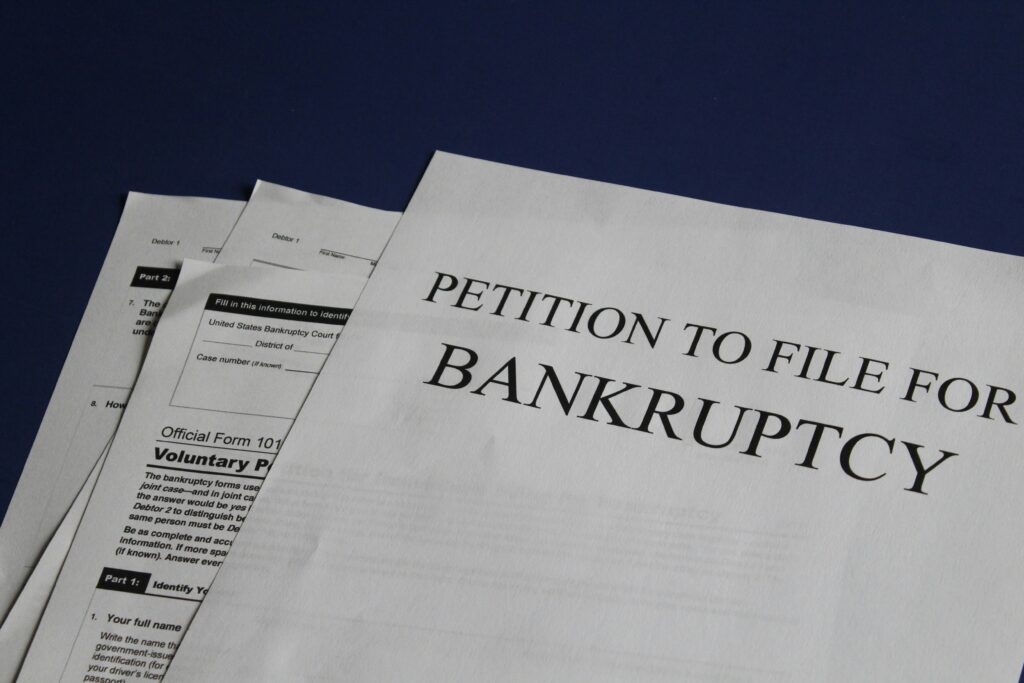
Bankruptcy is not just filling out forms.
It is a federal court case.
When you file, you are:
- Swearing under oath that everything is true
- Asking a federal judge to eliminate debt
- Requesting legal protection from creditors
That level of relief requires full financial disclosure.
⚖️ The System Is Built on Transparency
Bankruptcy only works if it’s honest and complete.
You must disclose:
- All income
- All debts
- All assets
- All financial accounts
- All recent transfers
- All business interests
Even small details matter.
The court does not assume.
It verifies.
💰 Trustees Have a Duty to Review Everything
A bankruptcy trustee is assigned to your case.
Their job is to:
- Verify accuracy
- Look for undisclosed assets
- Ensure creditors are treated fairly
- Confirm eligibility under the law
To do that, they need documentation.
That’s why they request:
- Bank statements
- Pay stubs
- Tax returns
- Property valuations
- Retirement account statements
It’s not personal — it’s procedural.
🧾 Why So Many Forms?
Bankruptcy schedules cover every aspect of your financial life.
There are separate forms for:
- Real property
- Personal property
- Secured debt
- Unsecured debt
- Leases and contracts
- Income
- Expenses
- Co-debtors
- Financial history
It’s designed to create a full financial snapshot.
Think of it as a financial X-ray.
🚩 Mistakes Have Consequences
Because bankruptcy is based on sworn statements:
- Omitting assets can lead to loss of discharge.
- Failing to disclose transfers can trigger litigation.
- Inaccurate income reporting can result in dismissal.
- Intentional misstatements can lead to criminal penalties.
The paperwork protects both you and the integrity of the system.
🏦 Bankruptcy Stops Powerful Collection Tools
When you file, the automatic stay:
- Stops lawsuits
- Stops garnishments
- Stops foreclosures (temporarily)
- Stops repossessions (temporarily)
- Stops collection calls
That protection is strong.
Strong protection requires detailed documentation.
🧠 Why Attorneys Ask for “Everything”
Sometimes clients say:
“Do you really need my PayPal statements?”
“Do you really need all 6 months of bank statements?”
Yes — because trustees routinely ask for them.
A well-prepared case:
✔ Reduces trustee questions
✔ Prevents delays
✔ Avoids amendments
✔ Protects your discharge
Gathering documents upfront prevents bigger problems later.
📉 The Paperwork Phase Is Temporary
The most intense paperwork stage happens:
- Before filing
- In the first few weeks after filing
Once documents are reviewed and the 341 meeting is completed, most Chapter 7 cases become much quieter.
The heavy lift is early.
📌 The Bigger Perspective
Bankruptcy can eliminate:
- Tens of thousands of dollars in debt
- Years of financial stress
- Ongoing collection pressure
In exchange, the court asks for full financial transparency.
That’s the tradeoff.
📌 Bottom Line
Bankruptcy is paperwork-heavy because:
- It’s federal court
- It requires sworn disclosure
- Trustees must verify your financial picture
- The relief it provides is powerful
The paperwork isn’t there to punish you.
It’s there to protect your fresh start.