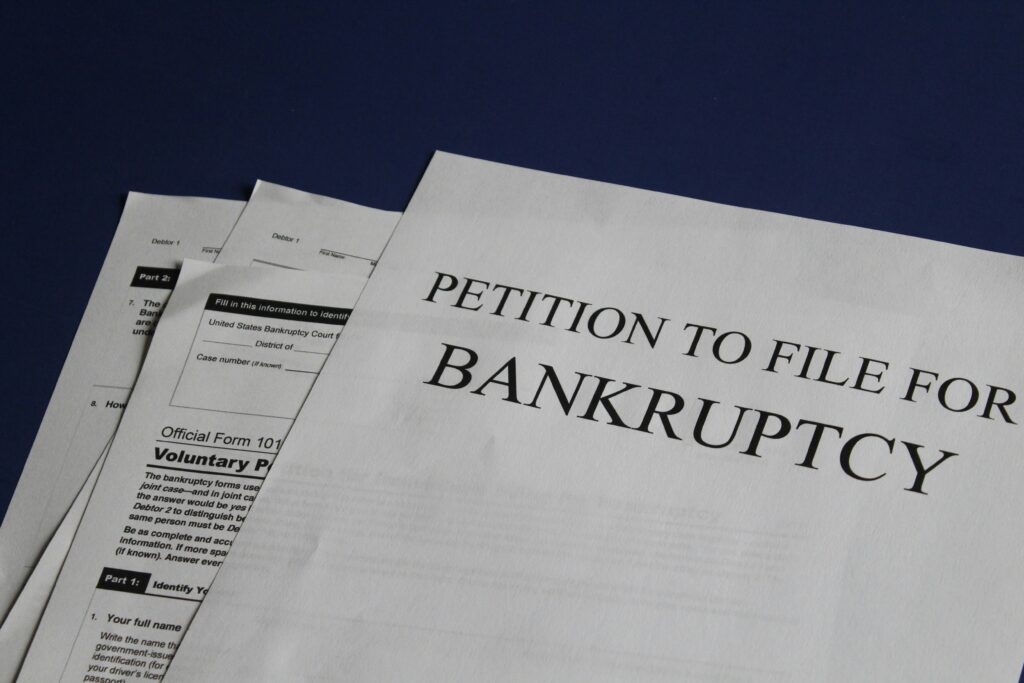
If you’re thinking about bankruptcy, you may be wondering:
“What can I still pay?”
“What transfers are safe before I file?”
“What will cause problems?”
This is one of the most important planning questions in bankruptcy.
Let’s break it down.
📌 First Rule: Don’t Move Money Without Advice
Before filing, assume that:
- All large transfers will be reviewed.
- Trustees will examine bank statements.
- Timing matters.
Transparency and planning are critical.
✅ Generally Safe Transfers
While every case is unique, the following are usually safe:
1️⃣ Ordinary Living Expenses
- Rent or mortgage payments
- Utilities
- Groceries
- Gas
- Insurance
- Medical expenses
Normal, necessary expenses are expected.
2️⃣ Regular Monthly Payments in the Ordinary Course
If you’ve consistently paid certain bills in the normal pattern and timing, they are less likely to raise issues.
Example:
- Making your usual car payment.
- Paying utilities on time.
3️⃣ Payments for Current Value
If you pay and receive something at the same time (like buying groceries or paying for services rendered), that’s generally fine.
This is called a “contemporaneous exchange.”
4️⃣ Necessary Business Expenses (If Self-Employed)
- Payroll
- Rent
- Vendor payments made in the ordinary course
But business transfers require closer review.
⚠️ Transfers That Can Cause Problems
🚩 Repaying Family or Friends
Insider repayments within one year can be recovered.
🚩 Paying Off One Creditor in Full
Large lump-sum settlements within 90 days can be considered preferences.
🚩 Gifting Money
Gifts made while insolvent can be considered fraudulent transfers.
🚩 Transferring Property Titles
Adding someone to your deed or transferring a car title before filing can trigger serious review.
🚩 Selling Assets for Less Than Fair Value
If you sell something to a relative for below market value, it may be challenged.
💳 What About Using My Credit Cards?
Using credit cards for:
- Luxury purchases
- Large cash advances
- Significant charges shortly before filing
Can lead to dischargeability challenges.
Routine, necessary purchases are less problematic — but timing matters.
🧠 The 90-Day and 1-Year Windows
Keep in mind:
- 90 days for regular creditor preference review
- 1 year for insider (family) payments
- 2 years (or more under state law) for fraudulent transfer review
Trustees examine those windows closely.
📌 The Safest Strategy
Before filing bankruptcy:
✔ Avoid large transfers.
✔ Avoid repaying family.
✔ Avoid selling or gifting property.
✔ Continue normal living expenses only.
✔ Consult your attorney before moving money.
Planning ahead can prevent adversary proceedings later.
Bottom Line
There are safe transfers before filing — but only when they are:
- Ordinary
- Necessary
- Reasonable
- Fully disclosed
When in doubt, don’t guess.
A short conversation with your bankruptcy attorney before making a transfer can prevent major complications later.