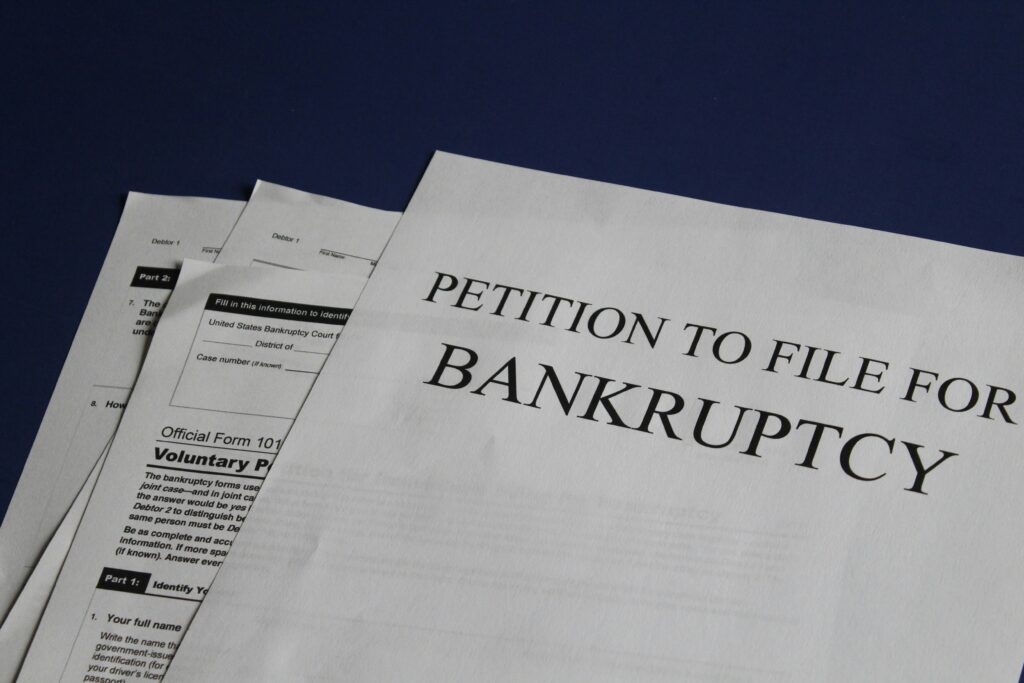
If you own a business and are considering bankruptcy, one of the biggest fears is:
“Will I lose my business if I file?”
The answer depends on:
- Your business structure
- The type of bankruptcy filed
- Whether business debts are personally guaranteed
- Whether the business is profitable
Here’s how it works.
First: What Type of Business Do You Have?
Your legal structure matters.
Sole Proprietorship
If you operate as a sole proprietor:
- There is no legal separation between you and the business.
- Business assets are your personal assets.
- Business debts are your personal debts.
If you file personal bankruptcy, your business is part of the bankruptcy.
You may be able to:
- Continue operating
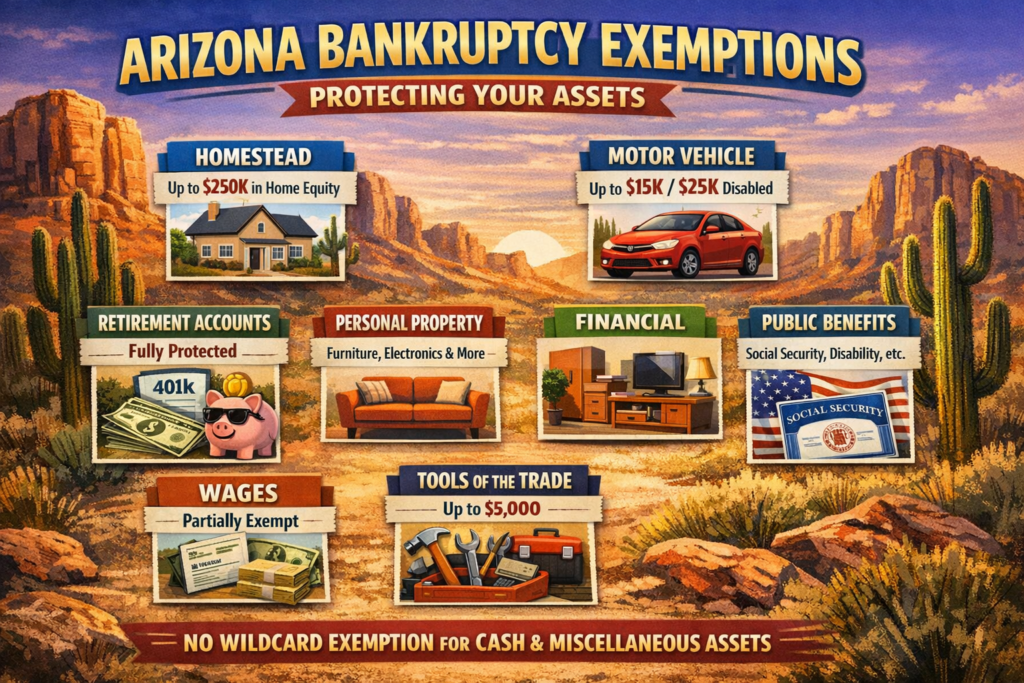
- Protect tools of the trade
- Discharge business debts
But non-exempt assets could potentially be at risk in Chapter 7.
LLC or Corporation
If your business is an LLC or corporation:
- It is legally separate from you.
- The company’s assets belong to the company.
- The company’s debts belong to the company.
However, this separation only protects you if you did not sign personal guarantees.
What Happens in Chapter 7?
Chapter 7 is liquidation.
Sole Proprietor
If you are a sole proprietor:
- The business is part of your bankruptcy estate.
- Non-exempt assets could be liquidated.
- You may continue operating if there are no non-exempt assets to sell.
Many small sole proprietors continue operating after filing Chapter 7 — especially service-based businesses with minimal assets.
LLC or Corporation Owner
If you own an LLC or corporation and file personal Chapter 7:
- Your ownership interest becomes part of the bankruptcy estate.
- The trustee may evaluate whether the ownership interest has value.
- If the business has no net value, the trustee may abandon it.
- If the business has significant value, the trustee could attempt to sell your ownership interest.
The company itself does not automatically shut down because you filed personally.
What Happens in Chapter 13?
Chapter 13 is a reorganization for individuals.
You propose a repayment plan over 3–5 years.
For business owners, Chapter 13 can:
- Stop lawsuits
- Stop garnishments
- Protect business income
- Allow continued operation
Many small business owners use Chapter 13 to:
- Keep their company running
- Repay tax debt over time
- Manage personal guarantees
Chapter 13 can be especially useful if your business is still generating income.
What About Business Debts?
The key question:
Did you personally guarantee the business debt?
If yes:
- You are personally liable.
- Your bankruptcy may discharge your personal liability.
- The creditor may still pursue the business.
If no personal guarantee:
- The creditor generally cannot pursue you personally.
- The business remains responsible.
What About Business Equipment?
It depends on:
- Whether equipment is financed
- Whether there is a secured loan
- Whether you want to keep it
- Whether it is necessary for income
You may be able to:
- Reaffirm secured debt
- Redeem equipment
- Continue paying through Chapter 13
Will Bankruptcy Ruin My Business Reputation?
This depends on:
- Industry
- Clients
- Whether vendors require credit checks
- Public disclosure
For many small service businesses, clients are unaware.
The larger issue is often vendor relationships and credit access.
Can I Keep Operating After Filing?
In many cases, yes.
Business owners frequently continue operating after filing personal bankruptcy.
The key factors are:
- Asset value
- Profitability
- Personal guarantees
- Type of bankruptcy
If the business is viable, bankruptcy may actually help stabilize it by:
- Eliminating personal debt
- Stopping collection pressure
- Freeing up cash flow
What If the Business Needs Bankruptcy Too?
If the business itself is overwhelmed:
- An LLC or corporation may file Chapter 7 or Chapter 11 separately.
- A sole proprietor’s business is handled within the personal case.
The strategy depends on whether the business is worth saving.
The Most Important Question
Is the business profitable?
If yes, bankruptcy may protect it.
If no, bankruptcy may allow you to close it and move forward without personal liability from guarantees.
The Bottom Line
Filing personal bankruptcy does not automatically mean you lose your business.
What happens depends on:
- Business structure
- Asset value
- Guarantees
- Bankruptcy chapter
- Financial health of the company
For many small business owners, bankruptcy is not the end — it’s a restructuring tool.
If you own a business and are considering bankruptcy, evaluating both personal and business exposure together is critical.