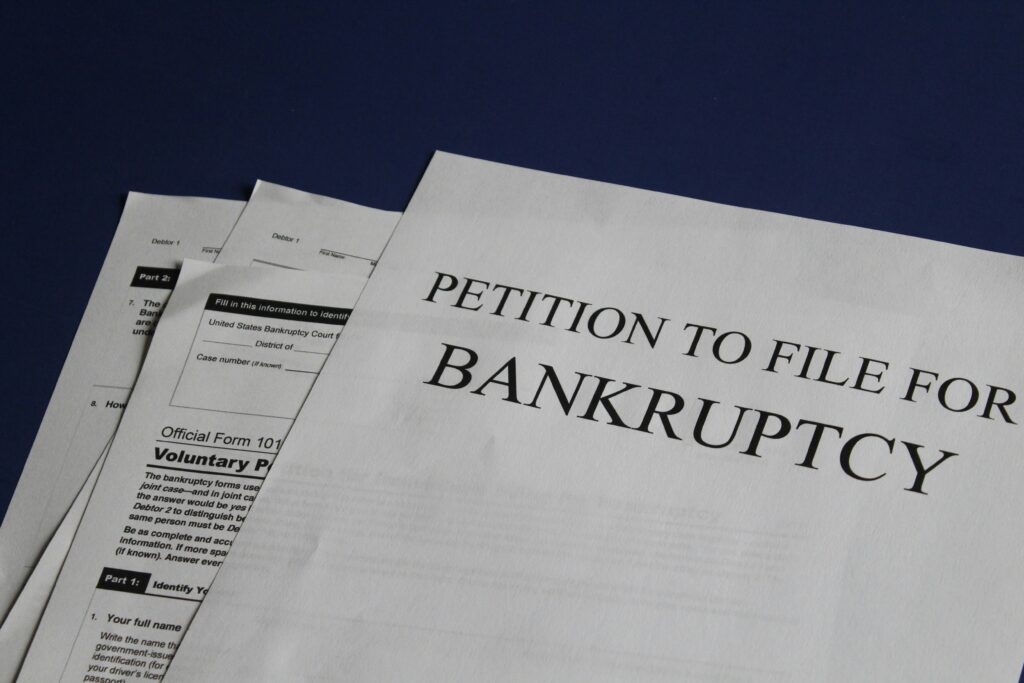
If you’re considering bankruptcy, one of the biggest concerns is:
“How am I supposed to pay for this when I’m already broke?”
It’s a fair question. Let’s walk through the most common questions about bankruptcy costs and payment options.
💰 How Much Does Bankruptcy Cost?
Costs vary depending on the chapter filed and complexity of the case.
Chapter 7
- Court filing fee: $338
- Credit counseling courses: $20–$50 each
- Attorney fees: Typically $1,500–$3,500 (varies by case and location)
Chapter 13
- Court filing fee: $313
- Credit counseling courses: $20–$50 each
- Attorney fees: Often $3,000–$6,000
- A large portion of attorney fees can usually be paid through the repayment plan
Every case is different. Complexity, assets, lawsuits, and business ownership can affect fees.
❓ Why Do Chapter 7 Fees Usually Have to Be Paid Upfront?
In Chapter 7, any unpaid legal fees owed before filing become dischargeable debt.
That means:
- If you still owe your attorney money when you file, that balance could legally be wiped out.
- Attorneys cannot ethically continue working on discharged debt.
That’s why most Chapter 7 attorneys require payment before filing.
💳 Can I Use a Credit Card to Pay My Attorney?
Usually no — at least not if the card will be included in the bankruptcy.
Charging attorney fees right before filing can lead to:
- Fraud allegations
- Non-dischargeable debt
- Litigation by the credit card company
If the card will not be included in your bankruptcy, it may be possible — but this must be analyzed carefully.
👨👩👧 Can I Borrow Money From Family?
Yes — in many cases you can.
But:
- The loan must be disclosed.
- You should not repay family before filing without legal advice.
- Repayment before filing can create preference issues.
Transparency is essential.
🧾 What Is a Bifurcated Fee Agreement?
A bifurcated agreement splits fees into two parts:
- A smaller fee paid before filing.
- A second agreement for post-filing services paid over time.
This can make Chapter 7 more accessible for people who cannot afford the full amount upfront.
However:
- Total cost may be higher.
- Not all courts allow it.
- Terms must be reviewed carefully.
📅 Can I Make Payments Before Filing?
Yes. Many firms offer pre-filing payment plans.
The case is filed once the agreed fee is paid in full (for traditional Chapter 7).
This allows clients to prepare while staying compliant.
🏦 Why Is Chapter 13 Different?
Chapter 13 allows attorney fees to be paid through the 3–5 year repayment plan.
Typically:
- A small portion is paid upfront.
- The rest is included in the plan payments.
This makes Chapter 13 more manageable for people who need immediate protection but cannot afford full fees upfront.
⚖️ Is Filing Without an Attorney Cheaper?
Filing “pro se” avoids attorney fees — but it carries risk.
Common issues include:
- Losing property due to incorrect exemptions
- Dismissed cases
- Denied discharges
- Procedural errors
- Trustee objections
Fixing mistakes can cost far more than hiring counsel from the start.
Comparison Chart: Bankruptcy Payment Options
| Payment Option | Upfront Cost | Ongoing Payments | Risk Level | Best For |
|---|---|---|---|---|
| Pay in Full Before Filing (Ch. 7) | Higher | None | Lowest | Simple Chapter 7 cases |
| Pre-Filing Installments (Ch. 7) | Gradual until filing | None after filing | Low | Those who can wait to file |
| Bifurcated Agreement (Ch. 7) | Lower upfront | Yes (post-filing) | Moderate (must be structured properly) | Those needing immediate filing |
| Chapter 13 Plan Payments | Lower upfront | Paid through 3–5 year plan | Low | Steady income & need structured repayment |
| Borrowing from Family | Varies | Depends on agreement | Low if disclosed properly | Clients needing help covering fees |
| Credit Card (included in BK) | Low upfront | Risk of non-dischargeable debt | High | Generally not advised |
What’s the Safest Way to Pay?
The safest payment method is:
- Transparent
- Fully disclosed
- Structured in compliance with bankruptcy law
- Approved by your attorney
The worst approach is hiding transactions or trying to “get creative” without legal advice.
The Bigger Perspective
If bankruptcy eliminates:
- $20,000
- $50,000
- $100,000+
The filing cost is often small compared to the long-term financial relief.
The real goal isn’t just filing.
It’s filing correctly — and protecting your fresh start.
Final Thoughts
If cost is the only thing stopping you from filing, talk to an experienced bankruptcy attorney about:
- Payment plan options
- Chapter comparison
- Timing strategies
- Whether bankruptcy is even necessary
There are often more solutions than people realize.