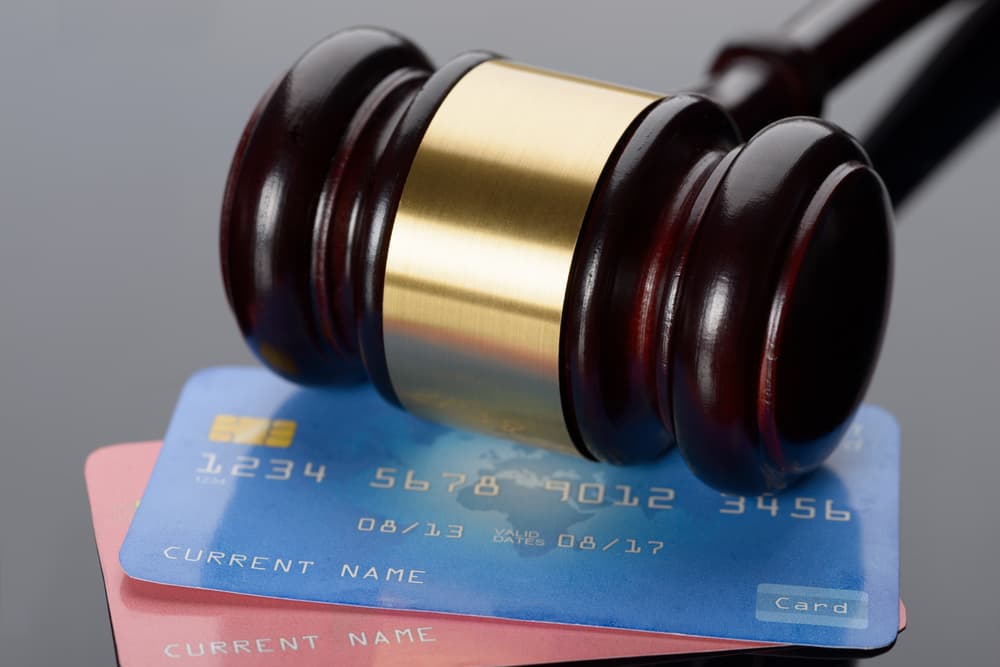
If your wages are being garnished, it usually means the creditor has already obtained a court judgment.
Wage garnishment can be financially devastating, but depending on your state and situation, you may still have options to stop it or reduce it.
Here’s what you need to know.
Step 1: Confirm There Is a Judgment
In most credit card debt cases, wage garnishment cannot happen unless the creditor first obtained a judgment.
You should obtain copies of:
- the judgment
- the garnishment order
- court docket history
Step 2: Check Whether You Were Properly Served
Many garnishments come from default judgments.
If you were never properly served, you may be able to file a motion to:
- vacate the judgment
- reopen the case
- set aside the default judgment
If successful, garnishment may stop.
Step 3: File Exemption Claims (If Applicable)
Some income is protected from garnishment, such as:
- Social Security
- disability benefits
- certain retirement income
- public assistance
If your wages are low or you qualify for exemptions, you may be able to reduce or stop garnishment.
Step 4: Negotiate With the Creditor
Even after judgment, many creditors will settle.
A settlement may stop garnishment if:
- you pay a lump sum
- you enter a payment agreement
- the creditor agrees to release garnishment
Always get the agreement in writing.
Step 5: Consider Bankruptcy (If Appropriate)
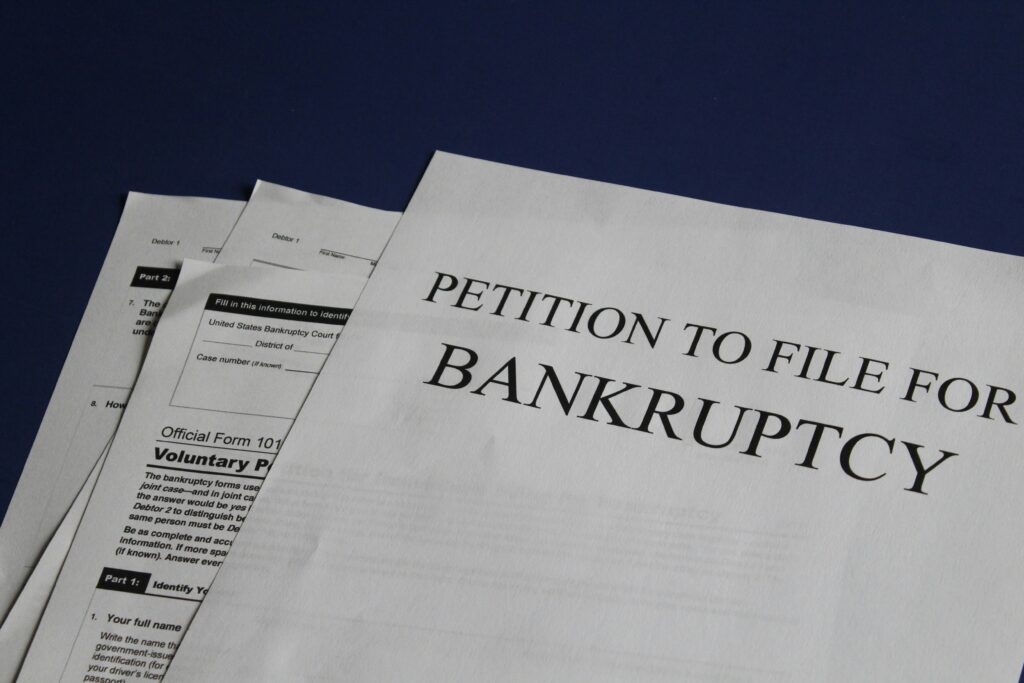
Bankruptcy may stop wage garnishment immediately through the automatic stay.
This is not the right solution for everyone, but it can provide relief in severe cases.
Step 6: Attend Any Court Hearings
If you ignore post-judgment hearings, the creditor may continue aggressive collection efforts.
Bottom Line
Stopping wage garnishment after judgment may be possible, but timing matters. If garnishment has started, you should act quickly.