A question we got:
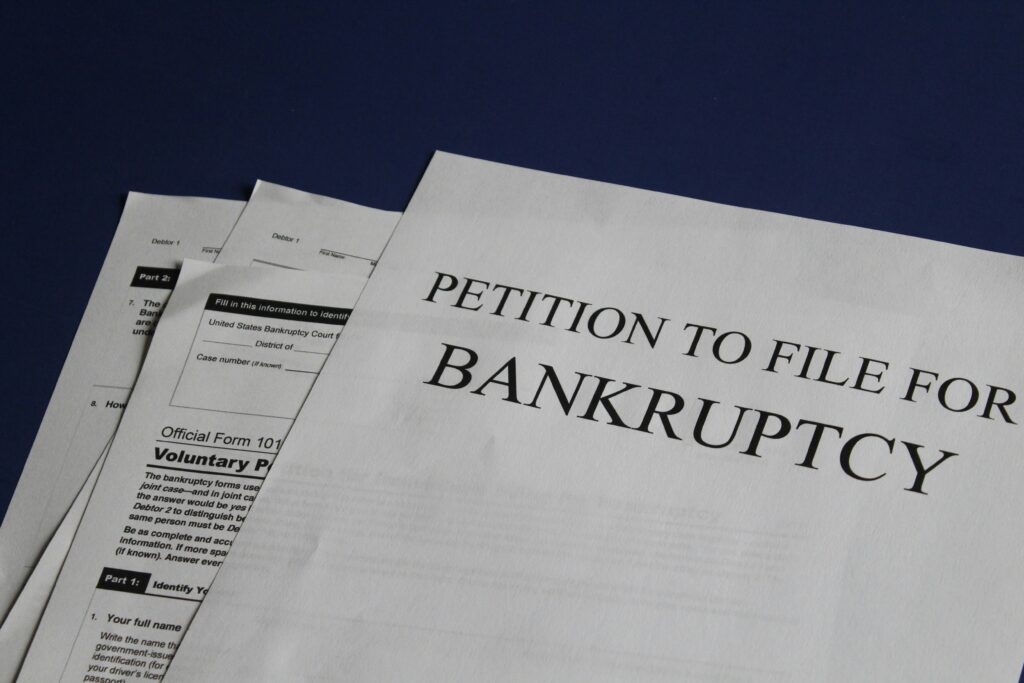
“I’m 27. I messed up my credit when I turned 18. I have hospital bills, credit cards, one or two repossessions, and maybe a student loan. I can’t open a bank account or get any type of credit. Should I keep ignoring my credit like I’ve been doing, or should I file bankruptcy now? I had my credit cleaned, but the accounts still show — even though they’re closed.”
First, take a breath.
You are not alone. And 27 is absolutely not “too late” to fix your financial situation.
Let’s break this down.
💳 “I Messed Up My Credit at 18”
Many people turn 18 with no financial education and immediate access to credit. Add medical bills, job instability, or emergencies — and things spiral quickly.
What matters isn’t what happened at 18.
What matters is what you do now.
At 27, you still have decades of financial life ahead of you. Bankruptcy is not a failure — it’s a legal reset button.
🏥 Hospital Bills, Credit Cards & Repos
The good news:
- Medical bills are dischargeable in bankruptcy.
- Credit card debt is dischargeable in bankruptcy.
- Deficiency balances from repossessions (what’s left after the car was taken and sold) are usually dischargeable.
If these debts are preventing you from opening bank accounts, rebuilding credit, or moving forward, bankruptcy may actually improve your situation — not hurt it.
🎓 What About Student Loans?
This is where things are different.
Student loans are generally not dischargeable unless you can prove “undue hardship,” which is a difficult legal standard.
However, even if student loans remain, eliminating other debt through Chapter 7 can:
- Free up income
- Improve debt-to-income ratio
- Make student loan payments more manageable
- Improve your credit over time
Bankruptcy doesn’t have to eliminate everything to still help significantly.
🚫 “I Just Don’t Use My Credit”
Many people think:
“If I just ignore it long enough, it’ll go away.”
Here’s the reality:
- Negative accounts can remain on your credit report for up to 7 years.
- Judgments can last even longer.
- Collection activity can continue.
- You may continue being denied bank accounts due to unpaid balances reported to systems like ChexSystems.
Avoiding your credit doesn’t rebuild it. It just freezes you in place.
🧹 “I Had My Credit Cleaned, But It Still Shows”
Credit repair companies can dispute items, but they cannot legally remove accurate information.
If the debts are valid — even if closed — they can remain on your report for the reporting period.
Closed does not mean erased.
Bankruptcy, on the other hand, legally eliminates the debt. Once discharged:
- Balances update to $0.
- Accounts show “included in bankruptcy.”
- Collection activity must stop.
- You can begin rebuilding properly.
📅 Should You File at 27?
Here’s something important:
If you wait until you’re 35 to fix something you could fix at 27, that’s eight more years of:
- Denials
- Stress
- Limited housing options
- Higher insurance rates
- Financial frustration
Many of our clients say the same thing after filing:
“I wish I had done this sooner.”
Bankruptcy stays on your credit report for up to 10 years — but most people begin receiving credit offers within months of discharge. Why? Because lenders prefer someone who has wiped out old debt and has a clean slate over someone with ongoing collections.
🔎 When Filing Makes Sense
Filing may make sense if:
- You cannot realistically repay the debt.
- Collections are ongoing.
- You are being denied basic financial access.
- You feel stuck and unable to move forward.
It may not make sense if:
- The debt is very small.
- It is about to fall off your report.
- You can realistically pay it down in a short period of time.
This is very case-specific.
💡 Bankruptcy Is a Financial Tool — Not a Moral Judgment
You were 18.
You didn’t have guidance.
Life happened.
At 27, filing bankruptcy is not “giving up.”
It can be the most responsible financial decision you make.
The real question isn’t:
“Am I too young to file?”
The real question is:
“How long do I want to stay stuck?”
📞 Final Thoughts
If you’re unsure whether to keep waiting or file now, the best next step is a consultation with a bankruptcy attorney who can review:
- Total debt
- Income
- Assets
- Student loan status
- Timeline of accounts
A short conversation can give you clarity — and possibly a fresh start.
You are not your 18-year-old mistakes.
And 27 is a perfect age to rebuild correctly.