A credit report error can cost you real money: higher interest rates, denied housing, lost job opportunities, or a loan that suddenly “doesn’t qualify.”
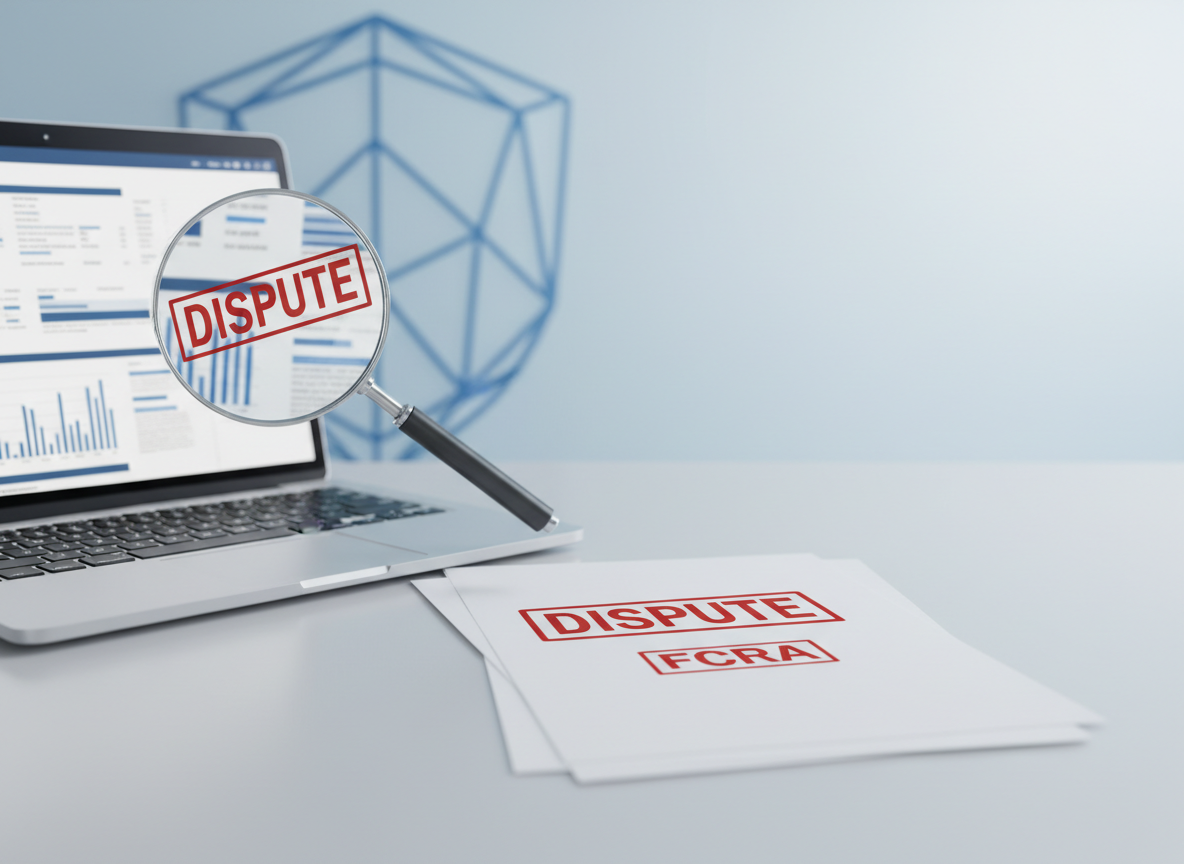
Most people do the responsible thing: they dispute the error. And then… nothing changes. Or worse, the bureau “verifies” a debt that clearly isn’t accurate.
If that’s happening to you, here’s what matters under the Fair Credit Reporting Act (FCRA) and how to build a clean record.
Step 1: Know the players (and who is responsible)
Credit reporting problems usually involve:
- Credit bureaus (Equifax, Experian, TransUnion)
- Furnishers (credit card companies, lenders, collectors) who report data
- Sometimes data aggregators or mixed files (someone else’s info on your report)
Both bureaus and furnishers can have legal obligations, depending on what happened and what notice they received.
Step 2: “Verified” doesn’t mean “true”
A common frustration is getting a dispute result that says the item was “verified.”
That word can be misleading. The real question is whether the investigation was reasonable and whether the information being reported is accurate and complete.
If the bureau or furnisher keeps reporting something wrong after you provide clear proof, that can be a serious issue.
Step 3: The dispute you send matters (a lot)
Many people dispute online with a short sentence like: “This isn’t mine.”
That can be a start, but stronger disputes are:
- Specific (what is wrong and why)
- Supported (documents attached)
- Trackable (proof of what you sent and when)
Helpful documents can include:
- Identity theft report / FTC affidavit (if applicable)
- Police report (in some cases)
- Account statements showing payment history
- Letters from the creditor
- Court documents (if a lawsuit/judgment is being misreported)
- Driver’s license + utility bill (to help prevent mixed files)
Step 4: Watch for these common credit report errors
- Accounts that aren’t yours (mixed file)
- Wrong balance, wrong limit, wrong payment status
- Debt reported as late when it was deferred/paid
- Duplicate collections for the same debt
- Re-aged accounts (making old debt look newer)
- Incorrect personal information (addresses/employers) that signals a mixed file
Step 5: Build your “paper trail” like you’re proving a case (because you are)
Keep a folder with:
- Copies of your credit reports before and after disputes
- Screenshots of online dispute submissions (if used)
- All letters sent/received
- Certified mail receipts (if you mail disputes)
- Notes of phone calls (date/time/name/summary)
If you end up needing legal help, this documentation can save weeks.
Step 6: What to do if the error is hurting you right now
If you’re in the middle of:
- a mortgage application,
- a rental application,
- a car purchase,
- or employment screening,
…tell your lender/landlord/employer you’re disputing an error and ask what documentation they will accept temporarily.
Also, consider requesting:
- rapid rescore (through a lender in some situations),
- or a written statement of dispute (not ideal, but sometimes better than silence).
Step 7: When to talk to a consumer lawyer
Consider getting legal advice if:
- You disputed with proof and the error remains
- The same wrong item keeps reappearing
- You’re seeing mixed-file indicators
- A collector is reporting inaccurate information
- The error is causing denials or higher rates
Depending on the facts, some FCRA matters may allow recovery of damages and attorney fees under the statute—again, it depends on evidence and jurisdiction.
Want help fixing it (and documenting it correctly)?
If you disputed a credit report error and it’s still showing up—or you’re getting “verified” results that don’t make sense—call 855-978-6564 or email info@ginsburglawgroup.com. We’ll tell you what to gather and what next steps usually work best.
This article is general information and not legal advice. Outcomes depend on facts, evidence, and jurisdiction.