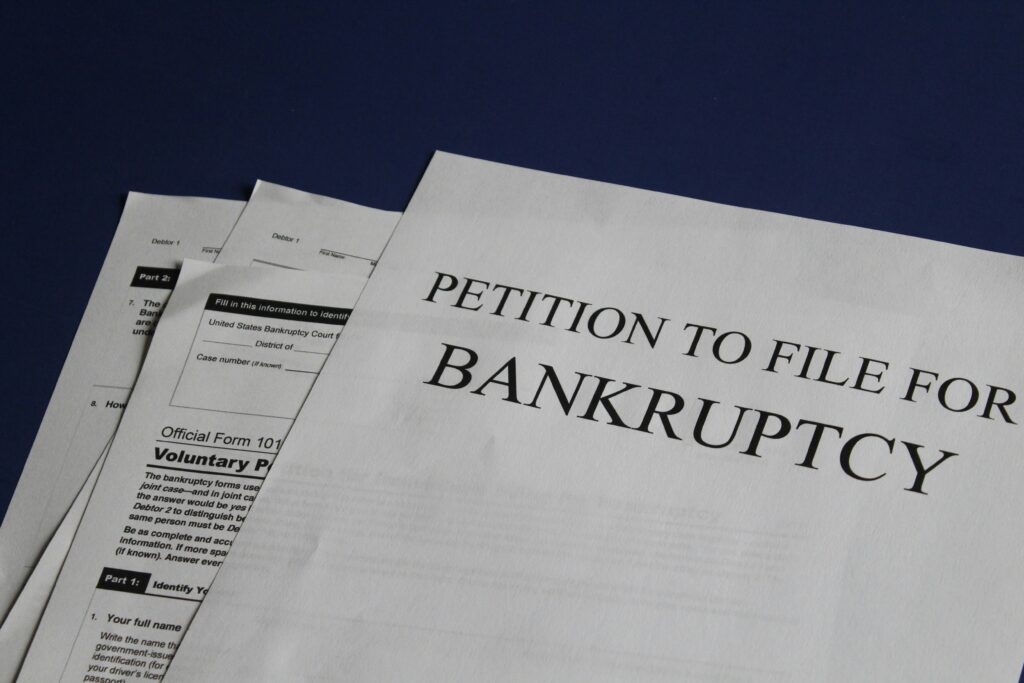
If you’re going through bankruptcy and someone tells you that you may have to attend a discharge hearing, it can be really nerve-wracking.
A lot of people immediately panic and think:
- “Am I in trouble?”
- “Did I do something wrong?”
- “Are they going to deny my discharge?”
- “Is the judge going to question me?”
So it’s completely normal to ask:
Has anybody had to attend a discharge hearing to be discharged? What usually happens?
The good news is:
✅ Most people never have to attend a discharge hearing.
But if you do, it doesn’t automatically mean something bad.
Here’s what you should know.
What Is a Discharge Hearing?
A discharge hearing is a court hearing where the judge addresses an issue that needs to be resolved before your bankruptcy discharge can be entered.
In most Chapter 7 cases, discharge happens automatically after a certain period of time without any hearing.
So if a hearing is scheduled, it usually means the court needs clarification on something.
Why Would Someone Have a Discharge Hearing?
There are several common reasons, including:
1. A Creditor Objected to the Discharge
A creditor may file an objection claiming the debt should not be discharged (for example, fraud allegations).
2. The Trustee Has Questions
Sometimes the trustee believes more information is needed about income, assets, or transfers.
3. Missing Documents
If certain documents weren’t submitted (tax returns, certificates, financial management course completion, etc.), the court may schedule a hearing.
4. A Reaffirmation Agreement Issue
Sometimes reaffirmation agreements (especially car loans) require a hearing if the judge believes reaffirmation may not be in your best interest.
5. Allegations of Fraud or Errors
If something appears incorrect or incomplete, the court may require a hearing to address it.
What Usually Happens at the Hearing?
Most discharge hearings are not dramatic.
Typically, the hearing is:
- short (often 5–15 minutes)
- held by Zoom or in person
- mostly procedural
- focused on a specific issue
The judge may ask simple questions such as:
- Did you review and sign your bankruptcy papers?
- Is everything listed accurate?
- Did you disclose all assets and income?
- Have you completed the required debtor education course?
- Do you understand the reaffirmation agreement (if applicable)?
In many cases, the judge is just making sure everything is clear and legal.
Will the Judge Yell at You?
Almost never.
Bankruptcy judges deal with nervous people every day. They are usually professional and direct.
Most hearings are calm and straightforward.
Should You Be Nervous?
It’s normal to be nervous, but don’t assume the worst.
A discharge hearing does not automatically mean your discharge will be denied.
It usually means:
The court needs to resolve one issue before moving forward.
What Should You Bring to a Discharge Hearing?
If you have a hearing scheduled, it’s smart to have:
- photo ID
- copies of any court notices
- bank statements (if requested)
- pay stubs
- tax returns
- proof of insurance (for car reaffirmations)
- proof of completion of debtor education course
If you have an attorney, they will tell you exactly what to bring and what to expect.
Can You Still Get Discharged After a Hearing?
Yes.
Many people attend a discharge hearing and still receive their discharge shortly afterward.
The hearing is often just a required step in clearing up paperwork or resolving objections.
The Bottom Line
If you have to attend a discharge hearing:
✅ It doesn’t automatically mean you’re in trouble
✅ Many hearings are short and procedural
✅ The judge may just need clarification or missing information
✅ Most people still receive their discharge after the hearing
Final Thought
Bankruptcy is stressful enough, and hearing the word “court hearing” can feel terrifying.
But discharge hearings are often routine and not meant to intimidate you.
If you have one scheduled, the best thing you can do is stay calm, be honest, and show up prepared.