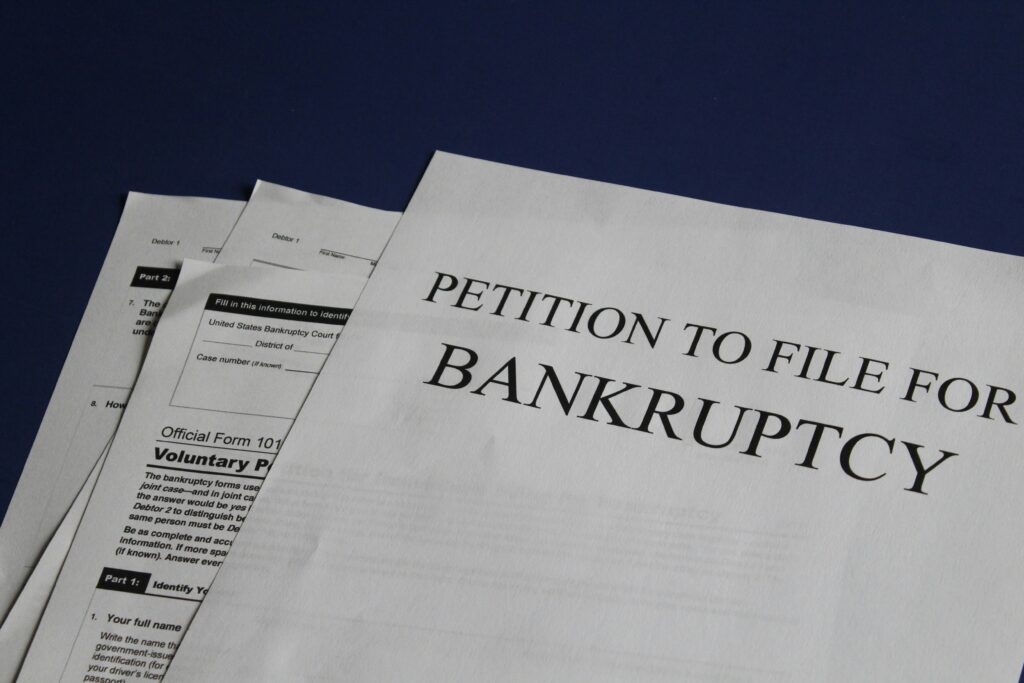
If you’ve filed bankruptcy and you’re trying to rent an apartment, you may be feeling anxious, discouraged, or embarrassed.
Many people ask:
- “Will I get denied because of my bankruptcy?”
- “Should I even apply?”
- “Do I have to tell the landlord?”
- “What can I do to improve my chances?”
The good news is:
Many people successfully rent apartments after bankruptcy — even shortly after discharge.
You just need to be prepared and know how to present yourself as a strong renter.
Here’s what to say, what to bring, and what to expect.
Can You Rent an Apartment After Bankruptcy?
Yes.
There is no law that says you must wait a certain number of months or years after bankruptcy before renting.
Some people get approved:
- during an active bankruptcy case
- within weeks of discharge
- within a few months of filing
The key is proving to the landlord that you are stable and able to pay rent now.
Why Bankruptcy Makes Renting More Challenging
Many landlords run credit checks. Bankruptcy may appear as:
- Chapter 7 discharge
- Chapter 13 repayment plan
- low credit score
- past due accounts
- charge-offs
Large apartment complexes often use automated screening systems that may reject applicants based on credit score alone.
Private landlords, however, are often more flexible.
What Landlords Really Care About
Even if your credit is damaged, most landlords focus on these things:
✅ Can you afford the rent?
Most landlords want your income to be at least 2.5 to 3 times the rent.
✅ Do you have stable employment?
Steady work history matters.
✅ Have you been evicted before?
Evictions are often worse than bankruptcy.
✅ Are you likely to pay on time?
Landlords want predictability and reliability.
What to Bring When Applying for an Apartment After Bankruptcy
Being prepared can make a huge difference.
Here are the documents you should have ready:
1. Proof of Income
Bring at least:
- your last 2–3 pay stubs
- proof of direct deposit
- employment offer letter (if new job)
- Social Security award letter (if applicable)
If you are self-employed, bring:
- bank statements showing deposits
- 1099 forms
- recent tax returns
2. Bank Statements
Landlords may want to see that you have money available.
Bring at least:
- 1–2 months of recent bank statements
Even if your credit is low, showing savings can help.
3. Proof of Bankruptcy Discharge (or Filing)
If you have completed bankruptcy, bring:
- a copy of your bankruptcy discharge order
This can actually help because it shows the bankruptcy is over and you are no longer burdened with the same debts.
4. Photo ID
Bring:
- driver’s license
- state ID
5. Rental History and References
If possible, bring:
- contact info for your prior landlord
- proof of on-time rent payments
- a written landlord reference letter
If you have a good rental history, that may outweigh a bankruptcy.
6. Utility Payment History
If you can show consistent payment history for utilities, that helps.
Some people bring:
- electric bill payment history
- gas bill payment history
- internet bill records
7. Proof of Insurance (Optional but Helpful)
Some landlords like to see responsibility and preparedness.
If you already have renter’s insurance or auto insurance, it can show stability.
How Much Money Should You Have Saved?
If you have bankruptcy on your record, it helps to have money ready upfront.
Landlords may require:
- first month’s rent
- security deposit
- last month’s rent (sometimes)
- pet deposits (if applicable)
If you can show you have funds available, you look like a lower risk tenant.
What to Say to a Landlord After Bankruptcy
This is the part that makes people nervous.
You don’t need a long explanation.
You want to sound confident, responsible, and forward-looking.
Here’s what you can say:
Simple, honest explanation
“I went through a bankruptcy, but it has been discharged and I’m in a much better financial position now. My income is stable and my rent will be my top priority.”
Focus on stability
“I filed bankruptcy to get a fresh start. I no longer have the same debt burden, and I’m now focused on paying everything on time.”
If your situation involved divorce or hardship
“My bankruptcy was related to a divorce/medical situation. That issue has been resolved, and my finances are now stable.”
Offer reassurance
“I understand why that may raise concerns, but I can provide proof of income and references.”
The goal is not to overshare — it’s to show the bankruptcy was a one-time event and you are reliable now.
What NOT to Say
Avoid statements that raise concerns, such as:
❌ “I don’t have any money right now but I’ll figure it out.”
❌ “I’m still catching up financially.”
❌ “I’m waiting on my refund to pay rent.”
❌ “I’m not sure if I’ll be working next month.”
Even if you’re being honest, landlords may interpret uncertainty as risk.
Should You Tell a Landlord About Bankruptcy Before They Run Credit?
In many cases, yes.
It may be better to be upfront rather than letting them discover it unexpectedly.
You don’t need to lead with it, but if you know a credit check is coming, it can help to say:
“I just want to let you know I had a bankruptcy, but it has been discharged and my finances are stable now.”
This shows honesty and maturity.
Should You Apply to Corporate Complexes or Private Landlords?
Private landlords are often easier after bankruptcy
Private landlords tend to look at the whole picture.
Corporate apartment complexes often use strict credit score cutoffs.
So if your credit score is still low, your best chance may be:
- small landlords
- duplexes or triplexes
- independent property owners
- private listings
Can You Offer a Higher Deposit?
Yes — and it often helps.
If allowed by state law, offering a larger deposit can ease the landlord’s concerns.
Some renters also offer:
- first and last month’s rent upfront
- additional month prepaid
- a guarantor (if possible)
What If You Keep Getting Denied?
If you keep getting denied, consider:
- applying to “second chance” apartments
- using a co-signer (if possible)
- offering proof of savings
- finding a roommate situation temporarily
- looking for rentals that do not require credit checks
Also, avoid applying too many times in a short period, since repeated credit inquiries can lower your score further.
How Long Will Bankruptcy Affect Renting?
A Chapter 7 bankruptcy can remain on your credit report for up to 10 years.
But the impact decreases over time.
Many landlords are most concerned about:
- the first 1–2 years after bankruptcy
- recent evictions or unpaid landlord debt
If you build positive payment history after discharge, your chances improve quickly.
The Bottom Line
If you’re trying to rent after bankruptcy, you can improve your chances by:
✅ bringing proof of income
✅ showing savings and stability
✅ providing references
✅ being honest but brief
✅ applying with private landlords
✅ offering higher deposits if possible
Bankruptcy may be on your record, but it does not define you.
Final Thought: Bankruptcy Was a Reset, Not a Life Sentence
Many people feel ashamed about bankruptcy.
But bankruptcy exists because life happens — divorce, job loss, medical bills, emergencies.
If you’re rebuilding and trying to find safe housing, keep going.
With preparation and the right approach, you can get approved.