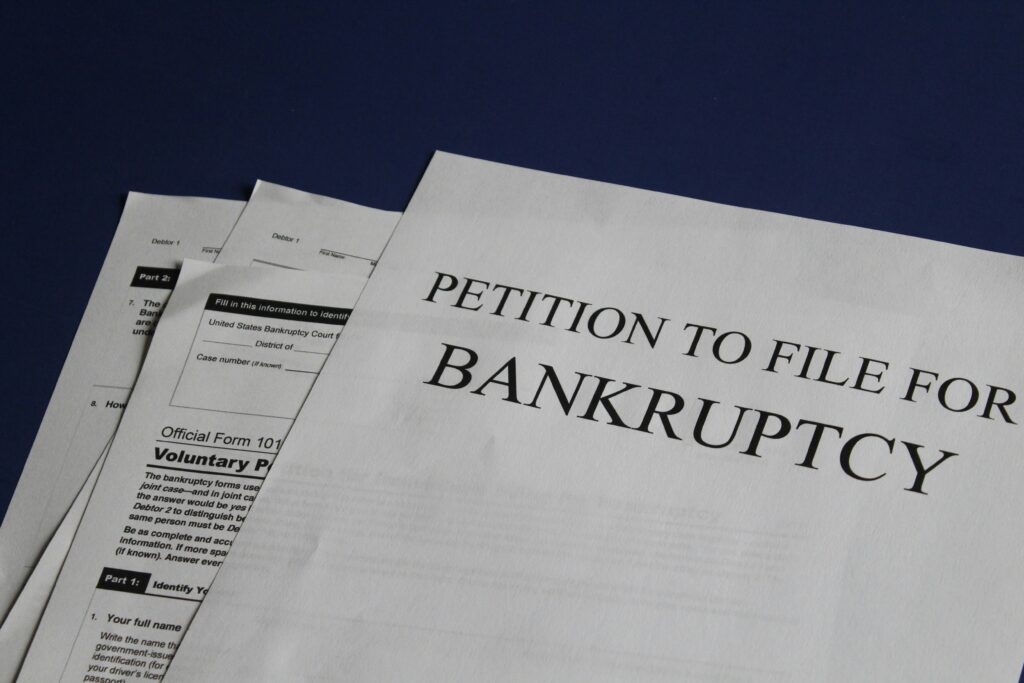
If you are considering filing bankruptcy and you’re expecting a tax refund (or already received one), you may be wondering:
“Can I spend my tax refund before bankruptcy?”
“Will the trustee take my refund?”
“What happens if I use it before I file?”
This is one of the most common questions people ask before filing Chapter 7 or Chapter 13.
And the answer is:
Yes, you can spend your tax refund before bankruptcy — but you must be careful how you spend it.
Let’s break down what you need to know.
Is a Tax Refund Considered an Asset in Bankruptcy?
In many cases, yes.
A tax refund is often treated as an asset because it is money you are entitled to receive.
If you file Chapter 7 bankruptcy while your refund is sitting in your bank account, the trustee may consider it property of the bankruptcy estate.
That means the trustee may be able to take some or all of it, depending on:
- how much the refund is
- what exemptions apply in your state
- how much money you have in the bank on the day you file
- whether the refund is protected by a wildcard exemption
- whether the refund includes child tax credits or earned income credits
Can the Trustee Take My Tax Refund?
Possibly.
If you file Chapter 7 and your refund is not fully exempt, the trustee may require you to turn it over.
Many people are surprised by this because they assume:
“It’s my money, so why would bankruptcy take it?”
But bankruptcy law is based on what you own (or are owed) at the time of filing.
So… Can I Spend It Before I File?
Yes — and many people do.
Spending your tax refund before filing bankruptcy is not automatically illegal or considered fraud.
However, the bankruptcy trustee may review how the money was spent.
That’s why spending must be reasonable and well documented.
What Is Considered “Safe” Spending Before Bankruptcy?
Generally, trustees are less concerned when a refund is spent on necessary living expenses such as:
✅ rent or mortgage payments
✅ utilities
✅ groceries
✅ car repairs
✅ medical or dental bills
✅ prescriptions
✅ childcare
✅ insurance
✅ replacing necessary household items
✅ paying bankruptcy attorney fees
✅ catching up on important secured debts (in some cases)
Using your refund for basic living expenses is usually seen as responsible and reasonable.
What Spending Can Cause Problems?
Spending your tax refund before bankruptcy can create issues if it looks like you wasted money or tried to avoid creditors.
Examples of spending that can raise red flags include:
❌ expensive vacations
❌ luxury shopping sprees
❌ designer handbags, jewelry, or high-end electronics
❌ gambling
❌ large cash withdrawals with no explanation
❌ giving money to friends or family
❌ paying back only one creditor while leaving others unpaid
❌ transferring money to someone else “to hold it”
Trustees may question spending that looks unnecessary or excessive.
Can I Use My Refund to Pay Down Debt Before Bankruptcy?
This depends.
Paying debt right before bankruptcy may create problems because bankruptcy law prohibits “preferential payments.”
For example, if you use your refund to pay off one credit card but leave other creditors unpaid, the trustee may consider that unfair.
Also, paying back a family member is especially risky because trustees can look back longer on “insider” payments.
Always speak with an attorney before using your refund to pay off debts.
Should I Keep the Refund in My Bank Account?
If you are filing Chapter 7 soon, keeping a large tax refund in your bank account can be risky.
Your bank balance on the day you file is usually reported in the bankruptcy paperwork, and trustees often request bank statements.
If the refund is sitting there and not exempt, the trustee may demand it.
That’s why planning matters.
What About Chapter 13?
Chapter 13 is different.
In Chapter 13 bankruptcy, you are in a repayment plan.
Tax refunds may be treated differently depending on your plan and trustee requirements.
Some Chapter 13 trustees require you to turn over tax refunds during the plan period.
Others allow you to keep them, especially if your plan already pays creditors a certain amount.
So in Chapter 13 cases, your refund may still matter — but the rules vary.
How Far Back Will the Trustee Look?
In Chapter 7, trustees commonly review your bank statements and financial transactions for the months leading up to filing.
Many trustees request:
- 3 months of bank statements
- sometimes 6 months or more
- proof of how major funds were used
So even if you spend your refund before filing, expect that the trustee may still see it.
That is why honesty and documentation are key.
Should I Save Receipts?
Yes — absolutely.
If you spend your refund before filing bankruptcy, keep records such as:
- receipts
- invoices
- bank statements
- repair bills
- medical bills
- proof of rent payments
Documentation can prevent delays and make your bankruptcy smoother.
The Bottom Line
Can you spend your tax refund before bankruptcy?
✅ Yes.
Should you spend it carefully?
✅ Yes.
Can the trustee take it if it’s in your account when you file?
⚠️ Possibly.
Should you use it for necessary expenses and keep proof?
✅ Absolutely.
Final Thought: Timing Matters More Than People Realize
A tax refund can be a major asset in bankruptcy.
Filing too soon could result in the trustee taking the refund.
Spending it irresponsibly could create trustee scrutiny.
The safest approach is to plan your bankruptcy filing date with an attorney so you can use your refund appropriately and file at the right time.
Need Help Planning Your Bankruptcy Filing?
If you are expecting a tax refund and considering bankruptcy, contact our office. We can help you understand how refunds are treated and how to file strategically so you protect yourself and avoid unnecessary trustee issues.
Bankruptcy should bring relief — not surprises.