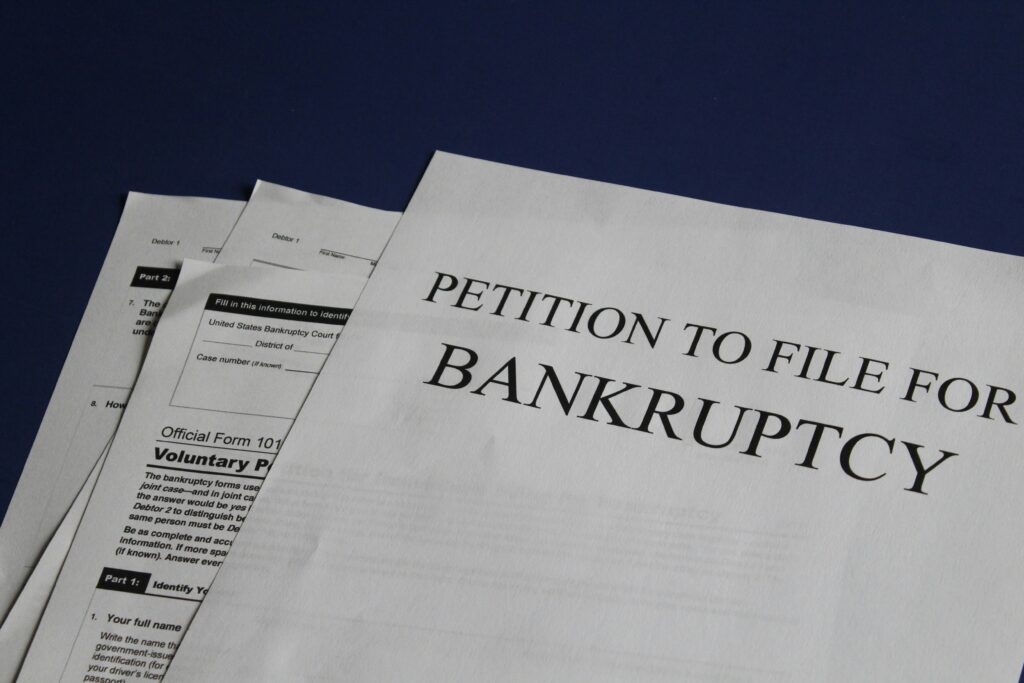
For many people, the word bankruptcy feels heavy. It brings up fear, embarrassment, and the idea that something went “wrong.” But in reality, bankruptcy is not a moral judgment — it’s a federal legal tool designed to give people relief when debt has become unmanageable.
If you’re drowning financially, bankruptcy may not be the end of the road. It may be the beginning of a stable, structured path forward.
Why People End Up Considering Bankruptcy
Most people don’t run up debt because they’re irresponsible. They end up there because life happens:
- A job loss or reduction in income
- Medical bills (even with insurance)
- Divorce or separation
- Inflation and rising cost of living
- A business slowdown
- Unexpected emergencies
- Predatory lending or high-interest credit products
Debt becomes impossible when minimum payments stop making progress, and interest keeps you stuck in place.
If that sounds familiar, you’re not alone — and you’re not out of options.
What Bankruptcy Actually Does
At its core, bankruptcy is about one thing: protection.
The moment a bankruptcy case is filed, something called the automatic stay goes into effect. This is one of the most powerful parts of bankruptcy law.
It can stop:
- Debt collection calls
- Lawsuits
- Wage garnishments
- Bank levies
- Foreclosure actions (in many cases)
- Repossession efforts (depending on timing)
It gives you breathing room — and for many people, that alone is life-changing.
Chapter 7 vs. Chapter 13: What’s the Difference?
Most consumer bankruptcy cases fall into two categories.
Chapter 7 (The “Fresh Start” Bankruptcy)
Chapter 7 is designed to eliminate unsecured debt such as:
- credit cards
- personal loans
- medical bills
- old utility bills
- many judgments
It’s often the fastest type of bankruptcy — typically lasting a few months.
This is the chapter people usually mean when they say “wipe out debt.”
Chapter 13 (The “Repayment Plan” Bankruptcy)
Chapter 13 is a structured plan — usually 3 to 5 years — where you repay some portion of your debt based on income and household expenses.
It’s commonly used when someone:
- is behind on mortgage payments
- wants to stop foreclosure
- has higher income
- owes certain taxes
- has assets they want to protect
Chapter 13 can be incredibly powerful because it creates a court-approved plan and forces creditors to follow it.
What Bankruptcy Does NOT Fix
Bankruptcy is strong — but it’s not magic. Certain debts may not be discharged, including:
- most student loans (with limited exceptions)
- domestic support obligations (child support/alimony)
- many recent tax debts
- some court fines and criminal restitution
But even when some debts remain, bankruptcy can still help by eliminating everything else so you can actually afford what’s left.
The Biggest Myth: “Bankruptcy Will Destroy My Credit Forever”
This one stops people from getting help.
Yes — bankruptcy impacts credit. But so does:
- maxed-out credit cards
- late payments
- charge-offs
- collections
- judgments
- garnishments
In many cases, people considering bankruptcy already have credit damage happening every month.
The difference is bankruptcy stops the bleeding and gives you the chance to rebuild. Many people begin receiving credit offers shortly after discharge (not always a good idea — but it happens).
The real question is not “Will bankruptcy affect my credit?”
It’s: Is your current debt situation sustainable?
Signs Bankruptcy Might Be the Right Option
Bankruptcy isn’t for everyone — but if you’re seeing these signs, it may be time to speak with an attorney:
- You’re using credit cards to pay for necessities
- You’re skipping bills to pay other bills
- You can’t keep up with minimum payments
- You’re afraid to answer the phone
- You’ve been sued (or expect to be sued)
- Your wages are being garnished
- Your bank account has been frozen
- You’re considering payday loans or cash advances just to survive
These are not “personal failures.” They are red flags that the debt is no longer manageable.
The Truth About Bankruptcy: It’s a Strategy
Bankruptcy isn’t something to be ashamed of. It’s a legal financial strategy, and it exists because Congress recognized that people need a way out.
Debt shouldn’t keep you trapped forever.
It shouldn’t take away your sleep, your health, or your peace.
If bankruptcy is what allows you to protect your paycheck, keep your home, or stop constant harassment — then it may be the most responsible decision you can make.
Final Thought
If you’re thinking about bankruptcy, don’t rely on internet myths or fear-based advice. A quick consultation can help you understand:
- what chapter you qualify for
- what debts can be eliminated
- what happens to your home and car
- whether there are alternatives worth trying first
Relief is possible — and you don’t have to go through it alone.