Unwanted robocalls and spam texts aren’t just annoying—they can be relentless. Many consumers want them to stop, but they’re not sure what matters legally or what they should be saving.
The good news: you don’t need to be a tech expert to document robocalls and texts in a way that helps a potential Telephone Consumer Protection Act (TCPA) claim. You just need a consistent system.
What kinds of calls/texts raise TCPA concerns?
Every situation is different, but common consumer complaints include:
- Repeated calls using an automated or prerecorded voice
- Marketing texts you didn’t ask for
- Calls after you asked the caller to stop
- Calls to a cell phone number you didn’t provide (or no longer use)
- Calls intended for someone else that keep coming
Important: TCPA rules can be technical, and exceptions may apply. Documentation helps an attorney evaluate the facts.
The biggest mistake: not tracking the pattern
Many people delete messages or ignore calls—and months later, they can’t reconstruct what happened.
Instead, start a simple log.
Your TCPA documentation checklist
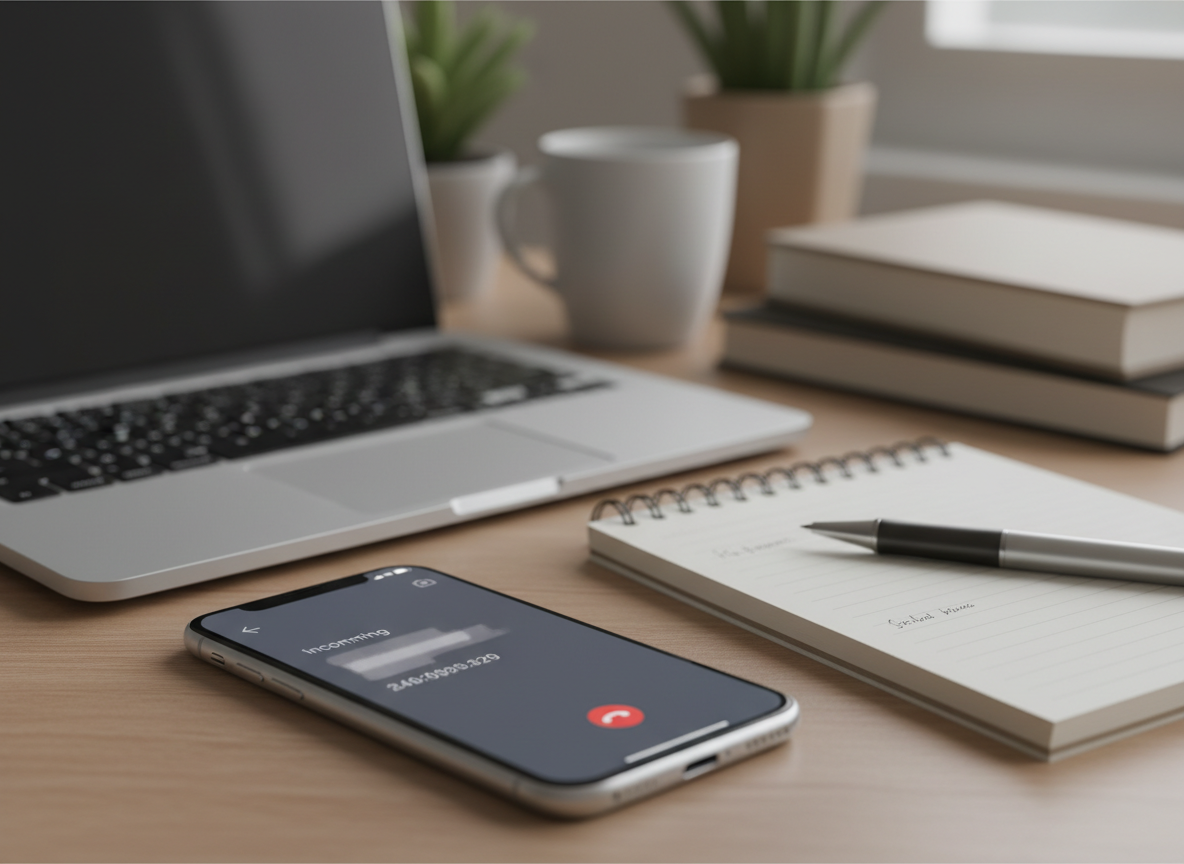
1) Save screenshots (texts and call history)
- Screenshot spam texts (including the phone number and date/time)
- Screenshot your call log showing repeated calls
- If your phone allows it, capture the “details” view for each call
Tip: Create an album on your phone called “Spam Evidence.”
2) Keep the actual messages (don’t just screenshot)
If possible:
- Don’t delete the text thread
- Don’t block the number until you’ve captured evidence (you can block later)
3) Write down what you did to revoke consent
If you replied “STOP,” document:
- The date/time you replied
- Whether you received a confirmation message
- Whether messages continued afterward
If you told a caller verbally to stop, write a note right away:
- Date/time
- What you said
- What the caller said
4) Track how the caller got your number
This is often overlooked. Make a list of:
- Businesses you recently contacted
- Online forms you filled out
- Purchases or service inquiries
- Any lead sites you used
If you have an email confirmation or screenshot of a web form submission, save it.
5) Save voicemails
If you receive prerecorded voicemails:
- Save them
- Note the date/time
- If your phone allows, export/share the voicemail file
6) Don’t “test” the caller by engaging too much
It’s tempting to argue or click links. Avoid:
- Clicking links in spam texts
- Providing personal information
- Downloading attachments
Focus on documentation and safety.
A simple call/text log template
You can keep this in Notes, a spreadsheet, or a notebook:
- Date
- Time
- Number (or “Unknown”)
- Call or text
- What happened (e.g., “prerecorded message about warranty”)
- Your response (e.g., “replied STOP,” “told them to stop”)
What to do if the calls are about debt
If the calls relate to debt collection, there may be other laws involved as well. The best approach is still the same: document, save, and get advice before you engage.
If you’re getting repeated robocalls or spam texts and want to know whether your situation may qualify for a TCPA claim, Ginsburg Law Group, PC can review your call/text history and help you understand your options. Contact us for a free case evaluation—and if you can, send screenshots and a basic log so we can assess the pattern quickly.